Hillary Muhalya examines the government’s contingency plans to keep the 2026 KCSE examinations on schedule despite anticipated El Niño rains.
The Ministry is mapping vulnerable examination centres and considering alternative locations, air transport and drones where roads become impassable.
Boarding schools are also being advised to stock adequate food supplies ahead of possible weather-related disruptions.
The 2026 Kenya Certificate of Secondary Education (KCSE) examinations will proceed as scheduled despite concerns that the anticipated El Niño rains could cause flooding, disrupt transport and make some examination centres difficult to access.
The Ministry of Education (MoE) has ruled out postponing or delaying the national examinations, maintaining that candidates across the country must sit their papers according to the national examination timetable.
The clarification comes as Kenya prepares for the October-December 2026 rainfall season, with meteorological forecasts warning of potentially heavy rains in several parts of the country.
The government’s position is that adverse weather will be addressed through contingency measures rather than by moving the national examination dates.
No postponement despite heavy rains
A Ministry official said national examinations cannot be postponed simply because some parts of the country experience severe weather.
The examinations are administered nationally, meaning candidates are expected to sit the same papers at the same time.
This arrangement is critical in protecting the security and integrity of examination papers and ensuring that candidates are subjected to the same conditions as far as practically possible.
The message to candidates is therefore clear: there should be no assumption that KCSE will be postponed because of El Niño.
Instead, schools and candidates in areas vulnerable to flooding are expected to prepare for possible logistical changes.
The Ministry made the clarification during the 13th National Climate Outlook Forum in Nairobi on Wednesday, August 26. Dr Kanyi Gioko, the Ministry’s Director of Administration, said the national examinations “cannot be postponed” or delayed because candidates must take papers simultaneously countrywide.
Government identifies vulnerable examination centres
The Ministry says it has already begun mapping areas that could experience serious disruption during the examination period.
Officials are expected to identify examination centres that could become inaccessible because of flooded roads, damaged bridges or other weather-related emergencies.
Where necessary, alternative examination locations can be identified and prepared before the situation becomes critical.
This approach is designed to ensure that candidates do not miss examinations simply because their usual examination centre becomes inaccessible.
For communities in flood-prone areas, the contingency planning could prove crucial.
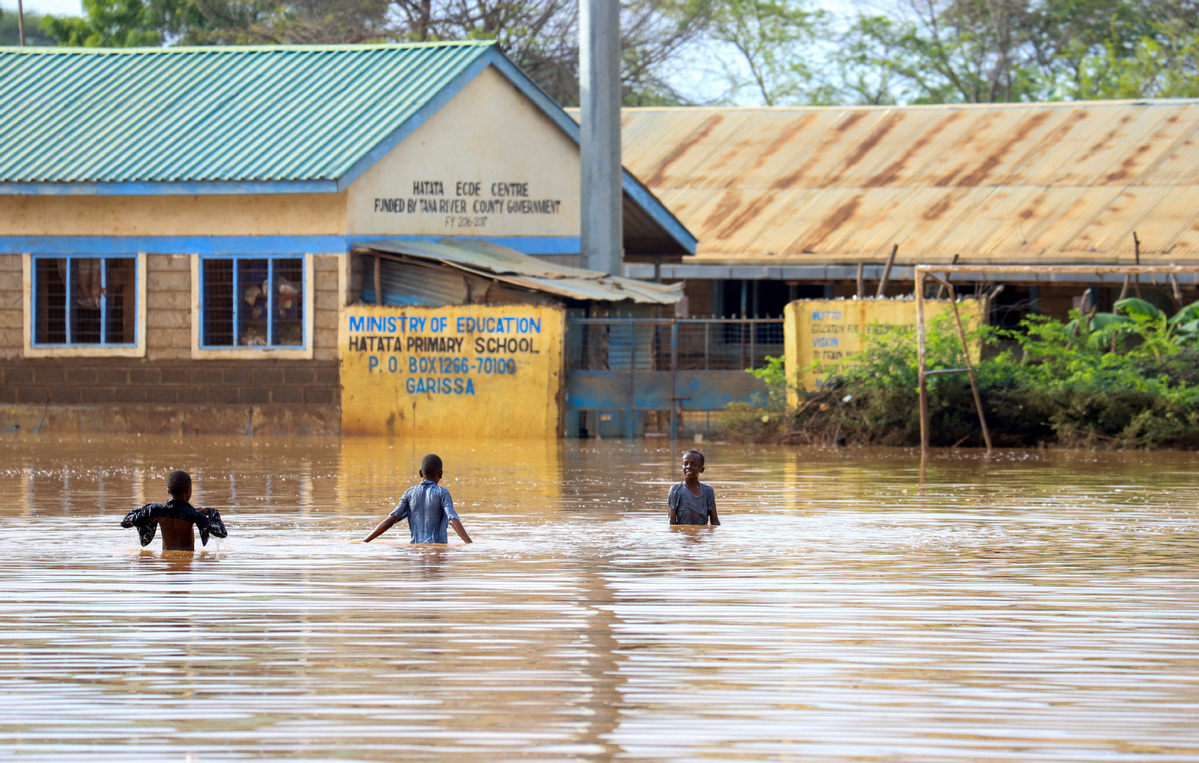
A single washed-away bridge or flooded road can isolate schools and villages, making ordinary transportation impossible.
Rather than waiting until such emergencies occur, authorities are seeking to anticipate the most vulnerable areas and establish alternative arrangements.
Air transport and drones set to join the battle
One of the most striking measures announced by the Ministry is the planned use of air transport to deliver examination materials where roads become impassable.
Officials also indicated that drones will be deployed as an additional innovation during this year’s examination logistics.
The move could provide an important alternative in remote areas cut off by floods or damaged infrastructure.
However, the deployment of such technology will require careful coordination, security and strict adherence to examination protocols to ensure that the confidentiality of examination materials is maintained.
The Kenya National Examinations Council and other agencies will therefore have a major role in ensuring that logistical innovation does not compromise examination security.
Boarding schools face food supply risk
The weather threat does not end with examination papers.
The Ministry is also concerned about the possibility of food supplies being disrupted in boarding schools.
Heavy rains can make roads impassable, preventing suppliers from delivering food and other essential commodities.
This could put additional pressure on schools during the examination period because candidates will need uninterrupted meals while sitting their papers.
Boarding schools have therefore been advised to stock adequate food supplies before the rains intensify.
The instruction is particularly important because candidates preparing and sitting national examinations require stable routines, adequate nutrition and a conducive environment.
A disruption in food supplies could create unnecessary stress at precisely the time learners need maximum concentration.
Why El Niño has triggered anxiety
The concerns follow forecasts of enhanced rainfall during the October-December season.
The anticipated rains could bring flooding, landslides, damaged roads and disruption of essential services in vulnerable areas.
For the education sector, the risks are particularly significant because the examination period coincides with the rainy season.
Thousands of candidates will need to travel to examination centres, while examination materials must be transported securely across the country.
The challenge is therefore not simply about whether schools will remain open.
It is about whether the entire examination chain — from transportation and security to food supplies and candidate access — will remain functional.
Candidates should not wait for a postponement
The Ministry’s announcement sends an important message to candidates and parents: continue preparing as though the examinations will take place as scheduled.
Candidates should not allow rumours circulating on social media to interfere with their revision.
Parents should equally rely on official communication from schools and education authorities rather than unverified claims about examination postponement.
Students who live in areas vulnerable to flooding may also need to discuss transport and access arrangements with their schools well before the examination period.
The possibility of an alternative examination centre should be viewed as a contingency measure — not as a cancellation or postponement of the examination.
Schools must prepare early
School administrators also have an important responsibility.
Schools should review their emergency plans, assess potential risks around roads and bridges, and establish reliable communication channels with parents and candidates.
Boarding schools should ensure adequate food reserves.
Schools located in areas prone to flooding should work closely with education officials to understand what would happen if their normal examination centres became inaccessible.
Early preparation could make the difference between a manageable disruption and a major crisis.
A test of Kenya’s examination machinery
The 2026 KCSE could ultimately become a test of Kenya’s ability to conduct national examinations under extreme weather conditions.
The government has ruled out changing the examination calendar, meaning the focus has shifted to ensuring that the examination machinery remains operational regardless of what happens on the ground.
The proposed use of alternative centres, air transport and drones demonstrates an attempt to prepare for different scenarios.
But the effectiveness of these measures will ultimately depend on implementation.
The government will need to coordinate closely with the Kenya National Examinations Council, security agencies, county governments, schools, transport operators and local administrators.
KNEC’s published timetable confirms that the 2026 KCSE examination remains scheduled, while the official academic calendar places the examination period from November 2 to November 20, 2026.
The message to candidates is simple
The anticipated El Niño rains may create serious challenges, but they are not expected to derail the 2026 KCSE examinations.
Candidates should therefore remain focused on revision.
Parents should prepare for possible transport challenges.
Schools should strengthen their emergency plans and food reserves.
And education officials will have to ensure that examination materials reach their destinations securely and that every candidate has a fair opportunity to sit the papers.
The weather may be unpredictable, but the examination timetable remains firm.
KCSE 2026 is not being postponed because of El Niño.
READ ALSO: How Form Four candidates can assess their preparedness for KCSE Exams
The government is instead preparing to take the examinations to the candidates — even if the rains make the journey considerably harder.
By Hillary Muhalya
Get more stories from our website: Education News
To write to us or offer feedback, you can reach us at: editor@educationnews.co.ke
You can also follow our social media pages on Twitter: Education News KE and Facebook: Education News Newspaper for timely updates.
>>> Click here to stay up-to-date with trending regional stories