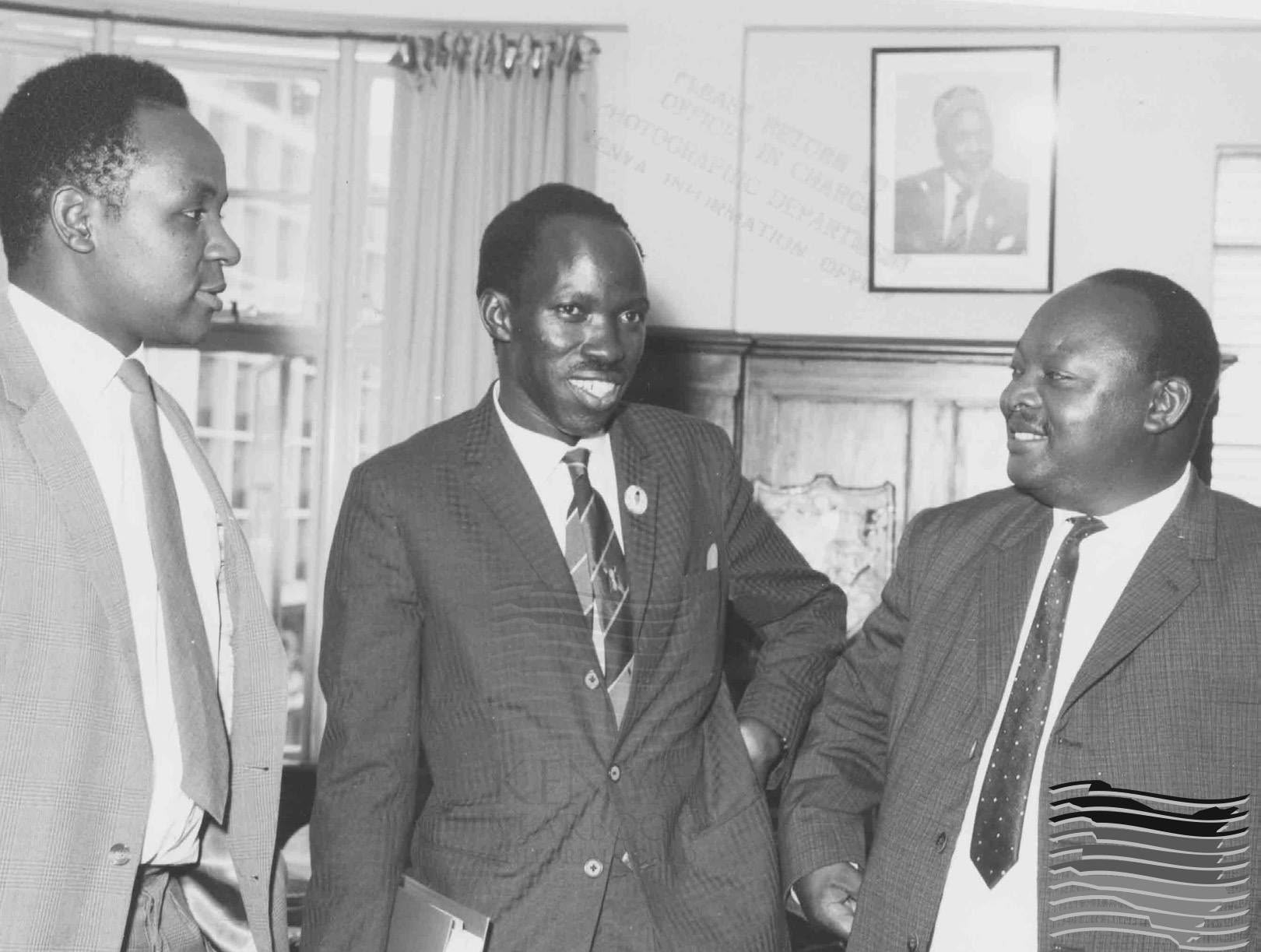
- The Ominde Commission shaped Kenya’s post-independence education system through reforms addressing racial integration, language policy and curriculum relevance.
- The commission proposed the 7-4-2-3 education structure and improvements in teacher training and deployment to address access disparities.
- Its recommendations have continued to influence Kenya’s education planning, curriculum development and national identity-building decades after independence.
The Ominde Commission, established in 1964, played a significant role in shaping Kenya’s education system following independence, laying the foundation for reforms aimed at promoting national unity, economic development and a common national identity.
The commission was formed to review the education system inherited from the colonial government and recommend changes that would address the needs and aspirations of the newly independent country.
One of its key recommendations was the elimination of racial segregation in schools. The commission advocated for an integrated education system in which Kenyan children could learn together regardless of their racial or social background.
The commission also recommended greater use of English and Kiswahili in education. Kiswahili was recognised for its potential to promote national cohesion and communication among Kenyans, while English remained an important language of instruction and administration.
ALSO READ:
KESSHA urges parliament to guarantee funding for education reforms
Teacher training and deployment were also identified as important areas requiring attention. The commission called for improvements in teacher preparation and a more effective distribution of teachers to help address disparities in access to quality education across the country.
Another major recommendation was the development of a curriculum that reflected Kenya’s own social, cultural and economic circumstances. The commission sought to move the education system away from the colonial model and make it more relevant to the country’s development priorities.
The Ominde Report also proposed the 7-4-2-3 education structure, comprising seven years of primary education, four years of secondary education, two years of high school and three years of university.
The recommendations marked an important shift in Kenya’s education policy, with education increasingly viewed as a tool for nation-building and economic development.
ALSO READ: Court orders TSC to remit JSS Agency Fees to KUPPET amid KNUT dispute
The report subsequently became a major reference point in the development of Kenya’s post-independence education system, influencing curriculum development, teacher management, school integration and national education planning.
Its legacy remains significant in understanding the historical development of education policy in Kenya and the country’s efforts to build an education system suited to its national priorities.
By Jeff Kirui
Get more stories from our website: Education News
To write to us or offer feedback, you can reach us at: editor@educationnews.co.ke
You can also follow our social media pages on Twitter: Education News KE and Facebook: Education News Newspaper for timely updates.
>> Click here to stay up-to-date with trending regional stories