






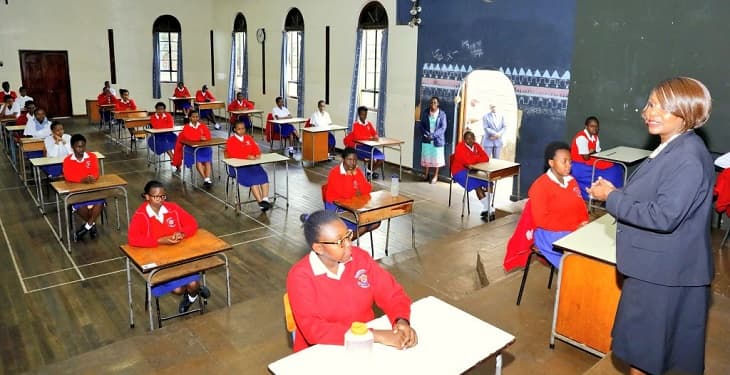
- Educationist Victor Ochieng’ urges Form Four candidates to embrace self-assessment as they prepare for KCSE examinations.
- He argues that effective preparation requires content mastery, exam skills, discipline and continuous improvement.
- The article encourages learners to identify weaknesses early and adopt deliberate strategies to maximise performance.
Dear reader, when I sat to ideate and write to Form Four candidates about the essence of self-reflection and examination, I decided to dig deep into The Golden Verses of Pythagoras. They are collation and collection of moral and spiritual teachings attributed to the faithful followers of the great Greek Mathematician, Pythagoras, whom most of us remember as the proponent of Pythagoras Theorem. For risibility reasons. Just in jest. Just as a joke. While we were growing up at Yala, in Gem of Siaya, we tried to joke about Pythagoras Theorem in Dholou as “paro thago nyathi ong’er”. Back to basics, Pythagoras Theorem is a universal rule used in right-angle-triangles: the square of the hypotenuse equals the sum of the square of the other two sides.
Ostensibly, modern scholars generally believe that The Golden Verses of Pythagoras were penned long after Pythagoras travelled to that land that both William Shakespeare and Mark Twain (Samuel Clemens) aptly described as the distant land that no traveler returns. So, the valuable verses carefully-captures the key ideas and ideals of Pythagorean Tradition of self-discipline, virtue, harmony and purification of the soul. Withal, great thinkers such as the charioteer Hierocles Elagabalus wrote comprehensive commentaries on The Golden Verses of Pythagoras.
Actually, in the Golden Verses of Pythagoras, mere mortals like you and I, are instructed to review their day every evening through self-assessment questions such as: What have I done wrong? What have I done right? What duty have I left undone? For by asking yourself such quality questions, you identify faults, reinforce virtue and align yourself to the famous Japanese Kaizen Principles. More so, The Principle of Continuous Improvement. The bottom line is, while in bed, never allow deep sleep to close your mortal eyes without examining your actions of the day.
Therefore, in that regard, Form Four candidates conscious of climes and times audit themselves through in-depth introspection and soul-search. Somehow, Form Four candidates can pause and pose self-assessment questions to assist them prepare adequately for KCSE. I can say in this essay, proper analysis of 2019 KCSE established that content tested was 25% distributed across all forms (1-4). So, for the sake of content mastery, every Form Four candidate should interject questions related to reading, revision, review and repetition: Have I read Form 1-4 notes? Have I attempted more than 10 Paper 1-3 past papers? Have I also tried to go through KCSE past papers to have an idea of how final exams look like? Have I corrected all the mistakes I made in the previous exams?
Advisedly, for the sake of proficiency and profundity in Languages — English and Kiswahili — a focused Form Four candidate should pause and ask: Have I read KCSE set books as advised by subject experts and examiners? Have I read the passages in approved course books to help me hone my reading and comprehension skills? Those taking CRE and IRE, should also ask: Have I read portions of the sacred scriptures complementing content of those subjects?
Again, on content mastery, every Form Four candidate must remain awake and aware by asking themselves these questions: Have I pored over Form 1-4 files? Have I responded to end of topic questions in approved text books? Have I put affirmative action in subjects I am registering poor performance?
Additionally, while preparing for KCSE, there is the art of exams. For the sake of self-assessment, every Form Four candidate should pause and ask: Have I mastered the art of exams in Paper 1-3? Have I implemented all raft of recommendations made by subject experts and examiners? Have I mastered the Table of Specification (ToS) in every subject? Ideally, the art of exams encompasses: Exam terminologies, format, trends, skills, depth, test blueprint, presentation, integrity, et cetera.
Moreover, while preparing for KCSE, a conscious candidate can pause and ask: Have I sealed cracks and crevices related to learning. The learning gaps, may include: Gaps in content mastery, gaps in correct interpretation of questions, gaps in trends in setting and marking of KCSE, gaps in exam presentation, gaps in mastery of Form 1 and 2 content, gaps in morale and motivation, gaps in character, discipline and diligence.
By the same token, Form Four candidates assess their preparedness for KCSE when the abilities on the extreme ends pause and ask: Have I put in place strategies for top achievers? Have I put in place strategies for struggling students? For top achievers to score more, they should focus on straight A’s, join academic villages, engage in peer teaching, try self-evaluation or individual exams, consult more, avoid stupid pride, dodge tenacious traps of comfort and complacency, work on Kaizen Principle of Continuous Improvement and fill learning gaps.
Likewise, struggling students prop themselves up by pairing up with top achievers, re-visiting Form 1 and 2 work, identifying simple areas to score free marks, consulting more, taking extra lessons seriously and never choosing to give up. Form Four candidates gauge their preparedness for KCSE by asking the question: Have I expanded my learning time? This underscores the essence of paying the price and sacrifice. For no price, no prize. Then, it underpins the essence of going the extra mile. For Napoleon Hill writes, the pot of gold is always found where the rainbow ends.
READ ALSO: Teacher grading reforms must deliver more than new titles to uphold professional dignity
Finally, Form Four candidates expand learning time by sitting for long listening to useful talks. Sometimes, they retire to bed late, but wake up early. They manage and mitigate tension that tightens in form of stress. They shorten breaks, lunches and supper time. They sacrifice non-academic programmes. They arrest thieves of time such as procrastination, complacency, gossip, laziness, lassitude, hebetude and attitude of finitude.
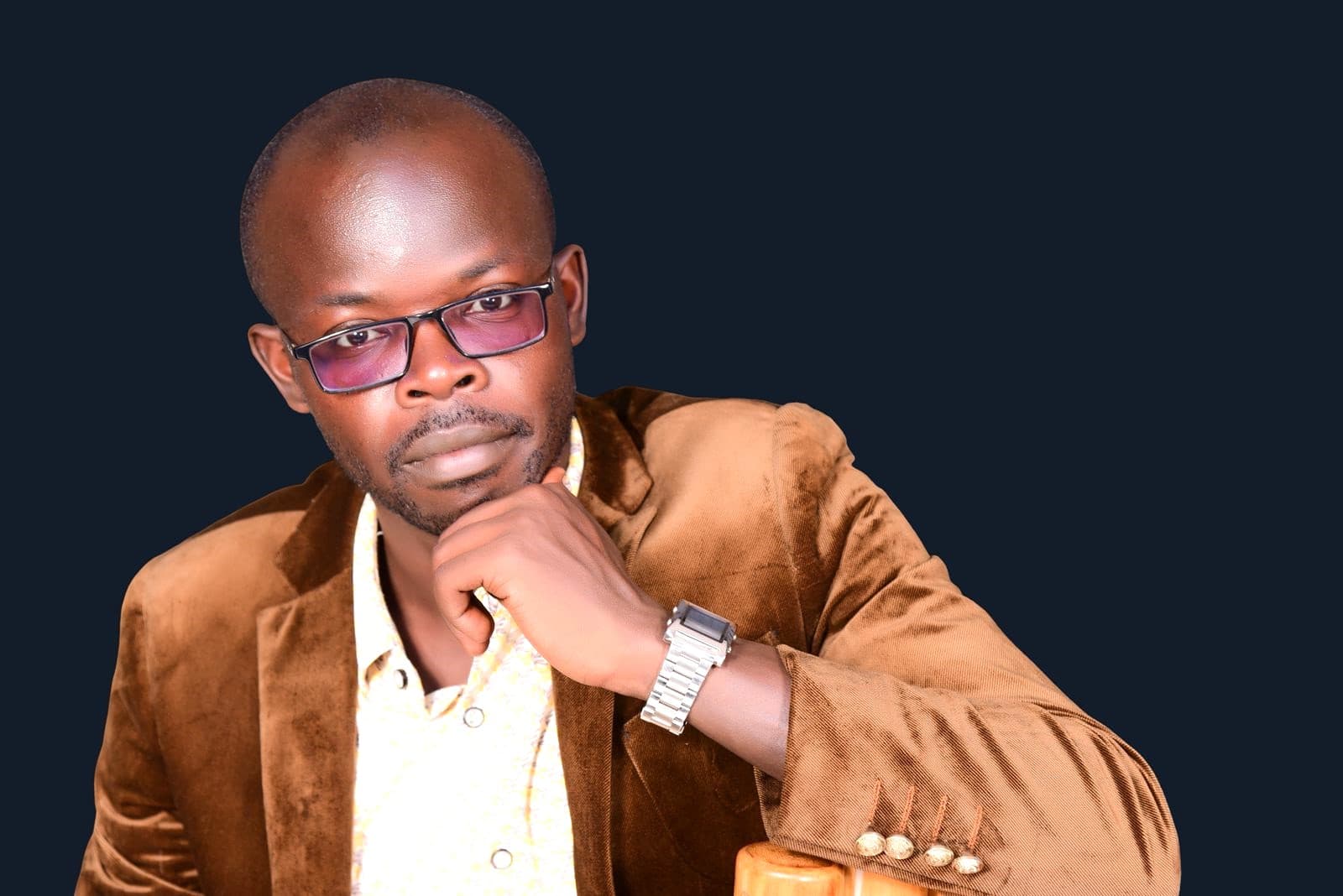
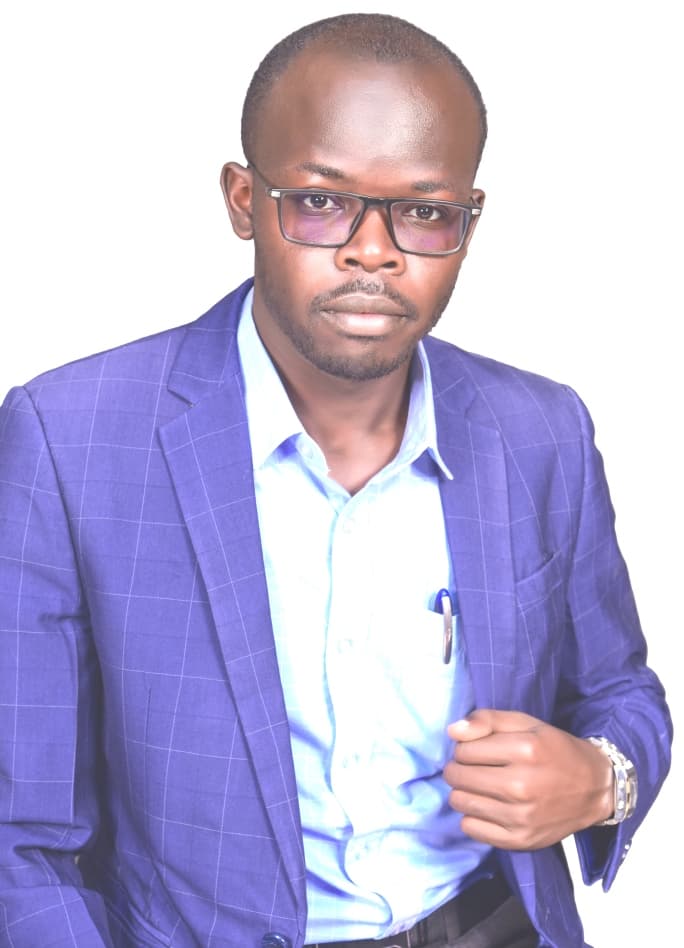
By Victor Ochieng’
Victor Ochieng’ rolls out talks and training services in schools. He speaks to Form 4 candidates on Top Study Tips, Revision Techniques and Exam-Preparation Strategies. vochieng.90@gmail.com. 0704420232
You can also follow our social media pages on Twitter: Education News KE and Facebook: Education News Newspaper for timely updates.
>>> Click here to stay up-to-date with trending regional stories
>>> Click here to read more informed opinions on the country’s education landscape


Reader Discussion (0)
Sign in to comment