



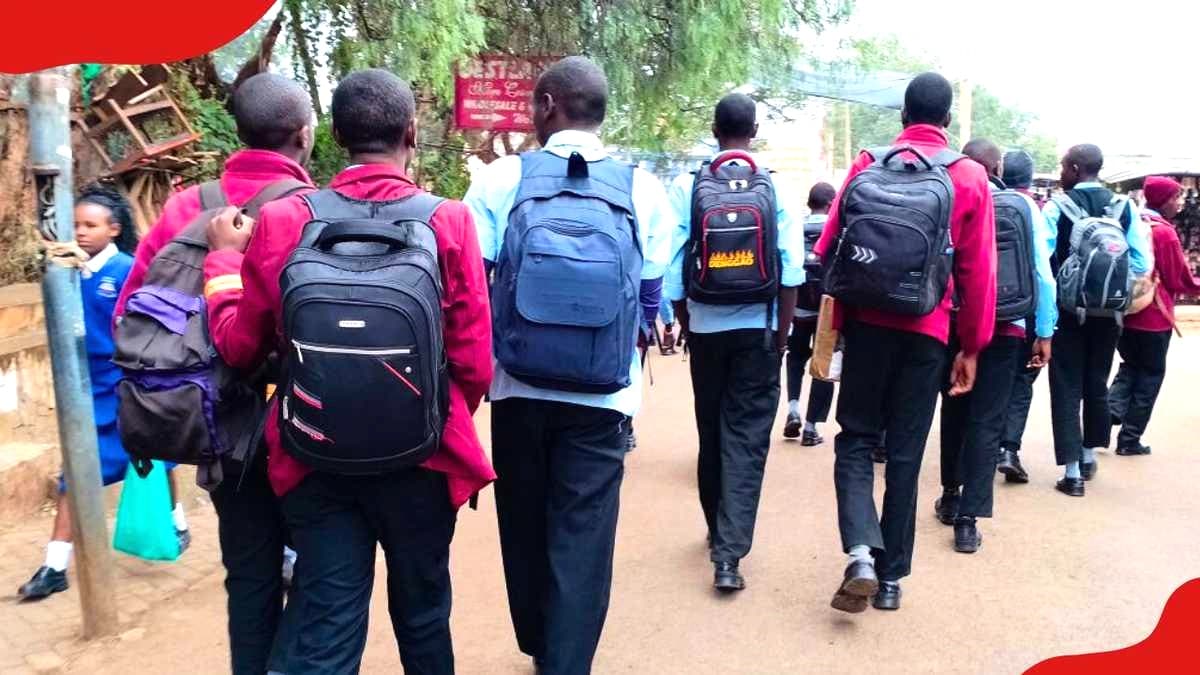


The Higher Education Loans Board (HELB) is facing a funding crisis after revealing that unpaid student loans have climbed to KSh46 billion, with more than 380,000 graduates yet to begin repayment.
The agency says the mounting defaults are undermining its ability to support new learners entering universities and TVET institutions.
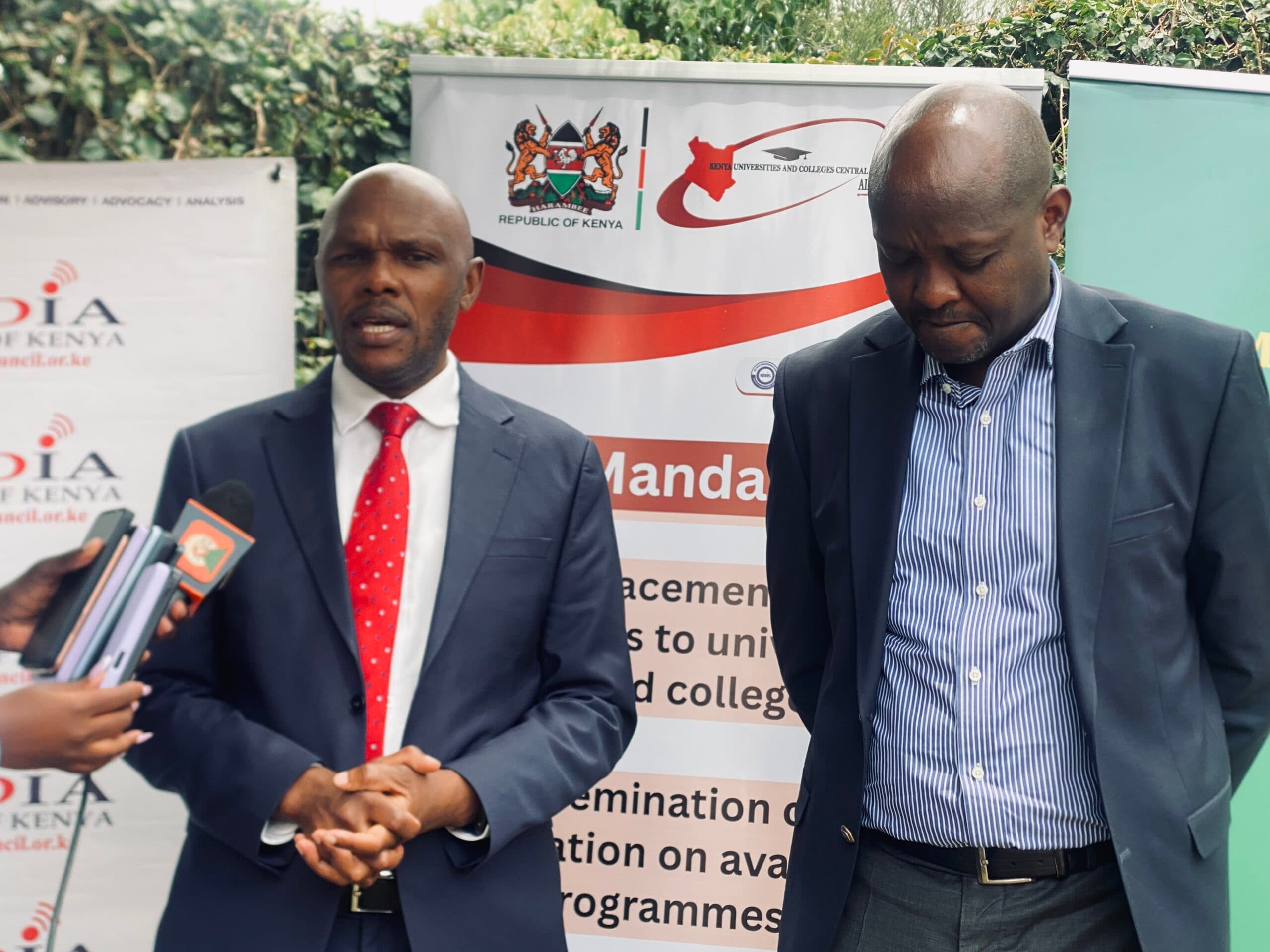
Helb Chief Executive Officer Geoffrey Monari said the board is constrained by law from taking punitive action against defaulters, noting that student loans are treated as civil debts. As a result, the agency relies on softer enforcement tools such as public appeals, credit bureau listings and private debt collectors.
“We have 380,000 students who are not repaying, holding KSh46 billion. We cannot arrest them; the law does not allow us. Our loan is a civil issue, not criminal,” Monari said.
ALSO READ:
https://educationnews.co.ke/teachers-reject-further-pay-deductions-as-president-ruto-unveils-sh5-trillion-singapore-style-economic-transformation-plan/
For nearly 30 years, Helb has struggled to ensure graduates serve their loans. Unlike criminal cases involving fraud or theft, the board cannot use police powers to recover funds, leaving it dependent on cooperation from borrowers.
Monari said the agency also cannot publish names of defaulters due to data protection laws, further limiting its enforcement options.
Many former students argue that Kenya’s tough job market makes repayment difficult, with thousands unable to secure stable employment after graduation. Critics say the economic strain has made it unrealistic for many borrowers to meet monthly instalments, even as Helb seeks funds to support new cohorts.
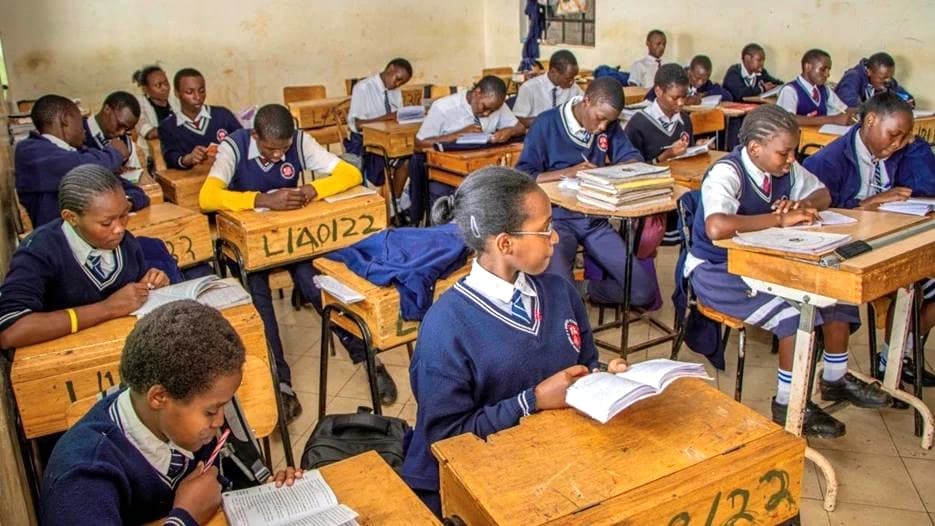
Since its establishment in 1995, Helb has financed more than 650,000 university and TVET students with over KSh30 billion in tuition and upkeep loans. Monari said the support has been critical in maintaining stability in higher learning institutions.
ALSO READ:
https://educationnews.co.ke/cbc-retention-concerns-deepen-as-over-150000-learners-fail-to-transition-to-grade-9/
Currently, the student‑centred model considers household income, programme costs and financial need. Under the system, HELB issues loans while the Universities Fund provides scholarships. First‑year students have access to both, following reforms introduced by President William Ruto in 2023 to stabilize universities burdened by debts exceeding KSh60 billion.
Recently, HELB has directed private companies to begin deducting repayments directly from the salaries of defaulters through an online portal, with remittances due by the 15th of every month. Officials say the move is anchored in the Helb Act of 1995, which empowers the board to pursue legal recovery measures. The agency said automatic deductions will apply to formally employed borrowers, while others may continue paying through M‑Pesa or bank channels.
By Masaki Enock
You can also follow our social media pages on Twitter: Education News KE and Facebook: Education News Newspaper for timely updates.
>>> Click here to stay up-to-date with trending regional stories
>>> Click here to read more informed opinions on the country’s education landscape
>>> Click here to stay ahead with the latest national news.

Reader Discussion (0)
Sign in to comment