-
The Ministry of Education has directed all public schools to adopt green energy under a nationwide solarisation programme financed through loans from KCB Bank.
-
The initiative aims to cut school energy costs, reduce reliance on biomass and fossil fuels, and support Kenya’s climate action goals.
-
Schools will install approved clean energy systems and repay the loans through savings and education infrastructure funds over a maximum of five years.
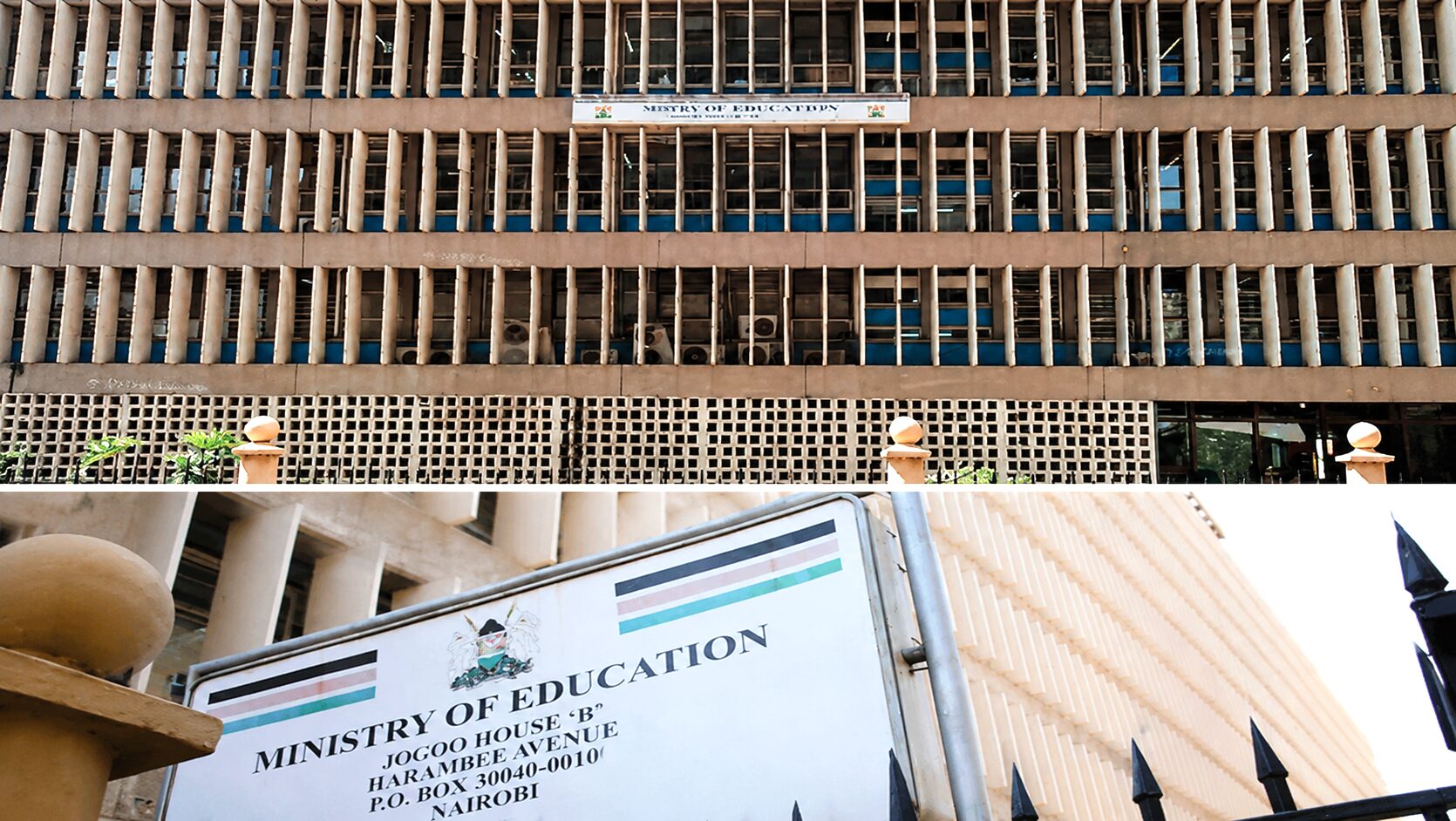
The government, through the Ministry of Education (MoE), has directed all public schools to transition to green energy under a nationwide programme financed through loans facilitated by Kenya Commercial Bank.
In a circular dated June 6, the Ministry outlined the implementation framework for the National Basic Education Institutions Solarisation Programme, describing the directive as mandatory for all targeted schools.
The circular, signed by former Basic Education Principal Secretary Prof. Julius Bitok, was circulated to all Regional, County and Sub-County Directors of Education, instructs schools to ensure full compliance and dissemination to schools within their jurisdictions.
“This circular provides mandatory guidelines for implementation. All regional, county and subcounty directors of education are required to disseminate these guidelines to all targeted schools within their jurisdiction and to ensure strict compliance with the process outlined herein,” the document states.
The Ministry said the initiative supports its broader climate action and sustainability agenda, including ongoing efforts to green learning institutions through national tree planting campaigns targeting billions of trees.
It noted that while schools are among the leading contributors to Kenya’s afforestation drive, they also remain heavy consumers of firewood for cooking and other energy needs—an imbalance the new programme seeks to address.
ALSO READ:
Murkomen: Gen Z teachers juggling parenting roles as parents offload responsibility
The School Energy Programme is also aligned with the government’s clean cooking and energy transition agenda, including the School LPG initiative, aimed at reducing reliance on biomass and fossil fuels.
According to the Ministry, integrating solar power systems will help cut energy costs, reduce pressure on the national grid, and enhance environmental conservation across learning institutions.
Under the financing model, Kenya Commercial Bank will partner with the Ministry to pay approved service providers directly. Schools will not make upfront payments.
The loans will attract an interest rate of 9.75% per annum and will be repaid over a period not exceeding five years. Repayment will be drawn from energy savings, the Maintenance and Improvement Fund (M&IF), or other approved infrastructure allocations.
Schools will be required to adopt appropriate clean energy systems depending on their needs, including solar PV systems (grid-tied, off-grid or hybrid), biogas installations, LPG systems, thermal energy solutions, or hybrid combinations.
ALSO READ:
Court orders release of three Kisumu Boys students in attempted arson case
Education officers have been instructed to circulate the directive to all public school heads within seven working days and report any implementation challenges within 14 days to the Office of the Principal Secretary.
The circular further directs schools to submit baseline data, including electricity consumption records, equipment inventories, structural details, and Board of Management approvals, to guide system design and installation.
Upon completion of procurement, schools will sign contracts with selected contractors based on approved Bills of Quantities and design specifications. The agreements will include warranty provisions and commissioning requirements involving joint inspection by consultants and licensed EPRA technicians.
All payments will be processed exclusively through the KCB financing mechanism, with a strict prohibition on cash transactions between schools and contractors.
The Ministry also noted that financing agreements between schools and the bank must be formalised before installation begins. Kenya Commercial Bank will also maintain a central digital dashboard tracking project progress, energy output, system performance, and financial status across 1,607 schools under the first rollout phase.
By Frank Mugwe
You can also follow our social media pages on Twitter: Education News KE and Facebook: Education News Newspaper for timely updates.
>>> Click here to stay up-to-date with trending regional stories
>>> Click here to read more informed opinions on the country’s education landscape