- The government has begun collecting data from schools on cooking energy use, infrastructure, and costs to guide investments in clean cooking technologies and expand the National School Meals Programme.
- The initiative supports the Kenya National Cooking Transition Strategy (2024–2028) and President Ruto’s directive to transition all schools to clean cooking, aiming to reach 10 million learners by 2030.
The government has launched a nationwide data collection exercise to facilitate the transition of schools to clean cooking technologies as it seeks to expand the National School Meals Programme (NSMP) in a sustainable and climate-friendly manner.
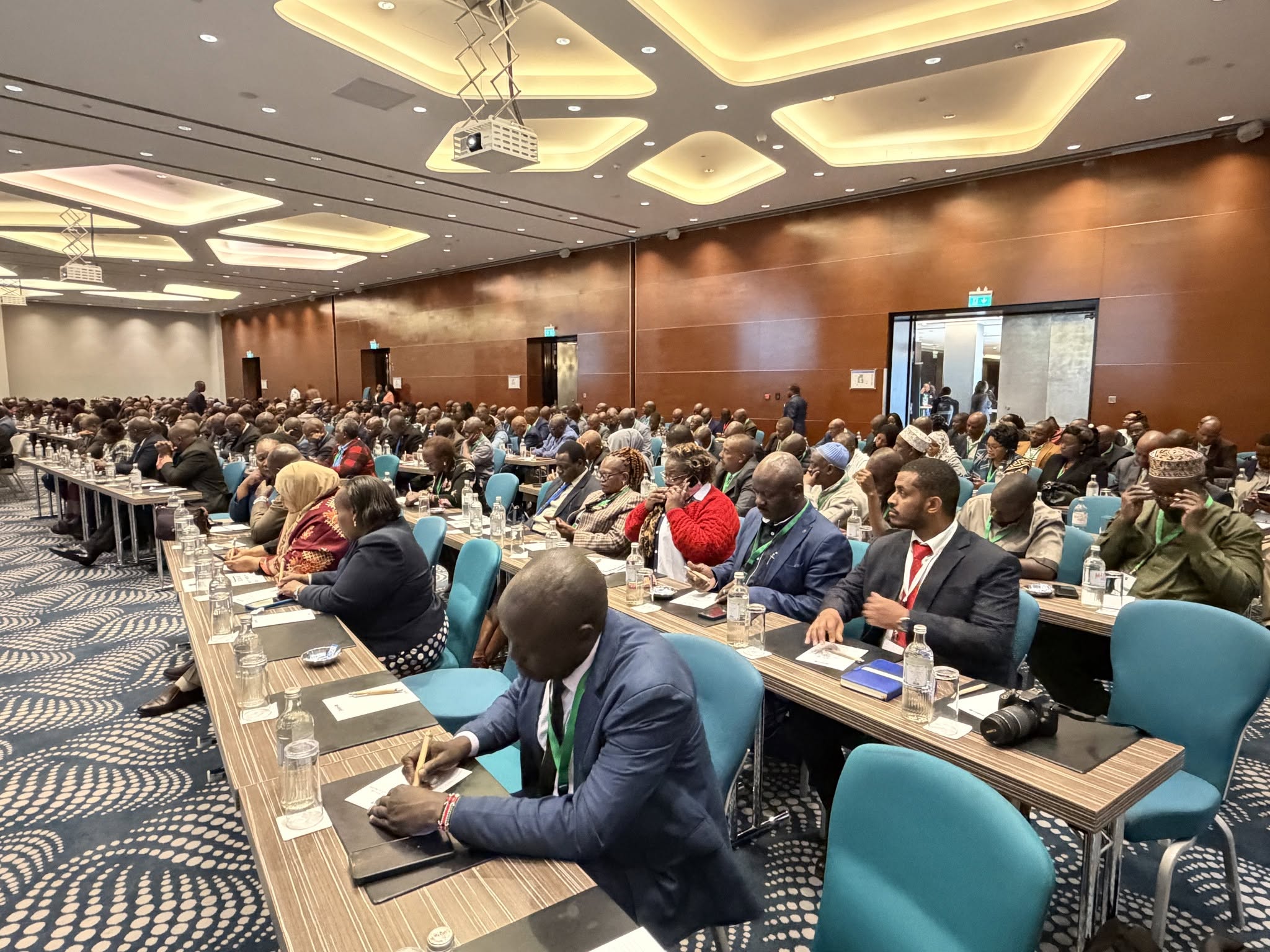
The exercise, unveiled during a national sensitisation workshop at the Radisson Blu hotel in UpperHill, Nairobi on Monday, July 27, will collect data from schools across the country on cooking energy use, fuel consumption, kitchen infrastructure, operational costs and school feeding systems to guide future investments in institutional clean cooking.
The initiative is part of the government’s commitment under the Kenya National Cooking Transition Strategy (2024–2028), which aims to achieve universal access to clean cooking by 2028. It also supports President William Ruto’s directive to transition all public schools to clean cooking while expanding the National School Meals Programme to reach 10 million learners by 2030.
Kenya has made progress in increasing access to clean cooking over the past decade, but nearly 70 per cent of the population still relies on traditional fuels such as firewood and charcoal. In schools, the continued dependence on firewood not only contributes to deforestation and greenhouse gas emissions but also consumes a significant share of operational budgets that could otherwise support learning.
ALSO READ:
Governor Bii turns to mediation in Uasin Gishu Finland education programme dispute
An estimated 73,993 educational institutions, including Early Childhood Development Centres(ECDE) centres, primary and secondary schools, and TVET institutions, prepare meals daily for millions of learners, presenting one of the country’s biggest opportunities to accelerate the adoption of clean cooking technologies.
The government estimates that transitioning schools to modern cooking energy solutions will require an investment of about USD 578 million, creating opportunities to leverage public funding alongside private sector investment, carbon financing, climate funds and other innovative financing mechanisms.
The survey has been developed through a partnership involving the Office of the Special Envoy for Climate Change, the Ministry of Education, the National Council for Nomadic Education in Kenya (NACONEK), the Office of the First Lady and development partners.
It will generate standardised data on schools’ energy demand, cooking technologies, infrastructure, institutional readiness and financing needs, while also identifying opportunities to strengthen school feeding systems and expand access to nutritious meals.
The information will be used to develop a national pipeline of investment-ready projects, inform government policy and attract financing for the clean cooking transition.
County and Sub-County Directors of Education will coordinate the nationwide exercise by working with school heads to ensure accurate and comprehensive data collection.
The government expects the exercise to strengthen planning, improve resource mobilisation and lay the foundation for large-scale investment in clean cooking across Kenya’s schools.
By Frank Mugwe
You can also follow our social media pages on Twitter: Education News KE and Facebook: Education News Newspaper for timely updates.
>>> Click here to stay up-to-date with trending regional stories
>>> Click here to read more informed opinions on the country’s education landscape