
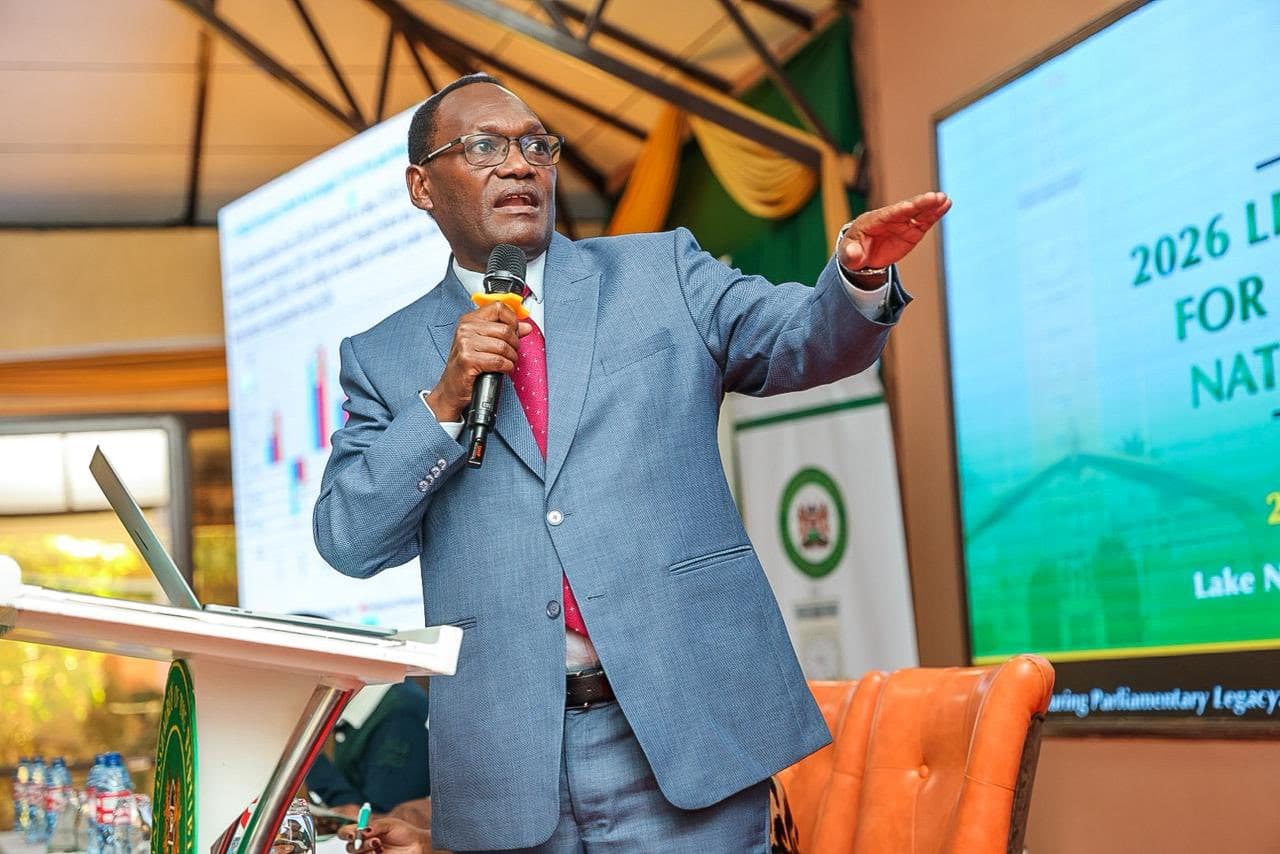
Education will continue to receive the biggest share of government spending in the coming financial year, but significant funding gaps persist, Treasury Principal Secretary Chris Kiptoo has told Members of Parliament.
Speaking during the National Assembly leadership retreat on Thursday, Kiptoo said the sector is set to take up about 27 per cent of ministerial allocations in the 2026/27 budget, making it the single largest beneficiary. However, he cautioned that despite the sizeable allocation, education remains underfunded due to rising enrolment, expanded programmes, and limited fiscal space caused by heavy debt servicing.
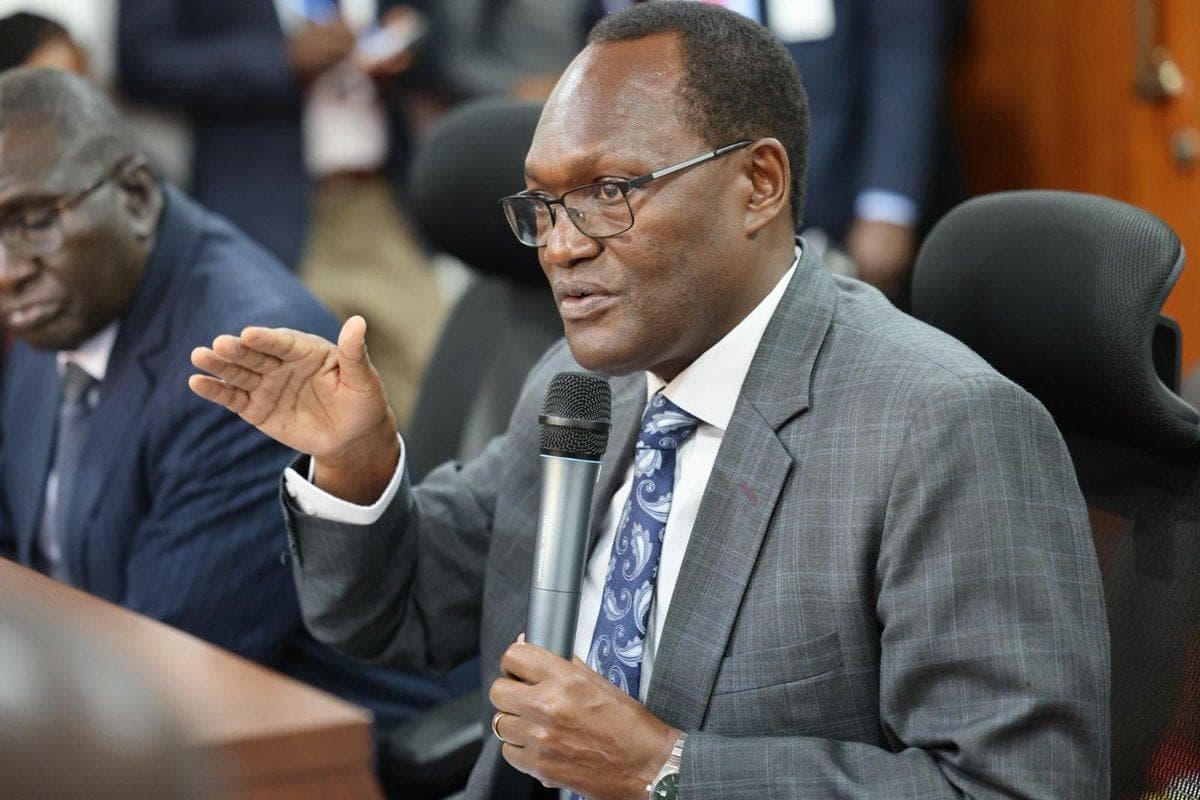
“Education takes the largest chunk of what is available for ministries, but it is still not fully funded. There are issues around capitation that are not fully accommodated, as well as challenges in scholarships and other support programmes,” Kiptoo said.
ALSO READ:
https://educationnews.co.ke/how-senior-school-rollout-exposed-a-glaring-contradiction-that-threatens-both-quality-and-teacher-morale/
Treasury data shows total government expenditure is projected at Sh4.6 trillion, but only Sh2.8 trillion will be available for ministries after deductions for debt repayments, pensions, and other Consolidated Fund Services. The remaining Sh1.8 trillion will go to debt servicing and pension obligations, leaving limited resources for service delivery.
This squeeze has forced the government to prioritise recurrent obligations such as salaries and statutory transfers, while development spending continues to shrink. Treasury figures indicate that the share of the budget allocated to development projects has dropped to 11.2 per cent, down from nearly 28 per cent in 2016/17.
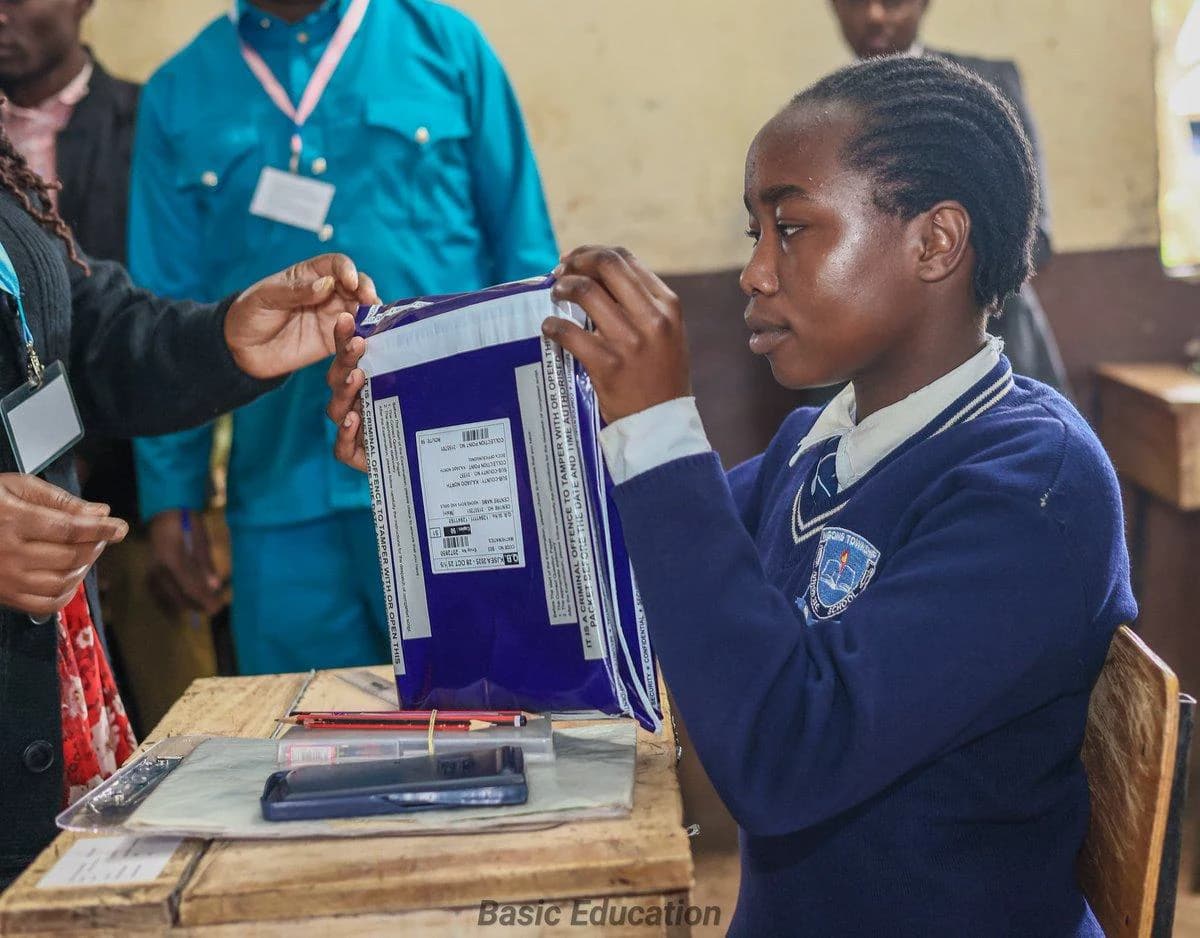
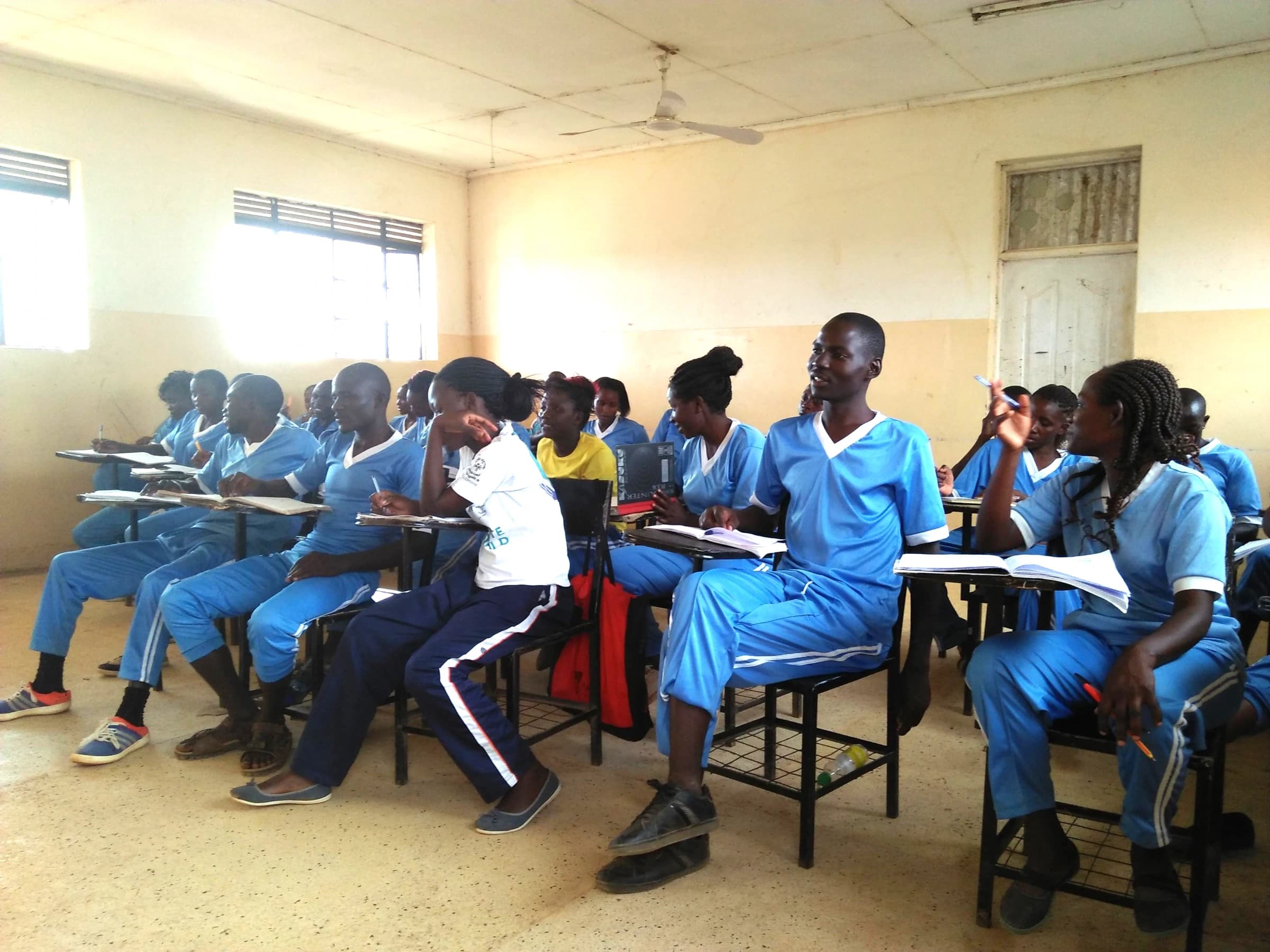
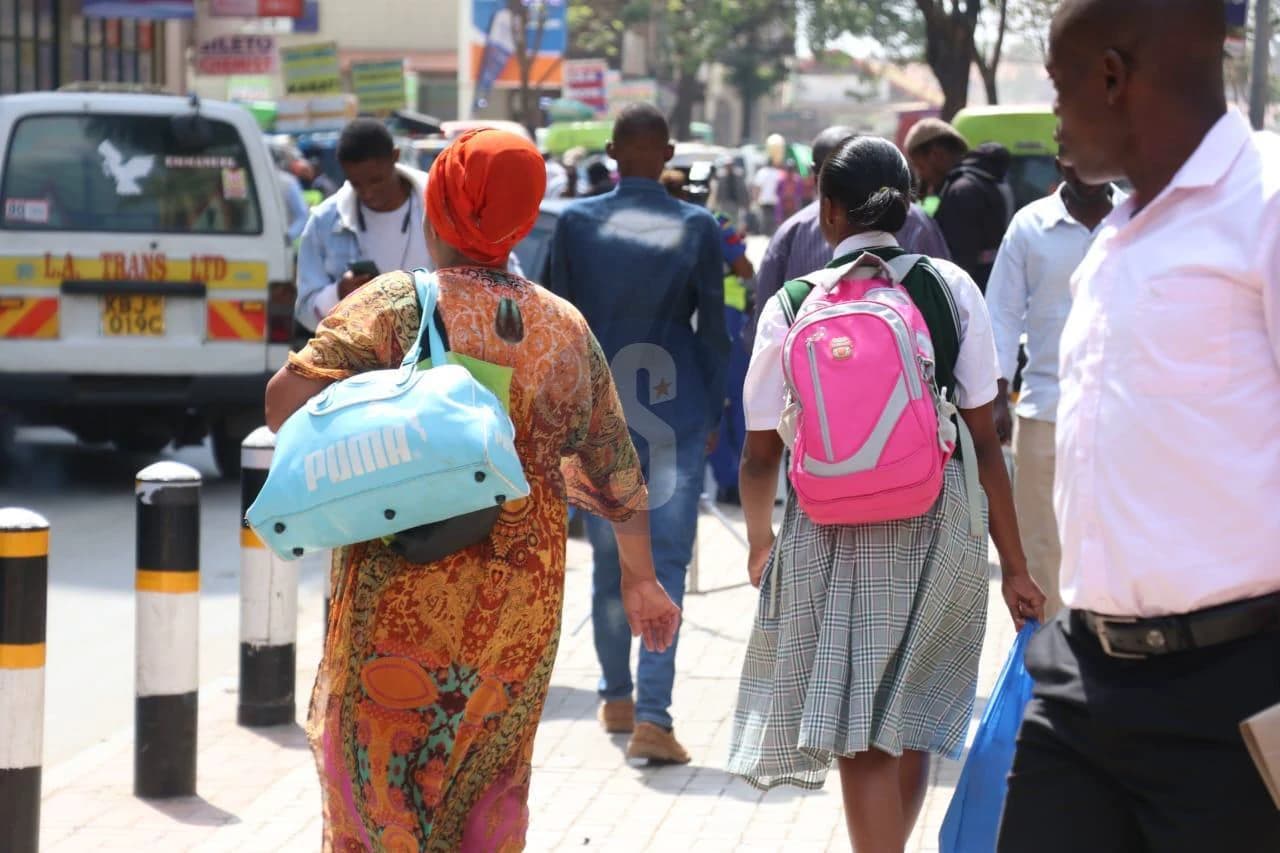
The pressure on education financing comes amid persistent complaints from schools over delayed and inadequate capitation, alongside rising costs linked to the competency-based curriculum and increased enrolment. Universities and technical institutions have also faced shortfalls, relying more heavily on student fees and loans, while scholarships remain scarce for learners from low-income households.
Kiptoo told MPs that the government is exploring alternative financing models, including public-private partnerships and the planned National Infrastructure Fund, to move commercially viable projects off the budget and free up resources for social sectors such as education and health. “If we can take some infrastructure spending off the budget and finance it through private capital, we can create more fiscal space for sectors like education that cannot be commercially financed,” he said.
ALSO READ:
https://educationnews.co.ke/sorrow-at-moi-sindo-girls-high-school-as-principal-florence-omundi-passes-away/
He warned, however, that without stronger revenue collection, even social sectors will continue to face constraints. Kenya’s tax-to-GDP ratio has fallen to 14.4 per cent from nearly 18 per cent a decade ago, reducing the government’s ability to meet growing demands. At the same time, nearly half of ordinary revenue is now consumed by debt servicing and pensions, up from 16 per cent ten years ago.
“This is why we are saying fiscal space is shrinking. Even when we allocate the biggest share to education, the resources are still not sufficient to meet all needs,” Kiptoo said.
MPs at the retreat raised concerns about the impact of underfunding on schools and universities, warning that institutions are struggling to maintain quality amid rising costs. Treasury officials urged legislators to support revenue-enhancing measures and expenditure reforms, arguing that sustainable education financing depends on broader fiscal consolidation.
Kiptoo said the government is pursuing zero-based budgeting, procurement reforms, and digitisation of payroll and pension systems to improve efficiency and reduce wastage. He added that strengthening tax administration will be critical to boosting collections without overburdening compliant taxpayers.
By Masaki Enock
You can also follow our social media pages on Twitter: Education News KE and Facebook: Education News Newspaper for timely updates.
>>> Click here to stay up-to-date with trending regional stories
>>> Click here to read more informed opinions on the country’s education landscape

Reader Discussion (0)
Sign in to comment