- Professor Henry Onderi has warned the Ministry of Education against rushing the restructuring of Boards of Management without wide public consultation.
- The Basic Education Bill, 2025 has proposed cutting BoM membership to a maximum of nine and removing teacher and student council representatives.
- Prof. Onderi has urged the Ministry to hold broad county-level consultations before the Bill is passed to avoid disrupting school operations.
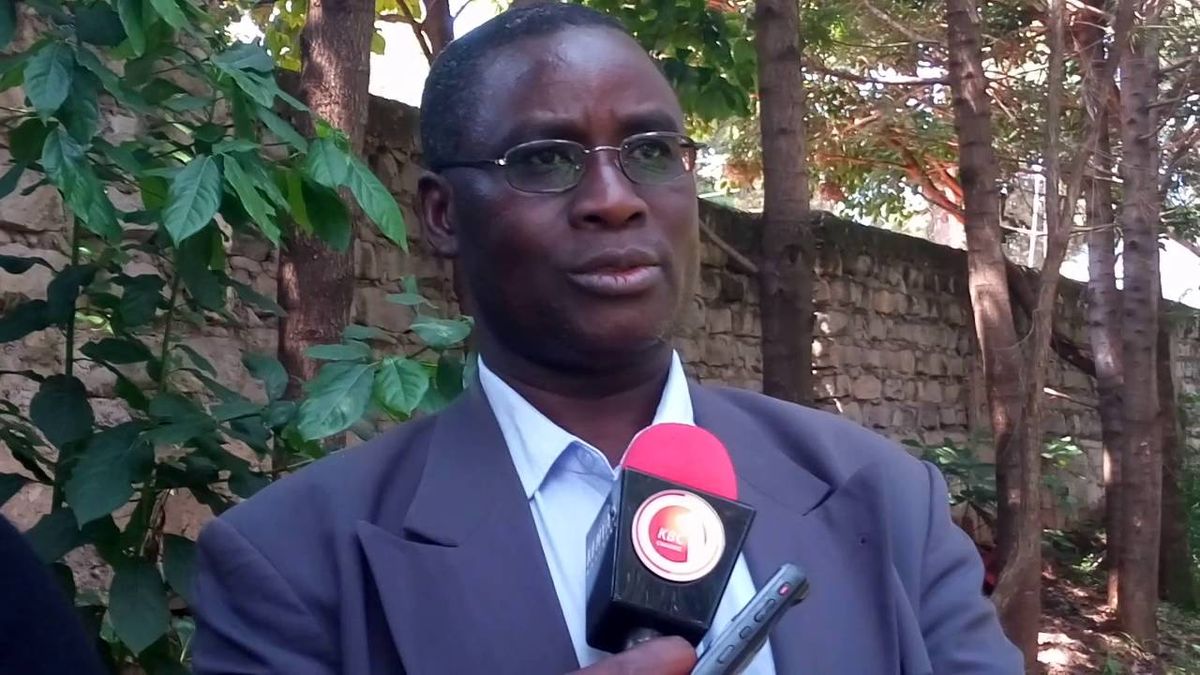
The Ministry of Education’s proposal to restructure Boards of Management (BoMs) has come under criticism from the Chairman of Education Stakeholders in Kenya, Professor Henry Onderi, who has warned that pushing the reforms through without wide consultation could adversely affect education development.
Prof. Onderi, a don at Jaramogi Oginga Odinga University of Science and Technology (JOOUST) and former chairman of the Kisii County Education Board, made the remarks while speaking in Kisii town on Sunday. He said rushing reforms without public input undermines community ownership of schools and risks harming both learners and parents, accusing unnamed persons of making unilateral decisions on the matter.
“You can not sit somewhere in the corner of your house and pass an arbitrary decision overnight over millions of Kenyans and expect us to keep quiet about the mess,” he said, adding that decisions affecting millions of people must be carefully thought through given the repercussions they carry for those affected.
ALSO READ:
Bill proposes alumni seat on school boards, cuts BOM size from 17 to nine
What the Bill Proposes
The proposed changes are contained in the Basic Education Bill, 2025, currently before the National Assembly’s Departmental Committee on Education, and form part of wider reforms arising from the Presidential Working Party on Education Reform (PWPER). According to the Ministry, the Bill seeks to cut Boards of Management membership from the current 14 regular appointed members plus up to three co-opted members, down to a maximum of nine, in line with the Mwongozo Code of Governance and to reduce the cost of governance, since board members earn sitting allowances. Ministry Director-General Dr. Elyas Abdi told Parliament that “what we currently have is a crowd, so we want to limit the membership.”
The Bill also proposes removing representatives of teaching staff and students’ councils from the boards, replacing them with nominees from the National Government Administration Officers (NGAO), alumni associations, and the Principal Secretary responsible for Basic Education. Under the proposal, each comprehensive, primary and senior school board would include one person nominated by the institution’s alumni association, alongside representatives of parents, sponsors, persons living with disabilities, professionals, the County Director of Education and the head of the institution. Other proposed changes include having county commissioners chair county education boards in place of educationists, as currently provided under the law, as well as formally recognising school heads as agents of the Principal Secretary to make them more directly accountable for financial and institutional management.
The Ministry argues the restructuring will strengthen oversight, improve decision-making effectiveness, and align school governance with the Mwongozo framework, which promotes leaner and more independent boards. Additional elements of the Bill include abolishing the National Education Board, retaining county education boards under a revised structure, and formally recognising alumni associations for every basic education institution.
ALSO READ: TSC must review teachers’ allowances in tandem with new economic realities
While acknowledging that efficiency and accountability are important goals, Prof. Onderi cautioned that hurrying the process without involving parents, teachers, sponsors and county education boards could undermine school development. “Boards of Management are the closest link between the community and the school. If we rush and cut their size and remove teachers and students, we risk losing local knowledge and buy-in,” he said.
He urged the Ministry to carry out broad consultations across counties before the Bill is passed, to ensure the reforms do not disrupt ongoing projects, bursary administration and resource management in schools. The Bill is among several education laws under review following PWPER’s recommendations, with Cabinet having adopted the reform package on February 11, 2026, as part of a comprehensive overhaul of Kenya’s education system.
By Enock Okong’o
You can also follow our social media pages on Twitter: Education News KE and Facebook: Education News Newspaper for timely updates.
>>> Click here to stay up-to-date with trending regional stories
>>> Click here to read more informed opinions on the country’s education landscape
>> Click here to stay ahead with the latest national news.