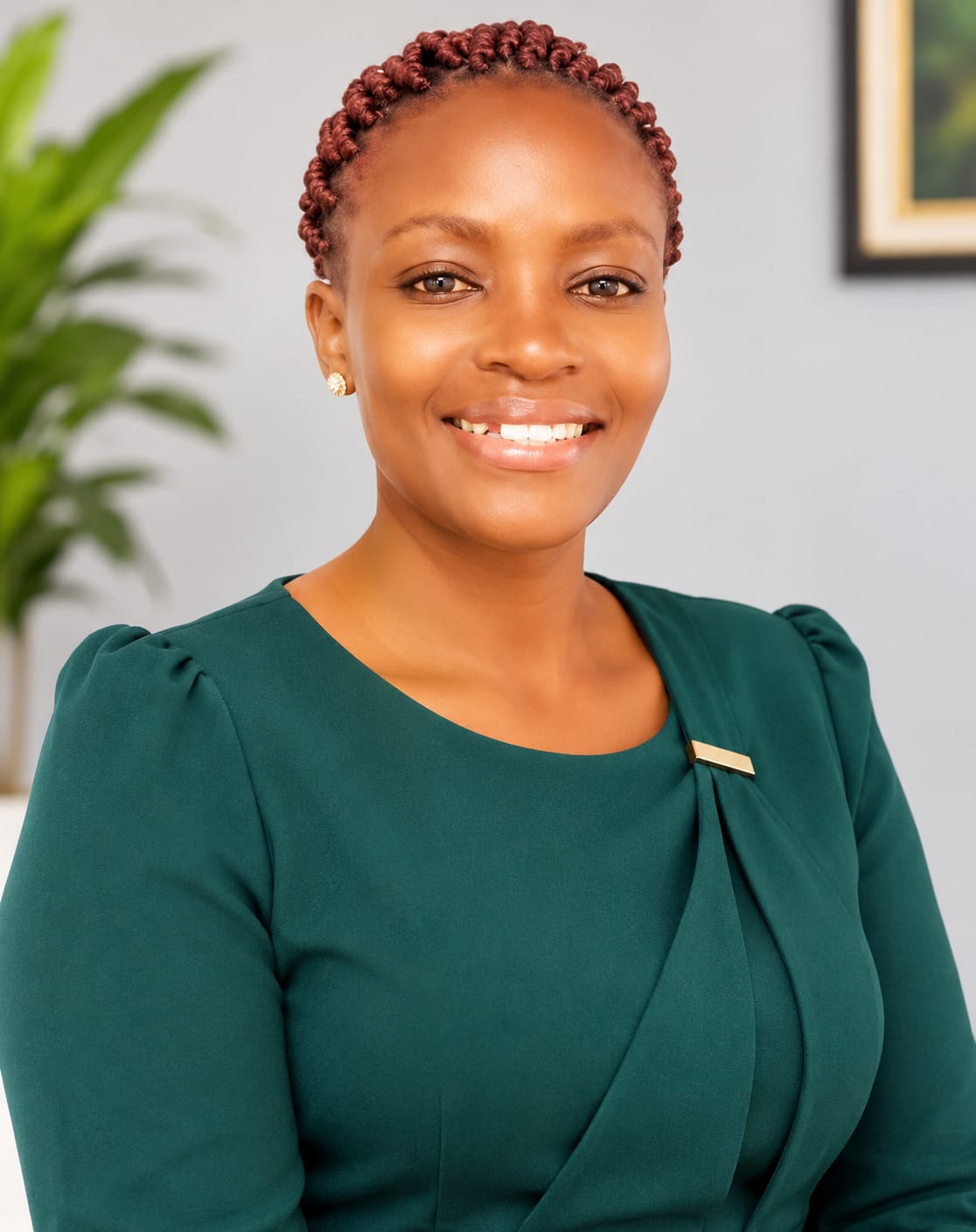
- Hillary Muhalya argues that teachers who began their careers with Primary Teacher Certificate (P1) qualifications should not be barred from pursuing diploma and degree studies in Early Childhood Development Education (ECDE).
- He says expanding opportunities for academic progression will strengthen teacher professionalism, improve learning outcomes and uphold the principle of lifelong learning.
Education is a lifelong journey. It is founded on the belief that every learner, regardless of where they begin, should have an opportunity to progress through determination, hard work and merit. This philosophy applies not only to pupils and students but also to teachers, whose professional growth directly determines the quality of education they offer. It is therefore deeply concerning that proposals have emerged seeking to bar Early Childhood Development Education (ECDE) teachers who initially trained with Primary Teacher Certificate (P1) qualifications from pursuing diploma and degree studies in ECDE.
Such a policy would be a serious setback to the teaching profession. It would discourage professional development, undermine constitutional values and deprive Kenya’s youngest learners of highly qualified educators. Instead of erecting barriers, the country should be opening more doors for teachers to improve their knowledge, skills and competence.
Many teachers currently serving in ECDE classrooms did not begin their careers as ECDE specialists because the opportunities available at the time were different. They enrolled in Primary Teacher Certificate programmes, graduated, joined the profession and accumulated years of classroom experience. As the education sector evolved and the importance of quality early childhood education became more evident, many chose to invest in themselves by pursuing further studies in ECDE. They paid tuition fees, balanced family responsibilities with studies and met the admission requirements of accredited colleges and universities. They did so because they believed education has no finishing line.
To deny such teachers the opportunity to complete diploma or degree programmes simply because of their initial qualification would ignore their determination, experience and commitment to lifelong learning. A teacher should be judged by current competence and academic achievement, not by where they started their professional journey.
The Constitution of Kenya, 2010 provides a strong foundation for equal opportunities in education. It upholds equality before the law, prohibits unfair discrimination and recognises education as a key driver of national development. Public policy should therefore expand opportunities rather than restrict them. A policy that locks out a category of teachers from advancing academically despite meeting university or college admission requirements would be difficult to reconcile with these constitutional values.
Higher qualifications strengthen ECDE
Kenya has invested enormous resources in implementing Competency-Based Education (CBE), a curriculum that demands teachers who are innovative, adaptable and equipped with modern pedagogical skills. ECDE forms the foundation upon which the entire education system rests. Children who receive quality early childhood education are more likely to perform well throughout their academic journey. Strengthening the qualifications of ECDE teachers is therefore an investment in the country’s future.
Diploma and degree programmes expose teachers to advanced knowledge in child psychology, curriculum design, assessment, inclusive education, educational technology, research methods and leadership. These competencies improve classroom practice and enhance children’s learning experiences. Preventing teachers from acquiring such knowledge would weaken rather than strengthen the education system.
Experience must also be recognised as a valuable qualification. Many P1-trained teachers have served learners faithfully for years. They understand classroom realities, community dynamics and the developmental needs of children. Their practical experience, combined with higher academic qualifications, produces professionals who are better prepared to deliver quality education than those relying on either experience or theory alone.
Professional standards can be upheld without exclusion
Those advocating restrictions may argue that professional standards must be protected. Indeed, standards are essential. However, standards should be maintained through quality assurance, accreditation of training institutions and strict admission criteria—not through blanket prohibitions. Universities and colleges already have established admission requirements. Teachers who satisfy those requirements have demonstrated their academic readiness to pursue higher education.
Restricting academic progression also sends the wrong message to teachers. It discourages ambition and innovation by suggesting that some professionals are permanently confined to one qualification level regardless of their effort. Such a policy risks lowering morale in a profession that already demands significant sacrifice. Kenya should instead reward initiative and encourage continuous professional development.
Globally, education systems that consistently perform well invest heavily in teacher development. They encourage educators to upgrade their qualifications throughout their careers because they understand that no education system can rise above the quality of its teachers. Kenya should follow this path by promoting flexible academic progression, recognising prior learning and creating bridging opportunities for teachers who wish to specialise in ECDE.
The country is currently facing increasing demands for quality early childhood education. Parents expect competent teachers, counties seek improved learning outcomes and the government continues to invest in educational reforms. Meeting these expectations requires a highly trained workforce. Locking out experienced teachers from further studies would reduce the pool of qualified professionals at precisely the time the nation needs them most.
Opportunity, not barriers, should guide policy
A more progressive solution would be to establish clear transition pathways for teachers moving from Primary Teacher Certificate qualifications into ECDE diploma and degree programmes. Bridging courses, recognition of prior learning and transparent admission procedures would uphold standards while expanding opportunities. Such an approach would strengthen professionalism without denying deserving teachers the chance to grow.
Ultimately, Kenya must decide whether it wants an education system that rewards lifelong learning or one that punishes those who seek self-improvement. Closing academic doors on committed teachers contradicts the very values that education seeks to promote. Every teacher who has met the prescribed admission requirements should be allowed to pursue diploma and degree studies regardless of whether they began with a Primary Teacher Certificate or an ECDE certificate.
The future of Kenya’s children depends on the quality of their teachers. Every opportunity given to educators to upgrade their qualifications translates into better classrooms, stronger schools and improved learning outcomes. Rather than restricting academic advancement, policymakers should champion continuous professional development as a pillar of educational excellence.
READ ALSO: TSC cautions parents against meddling in teachers’ affairs
Kenya will not build a globally competitive education system by limiting opportunity. It will achieve that goal by empowering every dedicated teacher to learn, grow and serve learners with the highest level of professional competence. That is the vision that should guide policy—not exclusion, but inclusion; not barriers, but opportunity.
By Hillary Muhalya
>>> Click here to stay up-to-date with trending regional stories
>>> Click here to read more informed opinions on the country’s education landscape