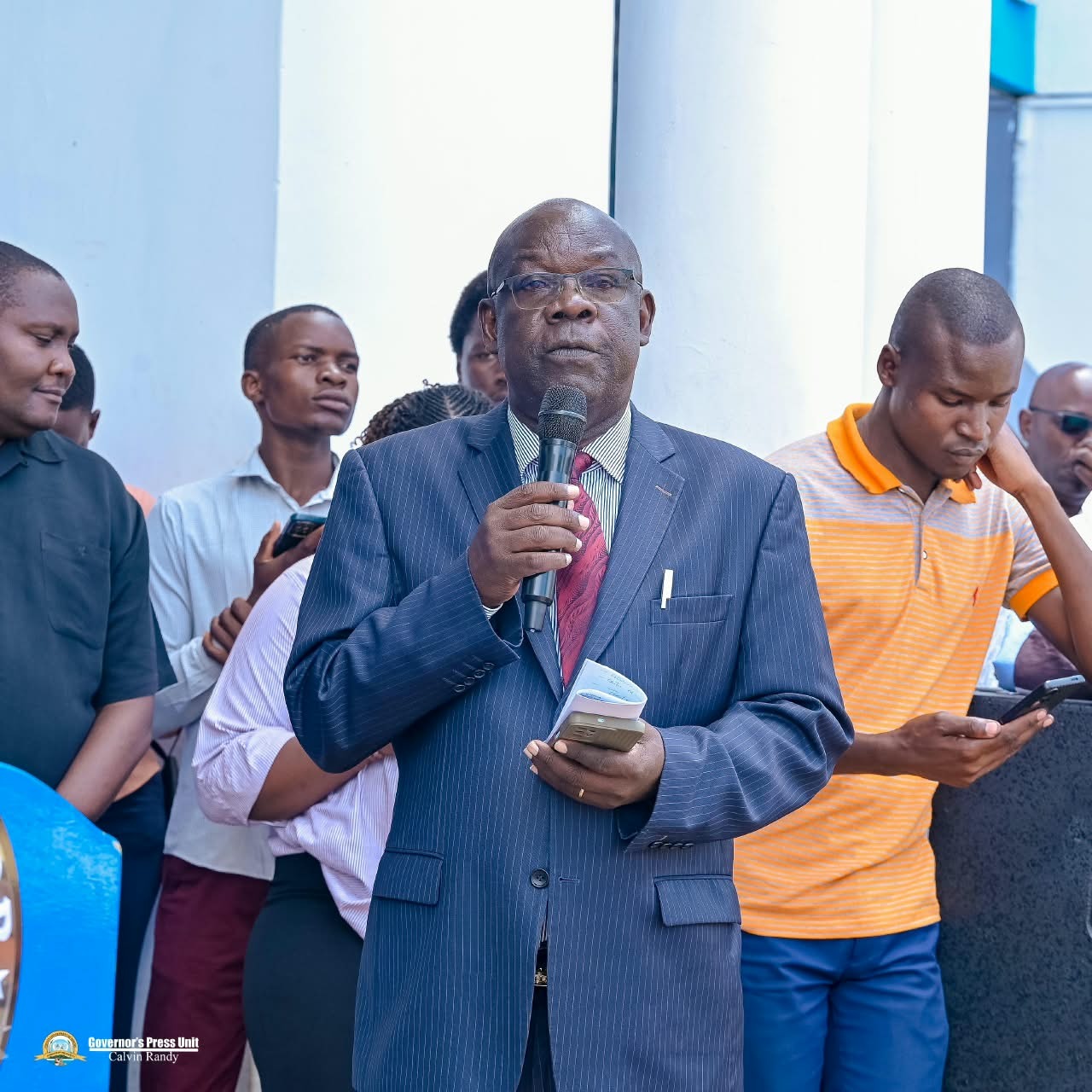
- Yabesh Onwonga argues that talks with teachers cannot substitute for lasting solutions to persistent education-sector problems.
- Teacher grievances, inadequate school capitation and questions over public-school payments point to wider accountability concerns.
- Kenya needs sustainable education financing where teacher commitments and every shilling allocated to schools are accountable.
There is something deeply unsettling about the latest attempt by Education Cabinet Secretary Julius Ogamba to avert a teachers’ strike.
With national examinations approaching, the government is once again reaching for the familiar emergency medicine: meetings, promises and appeals for patience.
But teachers are not threatening industrial action because they enjoy confrontation. They are angry because too many promises have remained promises.
Ogamba has acknowledged the grievances — pay disparities, stalled promotions, housing allowances, medical cover and working conditions — and pledged to work with Kuppet to find solutions. He has also backed efforts to compress phases of the teachers’ collective bargaining agreement and promised continued funding for promotions. The concerns were among those discussed when Ogamba met Kuppet officials at Jogoo House on September 3.
That is welcome.
But it is not enough.
The uncomfortable question is why Kenyan teachers must threaten to strike before their employer treats long-standing grievances with urgency.
The timing is particularly cynical. Every year, the government knows when examinations are coming. Every year, it knows teachers will be indispensable to the process. Yet negotiations over their welfare are allowed to drift until the education calendar reaches the danger zone.
That is not industrial harmony. It is crisis management.
Schools are also feeling the squeeze
And while teachers are being asked to exercise restraint, public schools are themselves being squeezed by a capitation crisis. Schools have complained that the money reaching them falls substantially below the approved annual allocation, leaving principals struggling to pay for food, electricity, water, learning materials and other essentials.
Kuppet says secondary schools have received about Sh16,000 per learner against an annual allocation of Sh22,244, leaving a shortfall of more than Sh6,000 per learner.
Then comes the bombshell from Parliament.
A National Assembly committee is questioning millions of shillings paid by public secondary schools to the Kenya Secondary School Heads Association (KSSHA). In one case cited by the committee, a school had paid about Sh6 million over five years; another reportedly paid roughly Sh5 million. MPs now want KSSHA to explain the legal basis for the payments and how the money is accounted for.
This is where the education debate gets serious.
The issue is not whether KSSHA performs useful functions. It may well do so. The issue is whether public institutions can transfer public money to an association outside the normal government accountability architecture without clear legal authority, transparent accounting and proper audit.
If the answer is no, Parliament must say so plainly.
If the answer is yes, KSSHA should produce the legal instrument, the accounts and the audit trail.
There should be no grey area when taxpayers’ money is involved.
Contradictions demand answers
The contradiction is glaring. On one hand, the government tells schools there is not enough money to meet basic obligations. On the other, Parliament is questioning millions being channelled from public schools to an organisation whose legal and accountability status is now under scrutiny.
That contradiction deserves more than bureaucratic explanations.
It deserves answers.
Kenya cannot simultaneously plead poverty when paying teachers, plead fiscal constraints when funding schools and then tolerate opaque financial arrangements involving public institutions.
The government’s education policy increasingly resembles a leaking roof: officials keep placing buckets under the latest drip instead of fixing the structure.
Ogamba’s dialogue with teachers is necessary. Paying teachers properly is necessary. Funding schools adequately is necessary. But so is financial discipline.
The solution is not another promise before examinations.
It is a transparent education-financing system where every shilling has a purpose, every institution is accountable and every teacher knows that their pay and career progression are governed by enforceable commitments rather than political goodwill.
Teachers should not have to threaten a strike to be heard.
Schools should not have to beg for money that Parliament has already appropriated.
And public institutions should not have to explain, years later, why millions of shillings were transferred to organisations whose accountability remains contested.
Kenya’s education crisis is therefore bigger than Kuppet, KSSHA or Ogamba.
It is a crisis of priorities.
READ ALSO: MoE challenged to introduce national and international athletics competitions in universities
And the children sitting for examinations should not be made to pay the price.
By Yabesh Onwonga
The writer is a History and Languages analyst.
Get more stories from our website: Education News
To write to us or offer feedback, you can reach us at: editor@educationnews.co.ke
You can also follow our social media pages on Twitter: Education News KE and Facebook: Education News Newspaper for timely updates.
>> Click here to stay up-to-date with trending regional stories