






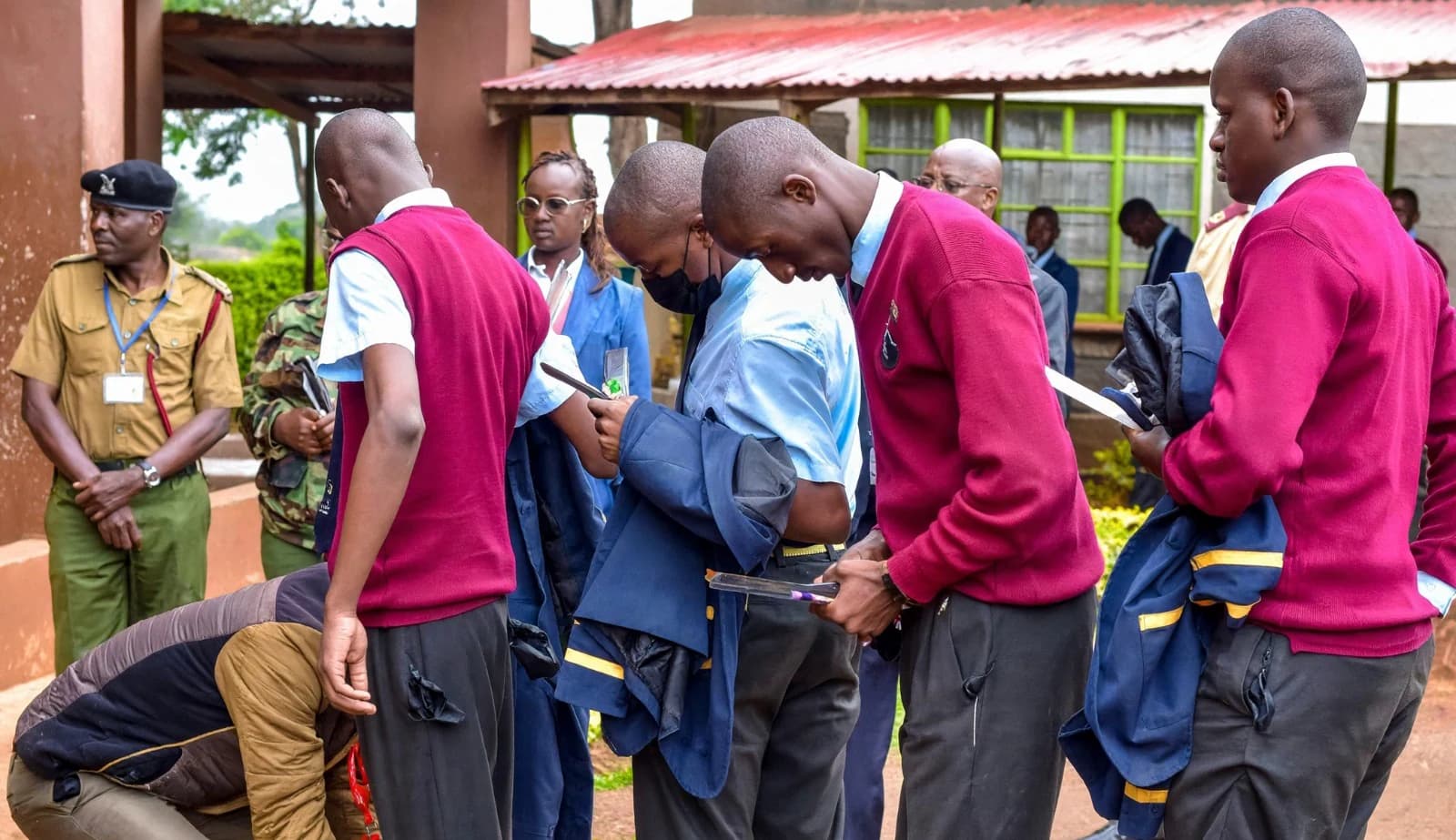

The tragic death of Baby Faiz , a 3 year old child at Gilgil Hills Academy is not just another headline to be consumed and forgotten – it is a painful reminder of a systemic failure that we have chosen, time and again, to ignore. A three-year-old life has been lost under circumstances that demand not only answers, but accountability.
Yet, if history is any guide, we already know the script: outrage, promises, investigations and then silence. Until the next tragedy.
To the family of the departed child, no words can fully capture the depth of this loss. The death of a child is a wound that defies healing, a grief that lingers in the quiet moments and echoes through a lifetime. One can only imagine the anguish of sending a child to school – a place presumed safe – only for them never to return home.
As a society, we must pause and sit with this pain, not rush past it. We extend our deepest condolences, and in whatever small way words can comfort, we stand in solidarity with you. Your loss is not private; it indicts all of us.
But condolences, however sincere, are not enough. They must be accompanied by a collective moral reckoning. Because this is not an isolated case. It is part of a disturbing pattern – children drowning in school compounds, being left unattended, suffering injuries due to negligence, or dying in circumstances that are later muddied by contradictions and half-truths. Each incident is followed by the same familiar language: “thorough investigations,” “no stone left unturned,” “those responsible will be held accountable.” And yet, very little changes.
The uncomfortable truth is that we have normalized institutional negligence. Schools, particularly in the private sector, have expanded rapidly, often outpacing regulation and oversight. In the race to attract parents and maximize enrollment, critical safety considerations are sometimes treated as secondary concerns. Hazardous features like open water bodies, unsecured construction areas, or poorly supervised play zones continue to exist in environments meant for the most vulnerable members of society.
ALSO READ:
https://educationnews.co.ke/joseph-waswa-foundation-disburses-bursary/
Where were the systems that should have protected this child? Where was the supervision? How does a three-year-old wander unnoticed into a dangerous area? Why are there inconsistencies in the accounts given to the family? These are not minor procedural lapses; they are fundamental failures. And unless they are addressed with seriousness and urgency, they will recur.
Equally troubling is the culture of impunity that often follows such incidents. Investigations are launched, yes, but how often do they lead to meaningful consequences? How many school administrators have faced prosecution, license revocation, or professional bans as a result of negligence leading to a child’s death? Without visible accountability, the message sent to institutions is clear: this too shall pass.
We must reject that cycle.
First, there must be an immediate and transparent investigation into this incident, conducted independently and with full public disclosure of findings. Not a sanitized summary, but a detailed account of what happened, who was responsible, and what failures enabled the tragedy. The family deserves truth, not speculation.
Second, accountability must be real and enforceable. If negligence is established, those responsible—whether individuals or the institution—must face legal consequences. Regulatory bodies must go beyond warnings and take decisive action, including closure of non-compliant institutions where necessary. A child’s life cannot be equated to a procedural warning letter.
Third, there is an urgent need for a nationwide audit of school safety standards. Every institution that handles young learners must be subjected to rigorous inspection, focusing on supervision protocols, infrastructure safety, emergency response systems, and staff training. Compliance should not be optional or occasional; it must be continuous and verifiable.
ALSO READ:
https://educationnews.co.ke/tsc-embarks-on-overhaul-of-career-progression-guidelines-to-address-teacher-stagnation-and-align-with-cbe/
Fourth, schools themselves must internalize a culture of safety that goes beyond compliance. This includes maintaining strict pupil-to-teacher ratios, conducting routine risk assessments, securing all hazardous areas, and ensuring that every child is accounted for at all times. Technology such as CCTV should not be decorative—it should be functional, monitored, and accessible in times of crisis.
Finally, parents and communities must remain vigilant. Trust in institutions should not translate into blind faith. There must be active engagement with schools, regular inquiries into safety measures, and a willingness to demand better. Silence and complacency only create space for negligence to thrive.
This moment calls for more than grief; it calls for resolve. We cannot afford to move on as we always do, numbed by repetition. Each child lost is not just a statistic – it is a future erased, a family shattered, a society diminished.
If we truly honour the memory of this young life, then let it be through action. Let it be the turning point where rhetoric gives way to responsibility, where promises are matched by policy, and where the safety of every child becomes a non-negotiable priority.
Anything less would be a betrayal – not only of this child and their family, but of every parent who entrusts a school with what is most precious to them.
By Ashford Kimani
Ashford teaches English and Literature in Gatundu North Sub-county and serves as Dean of Studies.
You can also follow our social media pages on Twitter: Education News KE and Facebook: Education News Newspaper for timely updates.
>>> Click here to stay up-to-date with trending regional stories
>>> Click here to read more informed opinions on the country’s education landscape



Reader Discussion (0)
Sign in to comment