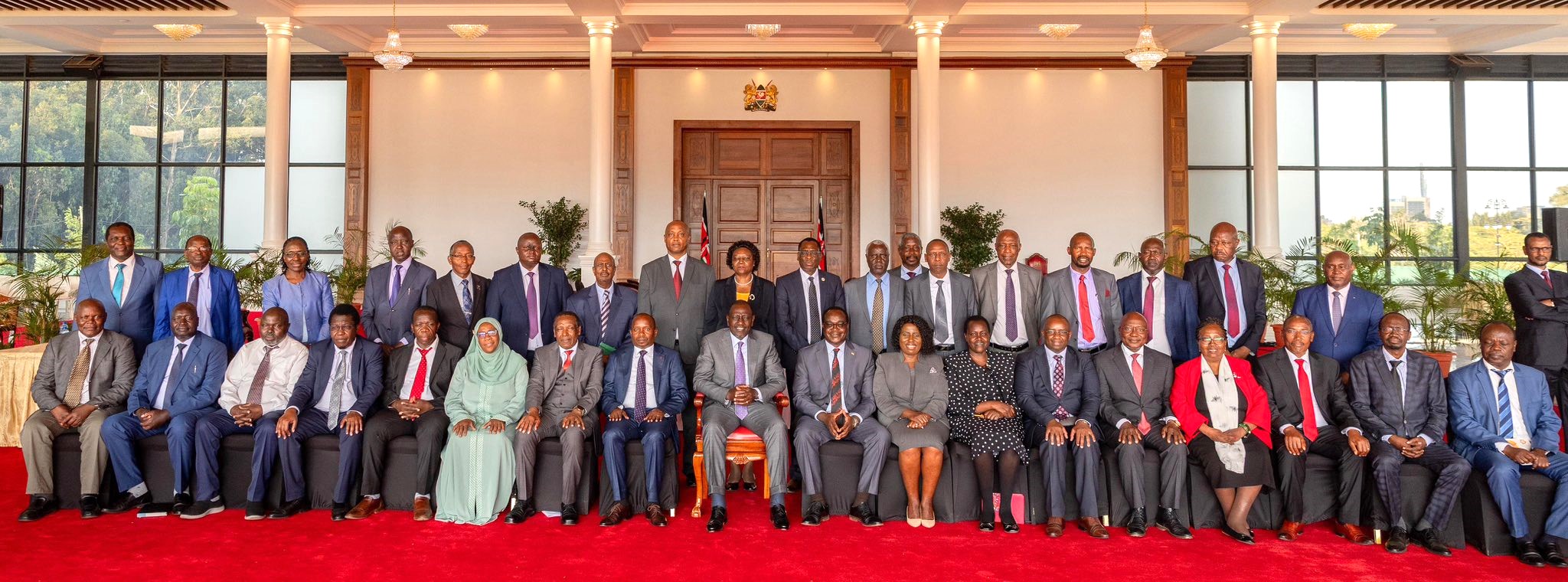
- CS Ogamba told senators that all 47 counties are represented among the 23,388 employees serving in Kenya’s 246 public TVET institutions, meeting constitutional requirements on inclusivity and diversity.
- Men make up 56.8 per cent of the workforce while women account for 43.2 per cent, satisfying the two‑thirds gender principle.
- Trainers form the largest employee category, followed by technical, administrative, and support staff. New HR instruments will be rolled out in October 2026 to standardise recruitment and strengthen governance.
The Ministry of Education has defended its recruitment practices in public Technical and Vocational Education and Training (TVET) institutions, assuring the Senate that the sector has complied with constitutional requirements on diversity, gender balance, and equal opportunity in employment.
Education Cabinet Secretary Julius Ogamba made the remarks while appearing before the Senate Standing Committee on National Cohesion, Equal Opportunity and Regional Integration, where he responded to concerns over recruitment, staff distribution, and inclusivity across public TVET institutions.
Ogamba told the committee that all 47 counties are represented among the 23,388 employees serving in Kenya’s 246 public TVET institutions, demonstrating compliance with constitutional and legal provisions on equitable representation.
The committee was considering statements sought by its Chairperson, Senator Mohammed Chute, and Nominated Senator Beth Syengo, who requested clarification on recruitment practices, workforce distribution, and measures being implemented to promote diversity within the TVET sector.
ALSO READ:
Gender Ratios and Staffing Categories in TVET Institutions
According to the Ministry, men constitute 56.8 per cent of the workforce while women account for 43.2 per cent, a ratio the government says satisfies the constitutional two-thirds gender principle.
The Cabinet Secretary noted that trainers make up the largest category of employees in the institutions, followed by technical personnel, administrative staff, and support workers.
To address staffing shortages, Ogamba said the government has recruited 3,300 trainers through the Public Service Commission since 2022. He explained that recruitment is conducted through a competitive process involving institutional councils and boards, the State Department for TVET, and the Public Service Commission.
He added that job advertisements specifically encourage applications from women, persons with disabilities, and members of marginalised communities as part of efforts to promote equal opportunity in public service employment.
The Ministry also informed senators that public TVET institutions undergo regular audits to ensure compliance with the National Cohesion and Integration Act, which stipulates that no more than one-third of employees in a public institution should come from the same ethnic community.
Ogamba announced that new human resource instruments are expected to be rolled out in October 2026 to strengthen governance and standardise recruitment, promotion, and human resource management practices across all public TVET institutions.
By Obegi Malack
You can also follow our social media pages on Twitter: Education News KE and Facebook: Education News Newspaper for timely updates.
>>> Click here to stay up-to-date with trending regional stories
>>> Click here to read more informed opinions on the country’s education landscape