- President William Ruto says students should access higher education based on academic ability rather than their parents’ finances.
- The proposed tertiary funding reforms seek to provide government support to students across universities, TVETs and KMTC.
- Ruto announced additional investment at Godoma Technical Training Institute to expand infrastructure and accommodate more students.
President William Ruto has said the financial circumstances of parents should no longer determine whether a student can pursue higher education, as the Government moves to overhaul tertiary education funding.
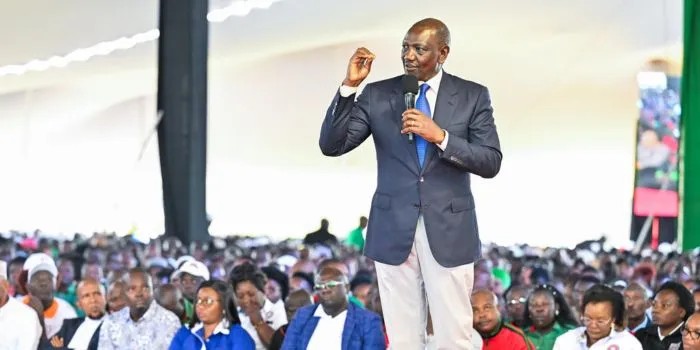
“Students should access higher education based on their academic ability, and not the financial circumstances of their parents,” the President said while speaking in Ganze Constituency, Kilifi County.
The proposed reforms would mark a shift from the current student-centred funding model, under which government support is determined partly by a student’s assessed financial need, with funding comprising scholarships, loans and household contributions.
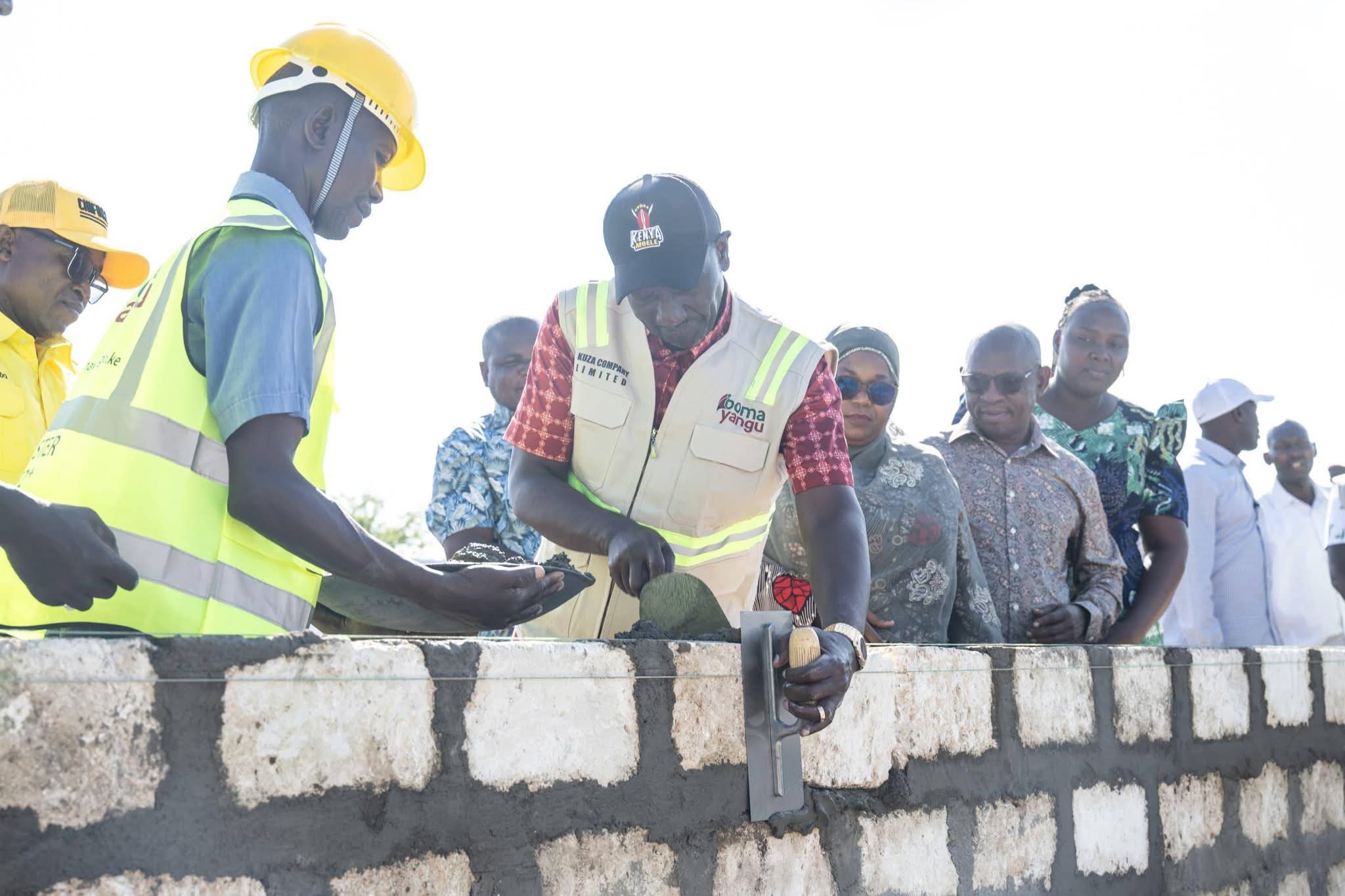
Ruto made the remarks in Ganze Constituency, Kilifi County, where he laid the foundation stone for a Sh150 million students’ hostel at Godoma Technical Training Institute.
The President said the Government would also allocate an additional Sh200 million to expand facilities at the institution and increase its capacity.
The investment is expected to enable Godoma Technical Training Institute to accommodate twice its current student population of about 340.
Ruto said expanding infrastructure in tertiary institutions was necessary to keep pace with growing demand for technical and professional training while ensuring students from different backgrounds have an opportunity to acquire skills.
Funding system set for overhaul
The proposed funding framework is also intended to bring students in different tertiary institutions under a more unified system.
The Tertiary Education, Placement and Funding Bill, 2026 proposes major changes to the existing financing architecture, including replacing the Higher Education Loans Board (HELB), Universities Fund and TVET Funding Board with a Tertiary Education Funding Authority (TEFA).
However, the proposed universal funding should not be interpreted as free higher education. Under the Bill, government support would largely be provided through loans, with repayments after beneficiaries secure employment. Monthly deductions would be capped at 25 per cent of a beneficiary’s emoluments.
The President has previously said the reforms are aimed at ensuring that no qualified student is locked out of higher education because of their family background.
“No student will ever again go to university or TVET or KMTC and miss the opportunity to study because of money issues,” Ruto said in August while explaining the proposed approach.
The proposed funding changes are still subject to the legislative process. In the meantime, students continue to be processed under the existing Student-Centred Funding Model as Parliament considers the proposed framework.
READ ALSO: Illicit alcohol crisis threatens schools in Kirinyaga as children gain easy access
The Government’s proposed approach comes as it continues investing in TVET infrastructure, which it considers key to equipping young people with practical skills for employment and entrepreneurship.
By Our Reporter
Get more stories from our website: Education News
To write to us or offer feedback, you can reach us at: editor@educationnews.co.ke
You can also follow our social media pages on Twitter: Education News KE and Facebook: Education News Newspaper for timely updates.
>> Click here to stay up-to-date with trending regional stories