- Hillary Muhalya examines an Irish dyslexia survey highlighting concerns over teachers’ preparedness to support affected learners.
- Parents, teachers and young people are calling for stronger training to improve classroom support for learners with dyslexia.
- The findings raise questions about whether Kenyan teachers receive sufficient practical preparation for specific learning difficulties.
A new survey from Ireland has placed teacher preparedness at the centre of the debate over how schools support children with dyslexia, with a large majority of parents and teachers calling for mandatory training.
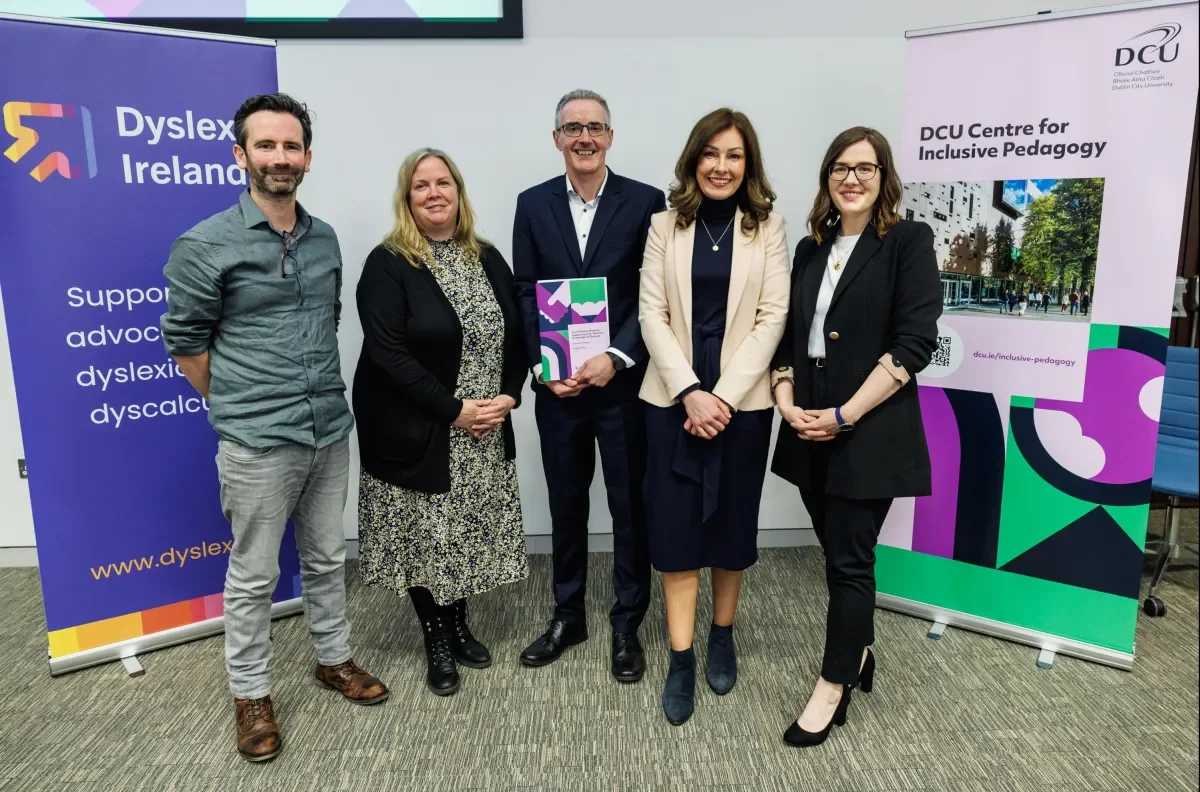
The survey, published by Dyslexia Ireland at the start of Dyslexia Awareness Month on October 1, drew responses from more than 900 teachers, parents and students. It found that 94 per cent of parents and 82 per cent of teachers supported mandatory dyslexia training for every teacher.
The findings also exposed a significant confidence gap among educators. Only 3 per cent of parents surveyed believed teachers were appropriately trained to support learners with dyslexia, while 60 per cent of teachers acknowledged that they did not know which reading or spelling programmes were most appropriate for dyslexic children.
For dyslexic young people themselves, the problem was equally significant. Some 68 per cent identified teachers’ lack of knowledge about dyslexia as one of the biggest challenges they face, placing it above issues such as examination support, delays in diagnosis and wider public awareness.
The findings have implications beyond Ireland because dyslexia can directly affect how learners acquire reading, spelling and writing skills. When teachers lack appropriate knowledge, a learner’s difficulty can be misunderstood as laziness, lack of concentration or poor ability rather than a specific learning difference requiring appropriate instructional support.
Dyslexia Ireland is therefore calling for mandatory and funded dyslexia training to become part of both initial teacher education and continuing professional development. The organisation has separately argued that teachers should receive high-quality, evidence-based dyslexia training as part of their initial preparation.
Its Chief Executive, Rosie Bissett, said schools should not depend on individual teachers’ goodwill to acquire the knowledge and techniques required to support learners with dyslexia. Bissett is the current CEO of Dyslexia Ireland.
The organisation argues that structured, evidence-based literacy instruction can make a significant difference when teachers are properly trained and schools have the necessary resources and guidance. In August, Dyslexia Ireland also raised concerns that Ireland’s implementation plans contained insufficient detail on structured, evidence-based literacy intervention delivered by appropriately trained staff.
One primary school teacher quoted in the report said that applying a structured, evidence-backed approach had produced “fantastic” results after two years of implementation.
The lesson for Kenya
For Kenya, the issue raises an important question about the preparedness of teachers to identify and support learners with specific learning difficulties within an increasingly inclusive education system.
The challenge is particularly important because teacher training is the first line of support available to most learners. A child may struggle with reading, spelling or writing for years before receiving a formal assessment. During that period, the classroom teacher remains central to identifying persistent difficulties, adjusting instruction and referring the learner for further assessment where necessary.
Kenya’s education system therefore needs to look beyond the question of whether dyslexia can be diagnosed. It must also ask whether teachers have sufficient practical preparation to respond when a learner displays persistent literacy difficulties.
Kenya’s Sector Policy and Implementation Guidelines for Learners and Trainees with Disabilities recognises specific learning disabilities and provides for early identification, assessment and intervention. It also calls for professional development and capacity-building for educators supporting learners with disabilities.
Training should cover early identification, differentiated instruction, structured literacy approaches, classroom accommodations, assessment and appropriate referral pathways. Teachers also need practical resources rather than theoretical descriptions of learning difficulties.
This is especially important in lower primary, where foundational literacy is established. If reading and writing difficulties are not recognised and appropriately addressed early, the consequences can extend into later grades, affecting academic participation, confidence and progression.
The Irish survey consequently offers Kenya a wider lesson: inclusive education cannot depend solely on placing learners with different needs in ordinary classrooms. Inclusion also requires teachers who know what to do once those learners are in the classroom.
The ultimate measure should not simply be whether a learner with dyslexia has access to school, but whether the learner receives instruction capable of enabling meaningful progress.
By Hillary Muhalya
Get more stories from our website: Education News
To write to us or offer feedback, you can reach us at: editor@educationnews.co.ke
You can also follow our social media pages on Twitter: Education News KE and Facebook: Education News Newspaper for timely updates.
>> Click here to stay up-to-date with trending regional stories
A teacher assists learners during a classroom lesson. An Irish survey on dyslexia has renewed debate about the importance of equipping teachers with practical skills to identify and support learners with specific learning difficulties. Photo: File.