- Education stakeholders in Murang’a have proposed separate administrators, boards and funding for junior schools, distinct from primary school management.
- KEPSHA has opposed the proposal, defending the comprehensive school model
- Concerns have been raised over tertiary loan interest rates and delayed university funding as Parliament continues public hearings on six Education Reform Bills.
Education stakeholders in Murang’a County have urged Parliament to overhaul the management of junior schools, proposing separate administrators, boards and funding arrangements for institutions hosting learners in Grades 7 to 9.
The stakeholders said the continued operation of junior and primary sections under the comprehensive school model has complicated decision-making, resource distribution and accountability.
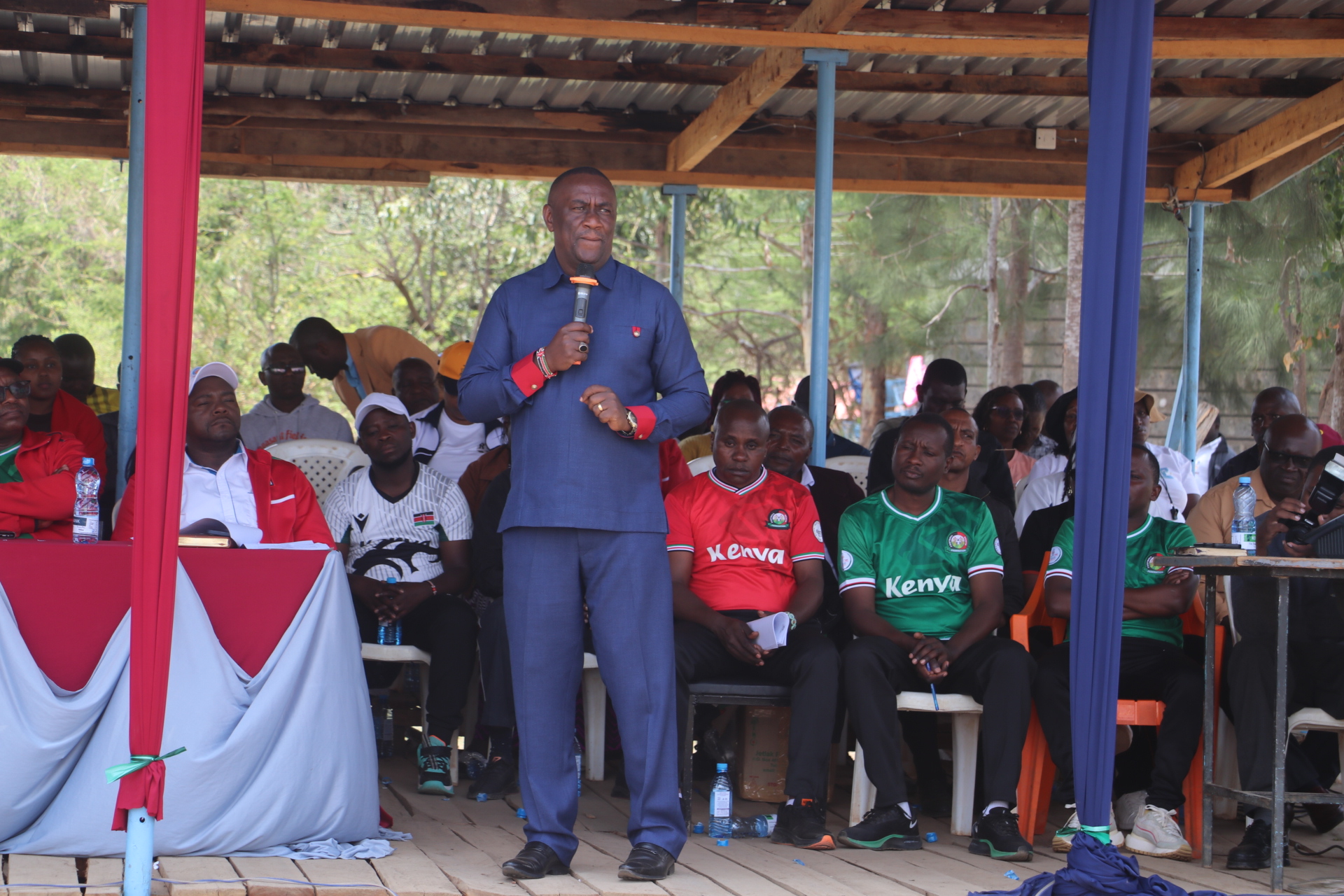
Speaking during a public participation forum on proposed education laws at Murang’a University of Technology on Wednesday, Junior School representative Polycarp Mutugi said the two levels of education require distinct management structures because of differences in their curricula, staffing and infrastructure needs.
Mr Mutugi proposed that junior schools be headed by their own principals, deputy principals and senior administrators rather than remaining under primary school headteachers. He said independent management would allow junior schools to develop budgets and programmes that directly address the needs of learners at the secondary level. “The needs of Junior Schools are different from those of primary schools. Their leadership should therefore be structured to respond to those needs,” he said.
Murang’a KUPPET Executive Secretary Thomas Kimani backed the proposal, saying separate Boards of Management would strengthen accountability and improve the implementation of the Competency-Based Curriculum. He said junior schools require adequate laboratories, classrooms, learning materials and other facilities that should be prioritised through a distinct governance and financing framework.
However, the proposal faced opposition from primary school administrators. Kenya Primary School Head Teachers Association (KEPSHA) Murang’a Branch Chairman Paul Mwaura defended the comprehensive school model and opposed efforts to separate the two sections. Mr Mwaura also questioned a proposal to make the county commissioner chairperson of the County Education Board, arguing that the leadership of the board should reflect the professional nature of education administration.
ALSO READ:
Industrial Training Bill 2026 targets better protection for Kenyans seeking jobs abroad
The stakeholders also called for stronger enforcement powers for education quality assurance officers, particularly in dealing with schools operating in unsafe conditions. Kahuro Sub-County Education Quality Assurance and Standards Officer Dr Edna Gesare proposed that quality assurance officers be granted authority to order the closure of institutions that fail to comply with prescribed safety and quality standards. She said such powers would enable authorities to act before dangerous infrastructure or other shortcomings expose learners and teachers to harm.
The forum also turned to the proposed reforms in tertiary education financing, with participants objecting to plans that could leave students relying entirely on loans to finance their studies. They urged Parliament to retain scholarships and other forms of assistance for students from vulnerable backgrounds in the proposed Tertiary Education, Placement and Funding Bill, 2026.
Participants further sought safeguards on student loan interest rates, questioning proposals that would give the Education Cabinet Secretary powers to determine the applicable rates. They said students should not be burdened with repayment obligations that could become difficult to meet after graduation.
Delayed government funding to universities was also raised as a concern, with stakeholders saying institutions continue to face operational difficulties when allocations are released late.
The forum was chaired by Kasipul MP Eve Obara, the Vice Chairperson of the National Assembly Departmental Committee on Education. She was accompanied by Gatundu North MP Elijah Njoroge, Kitutu Masaba MP Clive Ombane and Mandera South MP Abdul Haro Kore.
ALSO READ: The Eldoret National Poly takes top TVET spot in global sustainability rankings
About 100 participants attended the session, which sought views on six Bills covering various aspects of the education sector. They included the Tertiary Education, Placement and Funding Bill, 2026; Basic Education Bill, 2026; Kenya National Educational Assessments Council Bill, 2026; Pre-Service Education and In-Service Training Bill, 2026; Kenya National Qualifications Framework (Amendment) Bill, 2026; and Kenya Institute of Curriculum Development (Amendment) Bill, 2026.
The views collected will form part of Parliament’s consideration of the proposed legislation as it works to refine the legal framework governing education in Kenya.
By Kithinji Njeru
Get more stories from our website: Education News
To write to us or offer feedback, you can reach us at editor@educationnews.co.ke
You can also follow our social media pages on Twitter: Education News KE and Facebook: Education News Newspaper for timely updates.
>> Click here to stay up-to-date with trending regional stories