- Education stakeholders in Nakuru and Baringo have called for increased capitation, stronger governance and better teacher training during public hearings on the Education Reform Bills.
- KUPPET has pushed for autonomous JSS governance, while KNUT and KECSHA/KEPSHA have backed retaining the comprehensive school model.
- Stakeholders have raised concerns over funding for learners with disabilities and have urged Parliament to strengthen CEMASTEA’s role in teacher training.
Education stakeholders in Nakuru and Baringo counties have called for increased funding, stronger governance structures and better teacher training as public participation on the proposed Education Reform Bills continues.
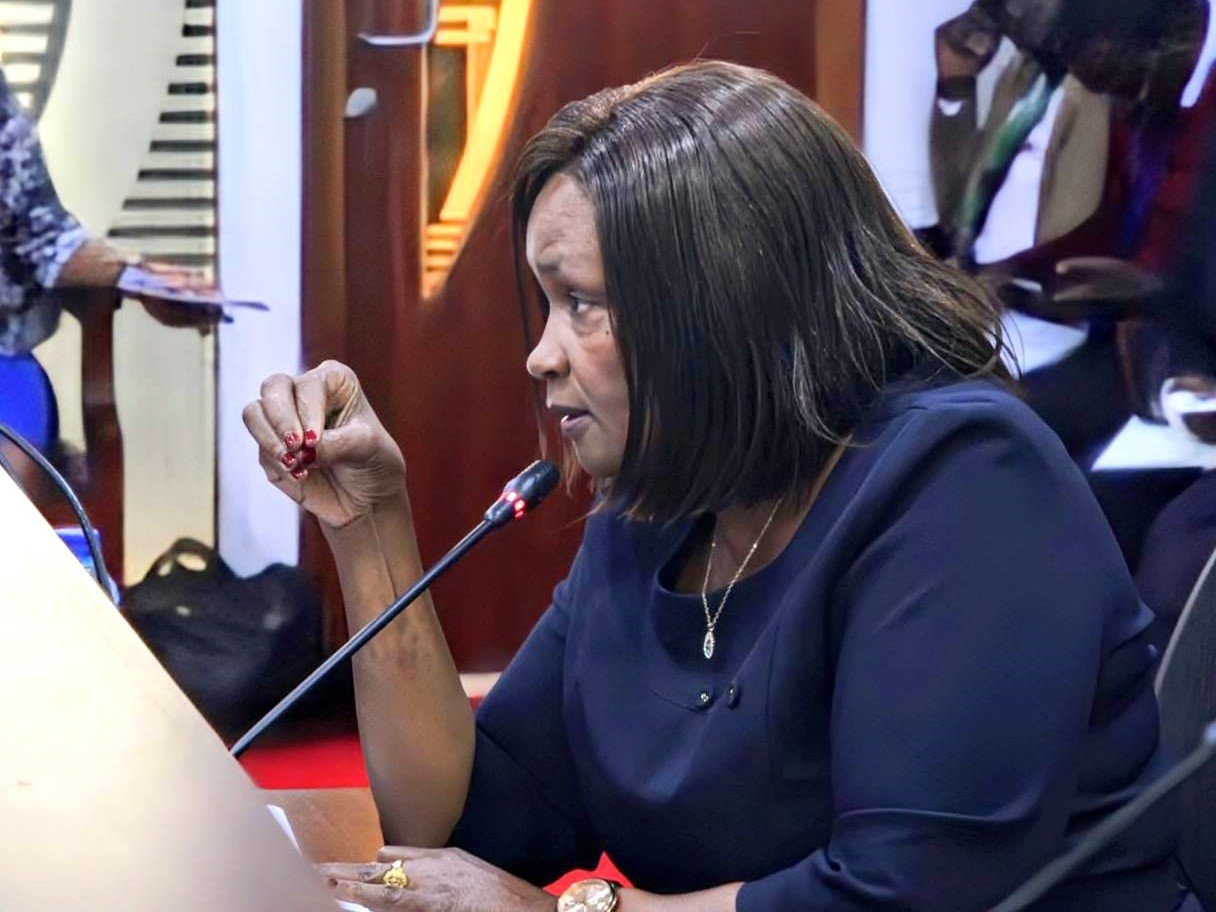
The stakeholders, who appeared before the National Assembly Education Committee during its second week of public hearings, raised concerns over inadequate capitation, the management of Junior Secondary Schools (JSS), special needs education and the professional development of teachers.
Split Views Over JSS Governance
In Nakuru, the Kenya National Union of Teachers (KNUT) and the Kenya Secondary School Heads Association/Kenya Primary School Heads Association (KECSHA/KEPSHA) backed the retention of the comprehensive school model. The heads’ associations, however, called for an increase in capitation to Sh10,000 per learner, arguing that the current funding levels were inadequate and had contributed to schools imposing additional levies on parents.
The Kenya Union of Post Primary Education Teachers (KUPPET) took a different position, calling for JSS to operate autonomously with its own governance structure and Board of Management. The union also urged Parliament to clearly define the education structure from pre-primary to Senior School in the proposed Basic Education Bill.
In Baringo, KNUT and KECSHA/KEPSHA similarly supported the comprehensive school model, with KNUT proposing that learners from pre-primary to JSS remain domiciled in primary schools. “Pre-primary up to JSS should be domiciled in primary school,” KNUT said, citing affordability and a smoother transition for learners. KUPPET, however, maintained its proposal for autonomous JSS, including separate governance structures and staff.
ALSO READ:
Teachers and their unions: What you pay and what you should get in return
Teacher development and disability inclusion
Teacher development also emerged as a major concern in both counties, with stakeholders pushing for stronger legal backing for continuous professional development. KNUT and the Centre for Mathematics, Science and Technology Education in Africa (CEMASTEA) supported statutory provisions for in-service teacher training. CEMASTEA further called for its mandate as the institution responsible for in-service teacher training to be anchored in the Basic Education Bill, while proposing that the institution be strengthened.
The plight of learners with disabilities also featured prominently during the Baringo hearings. The Special Schools Heads Association called for increased and predictable funding for learners with disabilities, inclusive infrastructure, screening centres and flexible assessment methods tailored to learners with special needs.
Stakeholders also raised concerns over education governance, with calls for education professionals to chair County Education Boards and for teachers to be represented on Boards of Management. Learners from Baringo also presented their concerns, calling for adequate classrooms and teachers, stronger career guidance, practical skills-based assessment and improved guidance and counselling services.
ALSO READ: MoE orders Kakamega High School to release Musingu footballers amid irregular transfer claims
The Nakuru delegation was chaired by Lugari MP Nabii Nabwera, while Baringo North MP Joseph Makilap led the Baringo delegation. The Committee said it had taken note of the concerns and recommendations raised, assuring stakeholders that their views would be considered and reflected in its report.
The public participation exercise is expected to continue in other parts of the country as Parliament gathers views on the proposed reforms before determining the next course of action.
By Lizzy Aluga
Get more stories from our website: Education News
To write to us or offer feedback, you can reach us at: editor@educationnews.co.ke
You can also follow our social media pages on Twitter: Education News KE and Facebook: Education News Newspaper for timely updates.
>> Click here to stay up-to-date with trending regional stories