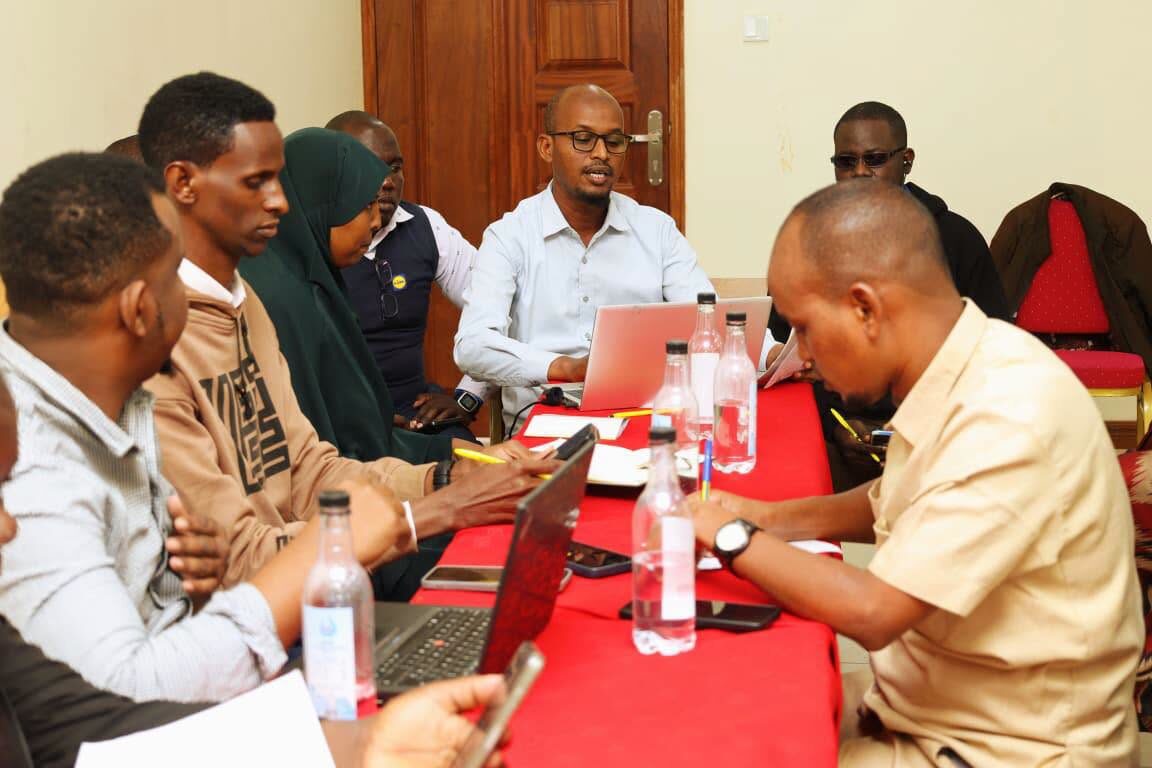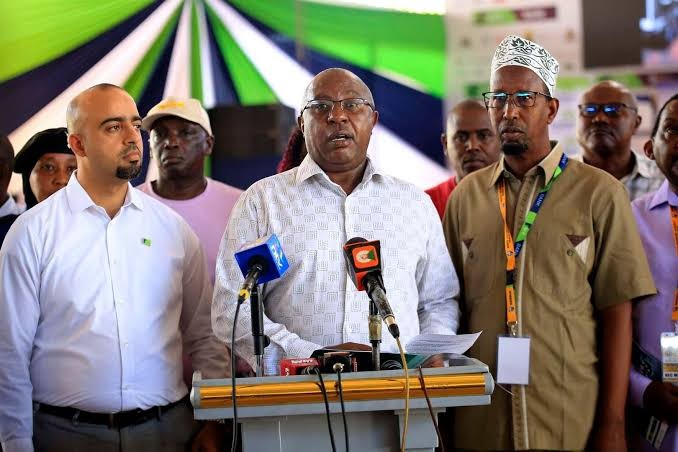
- Masenge argues that the comprehensive school model has systematically sidelined primary school teachers from leadership.
- He has warned that TSC’s grading system has effectively turned experienced primary headteachers into deputies under less experienced Junior School graduates.
- The Ministry of Education, TSC and Parliament have been urged to gazette Junior Schools as autonomous institutions with their own infrastructure, capitation and leadership.
Kenya made a historic step when we domiciled Junior School (Grades 7, 8 and 9) in primary schools. It saved infrastructure and kept learners close to home. But in solving one problem, we have created a more dangerous one: the slow, systematic erasure of the primary school teacher from leadership.
As KUPPET Nairobi, we are today declaring unequivocal support for the autonomy of Junior Schools. Not because we are against our primary school colleagues, but because we must protect primary education leadership from complete collapse.
The trap of the comprehensive school
Today, Kenya runs what is called a Comprehensive School, from Playgroup to Grade 9, under one Headteacher. On paper, it looks efficient. In practice, it is unjust.
A primary school teacher, trained in early childhood, literacy and CBC foundations, joins the Teachers Service Commission at Job Group B5. He serves for 20 years and becomes a respected Headteacher at Grade C5. A Junior School teacher, a university graduate, joins at C2 and within three years is at C3.
Under public service rules, the higher grade takes the office. Overnight, the primary Headteacher who built that school, who knows every parent and every child, becomes a deputy in his own school. His 25 years of experience is rendered inferior by a letter of deployment. This is not integration. This is a takeover.
Autonomy preserves career ladders
If Junior School becomes autonomous with its own NEMIS, its own Board and its own Principal, we will have two respected ladders: Primary School (PP1 to Grade 6) headed by primary experts, and Junior School (Grade 7 to 9) headed by Junior School experts. Every teacher will grow without stepping on the other, with no competition for one seat between B5 and C2 in one staffroom.
Primary pedagogy is not inferior; it is specialised
We have created a dangerous narrative that teaching a 5-year-old to read is less qualified than teaching a 14-year-old algebra. That is false. Foundational literacy is a specialisation, and the world over, early years teachers are the most valued. By keeping Junior School inside primary, we have told primary teachers: “You are not qualified to lead.” Autonomy affirms that primary pedagogy deserves equal recognition and its own leadership.
The law demands equality
Article 27 of our Constitution guarantees equality. Article 41 guarantees fair labour practices. Article 236 protects public officers from victimisation. You cannot have two teachers doing the same public duty under the same roof, with one permanently the boss because of entry grade, and the other permanently the subordinate. That is discrimination by design.
We must ring-fence primary headship before it is too late
TSC stopped employing P1 teachers. The P1 teacher is now an endangered species. In the next ten years, if we do not protect primary headship, all headship positions will require a degree and Grade C5 and above. The P1 teacher, the backbone of Kenyan education since independence, will never become a headteacher again. That is institutional extinction. Autonomy prevents that by ring-fencing primary headship for those in the primary career path.
ALSO READ: Human rights defender charged with child trafficking and sexual offences
How can one person effectively manage a 4-year-old in PP1 who needs motherly care, and a 15-year-old in Grade 9 going through adolescence and preparing for Senior School? They are two different psychologies, two curricula, two sets of capitation. The result is what we see today: primary sections neglected, ECDE forgotten, Junior School labs unfunded. Separation will bring efficiency.
We are not calling for division. We are calling for justice.
We call upon the Ministry of Education, TSC and Parliament, as they debate the Basic Education Bill, 2026, to gazette Junior Schools as autonomous institutions, with their own infrastructure grants, their own capitation and their own leadership. Let primary remain primary. Let Junior School stand on its own. Only then will we have protected the primary teacher from being pushed out of administration forever, and only then will we give quality education to both the 6-year-old and the 15-year-old. The teacher who taught Kenya to read deserves to still lead a school.
By Isaac Masenge
Masenge is the Executive Secretary, Kenya Union of Post Primary Education Teachers (KUPPET), Nairobi Branch. Email: kuppetnairobi@gmail.com
Get more stories from our website: Education News
To write to us or offer feedback, you can reach us at: editor@educationnews.co.ke
You can also follow our social media pages on Twitter: Education News KE and Facebook: Education News Newspaper for timely updates.
>> Click here to stay up-to-date with trending regional stories