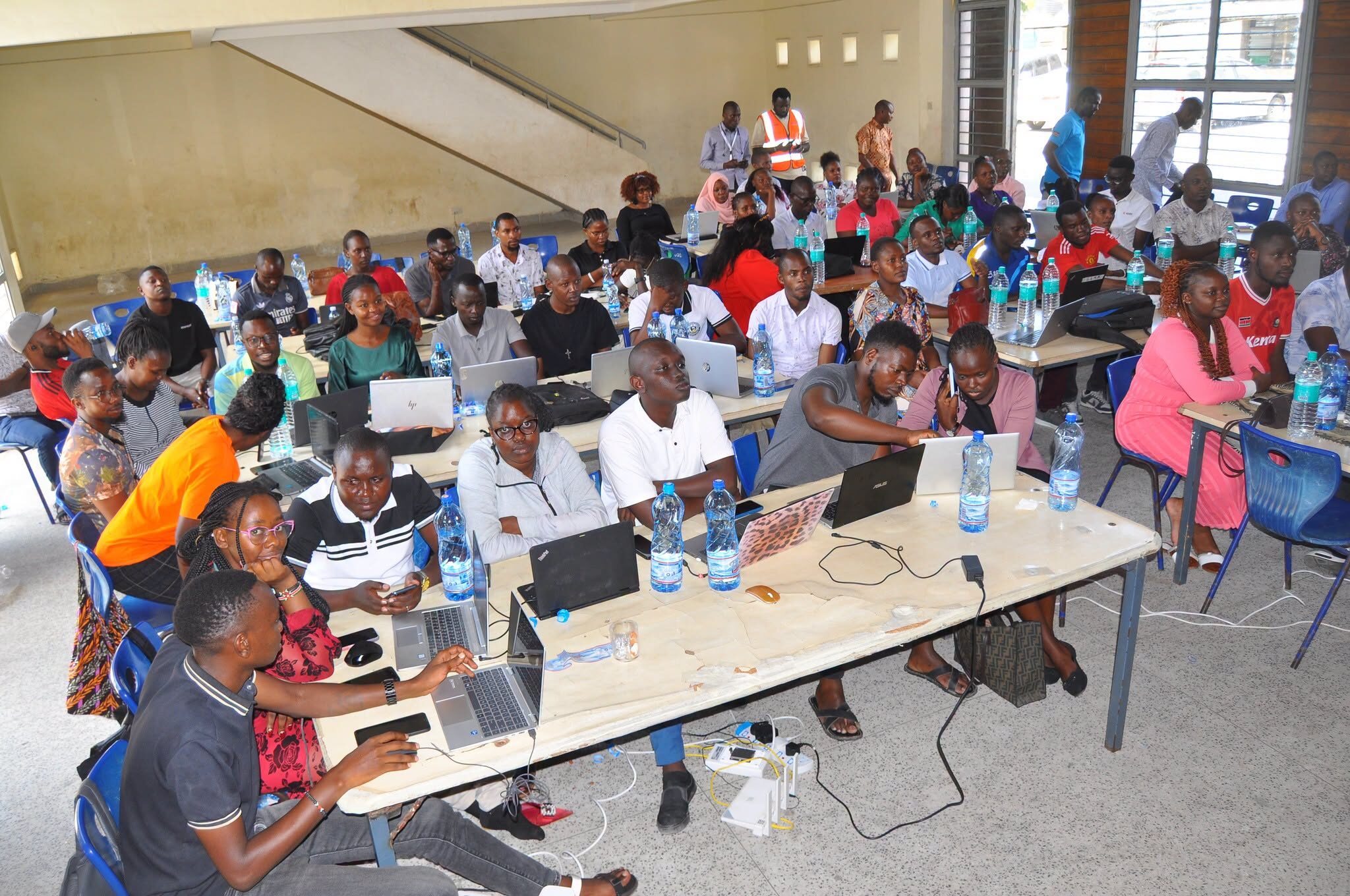
- Gender-disaggregated data is essential for revealing disparities in Kenya’s schools, hospitals and markets that general statistics often conceal.
- Data can inform more effective education, healthcare and market interventions tailored to the distinct needs of women, men, girls and boys.
- County governments have been urged to make gender data a routine tool for planning, budgeting and accountability under devolution.
In the pursuit of equitable development, data is more than a collection of figures. It is a mirror through which society examines its achievements, confronts its inequalities and identifies the people who remain invisible in public planning. When properly collected, analysed and applied, gender-disaggregated data can transform how governments understand the needs of women, men, girls and boys. This is why the conversation about gender data in Kiambu County’s schools, hospitals and markets deserves attention beyond the boundaries of the county.
For many years, development discussions have relied on general statistics that describe populations without revealing how different groups experience public services. A report may indicate that a school has a particular number of learners, a hospital has treated thousands of patients or a market has hundreds of traders. However, such figures do not necessarily reveal who is benefiting, who is excluded or who faces unique barriers. Without knowing how these numbers are distributed between males and females, decision-makers may design programmes that appear inclusive but fail to respond to actual needs.
What Gender Data Reveals in Education
Gender data addresses this gap by making people visible in statistics. In education, for instance, information on the enrolment, attendance, transition, completion and performance of boys and girls can help administrators identify inequalities. A school may have almost equal numbers of boys and girls at admission, yet experience significant differences in attendance or completion. Such disparities may be associated with poverty, teenage pregnancy, menstrual health challenges, household responsibilities, insecurity, disability or social expectations. Without reliable data, these challenges can remain hidden behind an apparently satisfactory enrolment figure.
The importance of gender-sensitive information is particularly relevant as Kenya continues to implement competency-based education. The success of education cannot be measured merely by the number of learners sitting examinations. It must also be examined through participation, talent development, access to learning resources, acquisition of competencies and progression into further education or training. If girls and boys are participating differently in science, technology, sports, creative arts or technical subjects, schools need evidence to understand the reasons. Gender data can guide the provision of facilities, mentorship, learning materials and career guidance without relying on assumptions about what boys or girls can achieve.
The same principle applies to teachers and education administrators. Information about the gender composition of teaching staff, leadership positions, professional development opportunities and workplace responsibilities can reveal patterns that require attention. A school may have a large number of female teachers but few women in leadership, or it may have a significant number of male learners but inadequate programmes addressing their social and emotional needs. Data should not be used to create competition between genders; rather, it should help institutions recognise different challenges and provide appropriate support.
ALSO READ:
Kenya’s university population crosses 707,000 mark as CUE flags Staffing and infrastructure gaps
The Case for Gender Data in Healthcare and Markets
In healthcare, the absence of gender-disaggregated data can have serious consequences. Men and women may experience different health risks, access healthcare differently and face distinct social or economic barriers. Women may require services related to maternal health, reproductive health and gender-based violence, while men may delay seeking treatment for certain conditions because of social expectations surrounding masculinity. Girls and boys may also have different nutritional, mental-health and adolescent-health needs.
A hospital that records only the total number of patients treated may overlook these differences. By documenting patient attendance, diagnosis, treatment, referrals and outcomes according to sex, age and other relevant characteristics, healthcare planners can identify underserved groups. In Kiambu, such information could help county authorities determine whether health facilities are adequately responding to the needs of women, men, girls, boys, older persons and people living with disabilities, while also supporting more effective allocation of medicines, healthcare personnel, equipment and outreach services.
Gender data is equally significant in markets, where economic activity is often more complex than official records suggest. Women play important roles in retail trade, food vending, agriculture, small-scale manufacturing and informal businesses. Men are also engaged in these activities, although the nature and scale of their participation may differ. A market development programme that counts traders without identifying their gender, business type, income levels, access to credit and working conditions may fail to address the actual obstacles faced by different groups.
For example, women traders may encounter challenges related to childcare, insecurity, access to affordable credit, market infrastructure and ownership of productive assets, while men, particularly young men, may face difficulties related to unemployment, financial exclusion and limited access to business opportunities. These challenges should be investigated through evidence rather than stereotypes. Gender-responsive data can help county governments design market facilities, training programmes, financing initiatives and social protection measures that respond to real circumstances.
Turning Data Collection into Practical Governance
However, collecting data is only the beginning. Its value depends on accuracy, regular updating, ethical handling and practical application. County departments must coordinate their information systems so that education, health, trade and social services do not operate as isolated islands. Officials should also be trained to interpret statistics correctly and communicate findings in ways that communities can understand. Personal information must be protected, particularly where data concerns health, violence, children or vulnerable households.
There is also a need to ensure that data represents the experiences of people in rural areas, informal settlements and marginalised communities. Statistics collected only from easily accessible institutions may present an incomplete picture. Women working in informal markets, boys who have dropped out of school, girls facing period poverty and patients unable to reach hospitals must not disappear from official records. Community participation can help authorities understand the realities behind the figures.
The publication of county gender datasheets by the Kenya National Bureau of Statistics and its partners demonstrates the importance of establishing a common evidence base for gender equality and inclusive development. Such information can support planning, budgeting and monitoring under devolution. However, the true test lies in whether the data influences decisions, improves services and strengthens accountability.
Embu Women’s Prison to get KSh9 million mother and child unit
For Kiambu and other counties, gender data should become a routine instrument of governance rather than a document produced and forgotten. Every budget, school improvement plan, hospital programme and market development project should ask a fundamental question: who benefits, who is left behind and what does the evidence tell us?
A society cannot solve inequalities that it refuses to see. By making the experiences of women, men, girls and boys visible, gender data allows public institutions to plan more fairly and serve more effectively. Numbers alone cannot transform lives, but responsible use of numbers can guide the decisions that do.
By Ashford Kimani
Ashford is a teacher of English and Literature and writes on education, literacy and youth development.
Get more stories from our website: Education News
To write to us or offer feedback, you can reach us at: editor@educationnews.co.ke
You can also follow our social media pages on Twitter: Education News KE and Facebook: Education News Newspaper for timely updates.
>> Click here to stay up-to-date with trending regional stories