- Yabesh Onwonga argues that Kenya’s education problems persist because known weaknesses remain inadequately addressed.
- He says teacher shortages, inequality, weak accountability and inadequate resources continue undermining classroom learning.
- Onwonga calls for long-term education priorities that survive political cycles and deliver measurable results.
The latest international assessment on Kenya’s education system should trigger more than another government press statement, another committee meeting and another promise to “address the challenges.” It should trigger embarrassment.
The United Nations Educational, Scientific and Cultural Organization (UNESCO) has once again placed the fundamentals of education under the spotlight: teachers, learning materials, foundational skills, equity and the conditions in which children learn. UNESCO’s education analysis for Africa makes the message painfully clear: countries cannot build strong economies while millions of children struggle to acquire basic learning competencies.
Kenya, however, has become remarkably good at diagnosing problems without fixing them.
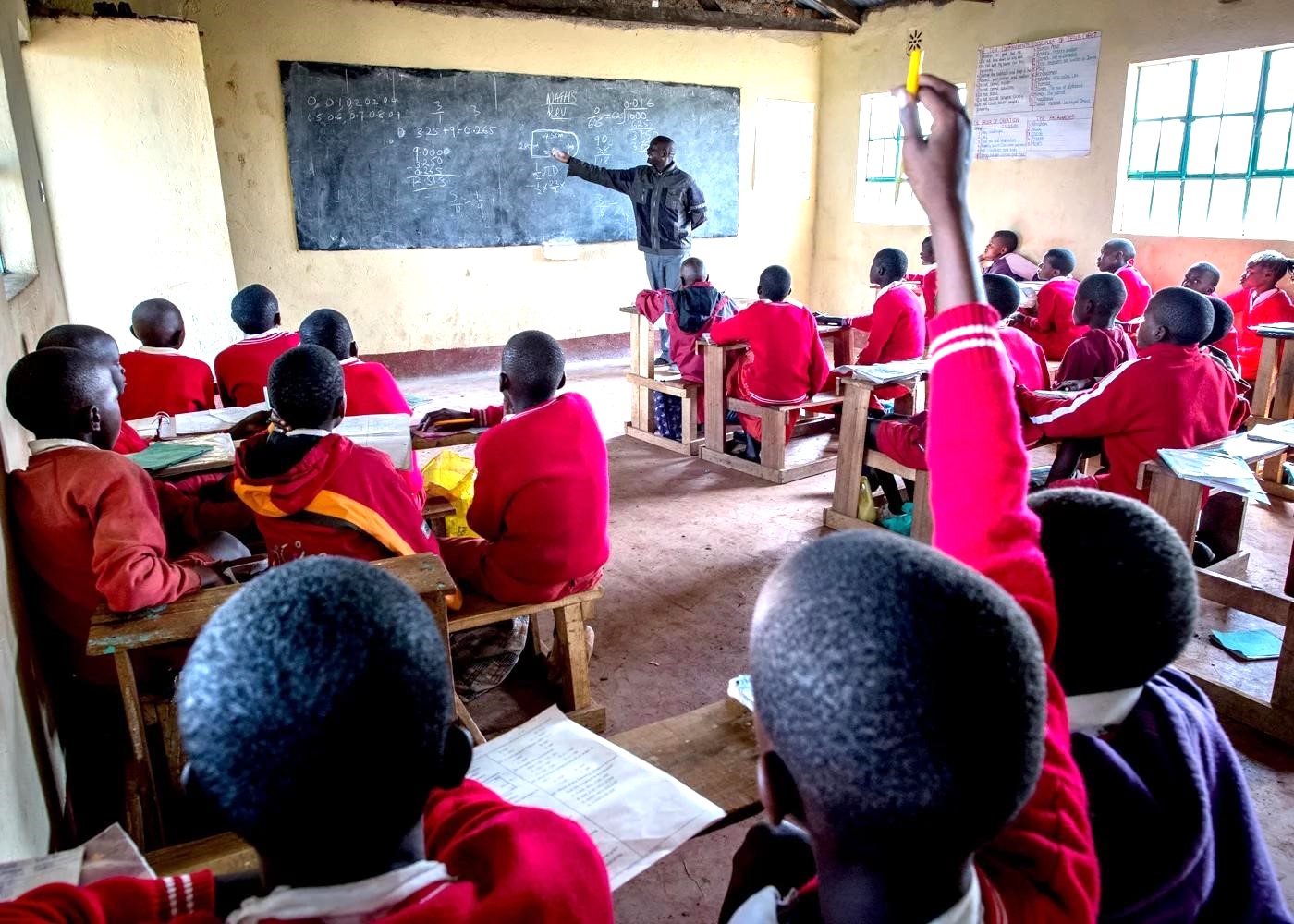
For years, we have known that public schools have teacher shortages. We know some classrooms are overcrowded. We know learning materials are inadequate in some schools. We know infrastructure is unequal. We know children from poor and marginalised communities face greater disadvantages.
So what exactly are we waiting for?
Another report?
Another task force?
Another education summit where officials congratulate one another for identifying problems already known to parents and teachers?
This is not a mystery. It is a failure of political will.
Kenya’s education debate has become dangerously detached from the classroom.
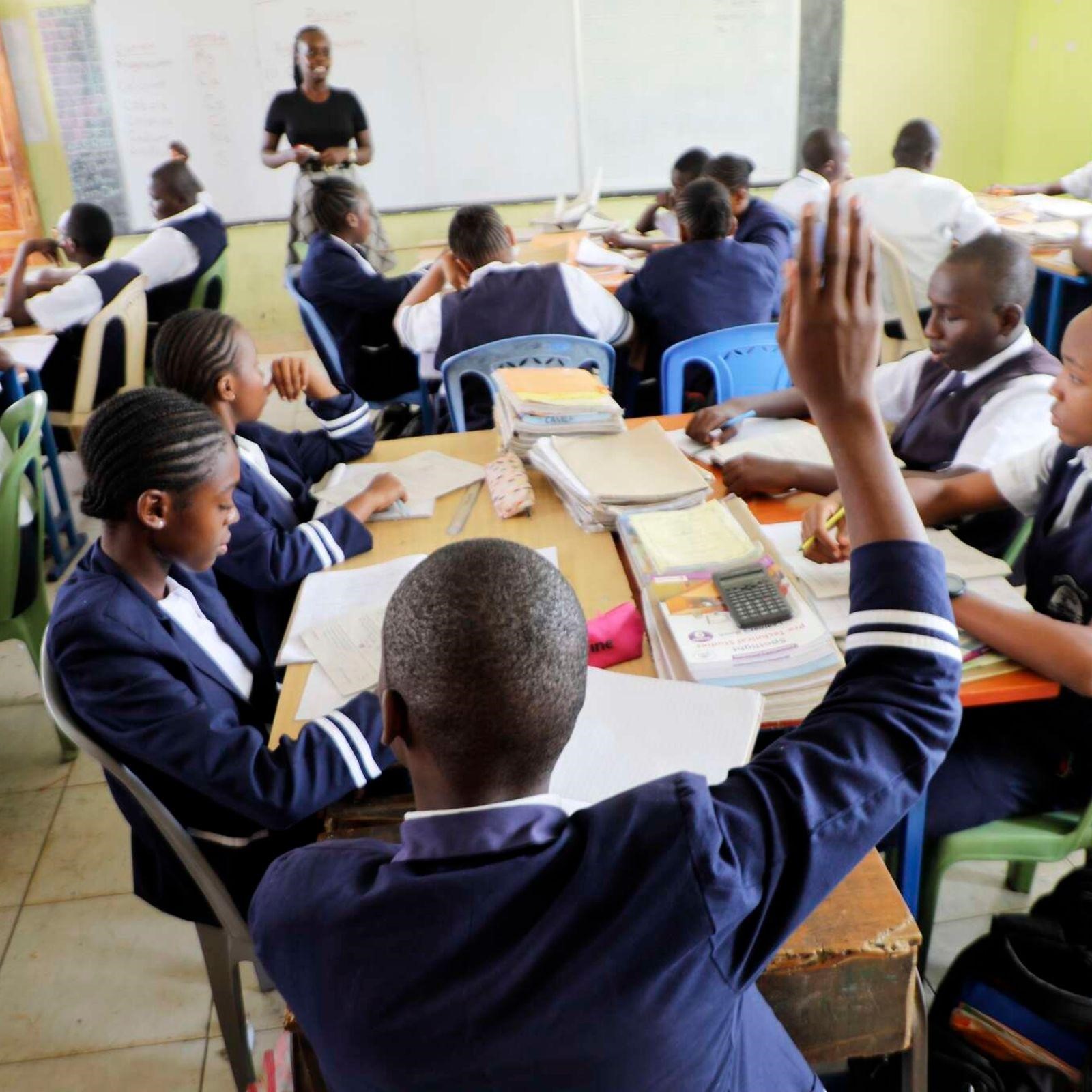
Government officials speak grandly about digital learning, artificial intelligence, innovation, the knowledge economy and globally competitive skills. Meanwhile, some teachers are struggling with basic staffing gaps and inadequate teaching resources.
That contradiction should anger every Kenyan taxpayer.
You cannot sell a child the dream of becoming an artificial-intelligence engineer when the system has failed to guarantee the fundamentals of reading, writing, mathematics and critical thinking.
A tablet is not a teacher. A curriculum document is not a textbook. A computer laboratory is not a substitute for a competent teacher standing in front of a manageable class.
And yet policymakers repeatedly behave as though technology can conceal structural failures.
It cannot.
The first political reckoning must therefore be with teacher shortages.
The Government knows where teachers are needed. The Teachers Service Commission knows where vacancies exist. County and national education officials know which schools are struggling. The data is not the problem.
The question is why children continue sitting in classrooms without enough teachers.
Recruitment must become transparent and needs-based. Schools should be assessed according to actual staffing requirements, while hardship and remote areas should receive serious incentives to attract and retain teachers.
But there is another uncomfortable question: where is the accountability for the billions already committed to education?
Parents are constantly asked to contribute. Teachers are constantly asked to do more with less. Schools are constantly told to implement new reforms.
Meanwhile, taxpayers have every right to demand evidence that education funds are reaching classrooms.
Procurement delays, wastage and corruption cannot be treated as technical inconveniences. Every shilling lost or delayed potentially represents a textbook not delivered, a classroom not repaired or a learning opportunity denied.
Inequality remains a major fault line
The second scandal is inequality.
Kenya pretends to have one education system, yet the experience of a child in an elite private school can be worlds apart from that of a child in a struggling public institution.
That is not merely an education gap. It is a social time bomb.
Children do not choose the income of their parents. They do not choose whether they are born in an affluent neighbourhood or a marginalised community. They should not have their futures predetermined by the quality of the school available to them.
Funding must therefore follow need.
Schools serving poor communities, children with disabilities and learners in marginalised or remote areas should receive greater support, not identical allocations dressed up as fairness.
And Kenya must stop confusing access with achievement.
Putting children in classrooms is not enough. Moving them from one grade to another is not enough. Sitting examinations is not enough.
The real measure is brutally simple: Can the child read? Can the child understand? Can the child calculate? Can the child reason? Can the child solve a problem without being spoon-fed?
If the answer is no, then the system has failed—regardless of how impressive the policy document looks.
Stop turning education into a political laboratory
There is also a need to stop turning education into a political laboratory.
Every administration wants its own signature reform. Every new minister wants another initiative. Every political cycle produces another set of promises.
Children are the ones paying the price for this institutional restlessness.
Kenya needs a long-term national education compact that survives elections and ministers. Its priorities should be non-negotiable: adequate teachers, decent infrastructure, sufficient learning materials, strong foundational learning, properly supported teachers, equitable financing and ruthless accountability.
And the Government should publish measurable targets and report publicly on progress.
No more hiding behind jargon.
No more celebrating enrolment figures while avoiding questions about learning.
No more launching reforms without financing them.
No more blaming teachers for failures created by policy and resource shortages.
UNESCO’s warning should be a wake-up call. But Kenya does not need another warning.
It needs action.
The uncomfortable truth is that Kenya’s education crisis is not primarily a shortage of ideas. It is a shortage of execution, accountability and political courage.
Our leaders have had years to fix these problems.
READ ALSO: Parents can now verify Grade 10 school selections on KEMIS portal
They cannot keep asking the next generation to wait.
The children are already in the classrooms. The excuses should be out of them.
By Yabesh Onwonga
Get more stories from our website: Education News
To write to us or offer feedback, you can reach us at: editor@educationnews.co.ke
You can also follow our social media pages on Twitter: Education News KE and Facebook: Education News Newspaper for timely updates.
>> Click here to stay up-to-date with trending regional stories