- Busia County Government and World Vision have launched a joint initiative to strengthen and harmonise school feeding programmes across the county.
- Stakeholders have calledfor stronger local supply chains linking farmers directly to school meal programmes.
- Participants have receivedtraining on budget advocacy to support alignment with Kenya’s 2024–2030 national school meals framework.
The County Government of Busia, in partnership with World Vision, has launched a multi-stakeholder initiative aimed at strengthening and harmonising school feeding programmes across the county.
The initiative seeks to establish a coordinated and sustainable school meals system that promotes pupils’ health, nutrition and learning outcomes, while reducing fragmentation in the implementation of feeding programmes.
Speaking during a stakeholders’ dialogue, Busia County Executive Committee Member (CECM) for Education and Vocational Training, Beatrice Nakholi, reaffirmed the county government’s commitment to placing child health and education at the centre of its development agenda. She said the county was focused on developing structured school feeding frameworks capable of addressing the nutritional needs of learners while supporting improved participation and academic performance.
World Vision Manager for Busia, Trans Nzoia and Kakamega, Joseph Egesa, called for greater emphasis on homegrown solutions that link local farmers and agricultural producers directly to school feeding programmes. He said strengthening local supply chains would not only improve access to nutritious food for learners but also create markets for farmers and stimulate local economic activity.
Baringo: Rising lakes turn school journeys into a daily battle for learners
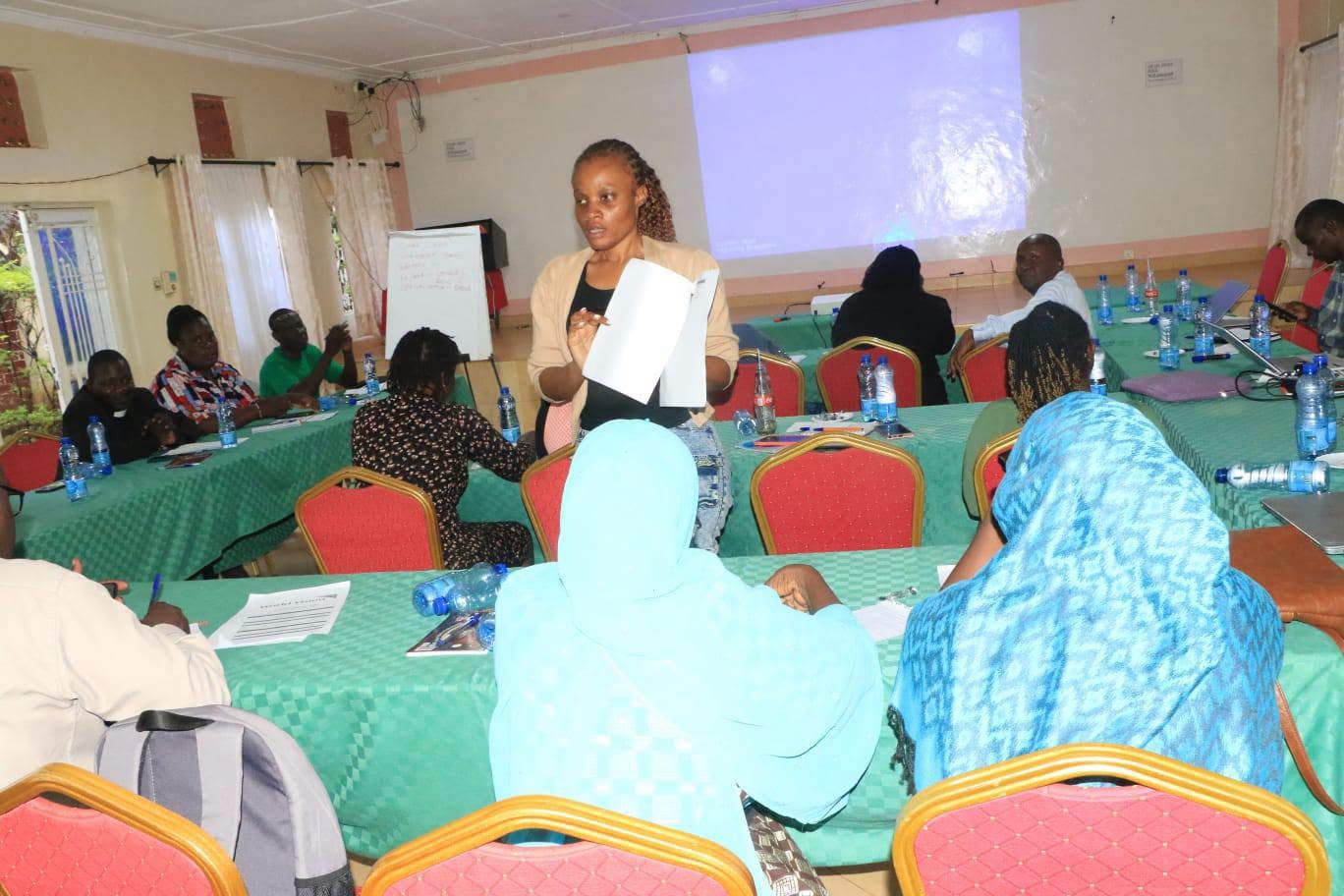
The dialogue also brought together technical experts and representatives from government and civil society organisations. Richard Miruka made a presentation on the Tuimarishe Lishe Bora Shuleni project, while Dennis Nabiswa represented the State Department during the discussions.
Participants were taken through policy and budget-making processes, policy advocacy and public finance management, with particular focus on strengthening their capacity to analyse budgets and advocate for increased investment in school meals programmes. Organisers said the training would enable stakeholders to use evidence and budget data to influence policy decisions and ensure adequate resources are allocated to school feeding initiatives.
The programme is also designed to move Busia away from fragmented and isolated county-level interventions towards a unified school meals system aligned with Kenya’s 2024–2030 national school meals framework.
ALSO READ: Drug and substance abuse blamed for rising unrest, poor performance in Rift Valley schools
Under the proposed arrangement, the County Department of Education and Vocational Training will provide strategic leadership, planning and budget integration, while World Vision, civil society organisations, faith-based leaders and school communities will support implementation, mobilisation and grassroots outreach.
Stakeholders said stronger collaboration between government, development partners, communities and local agricultural producers would be critical in building a sustainable school feeding programme capable of improving learner welfare and educational outcomes across Busia County.
By Godfrey Wamalwa
Get more stories from our website: Education News
To write to us or offer feedback, you can reach us at: editor@educationnews.co.ke
You can also follow our social media pages on Twitter: Education News KE and Facebook: Education News Newspaper for timely updates.
>> Click here to stay up-to-date with trending regional stories