- Clinical officers are expected to return to West Pokot public health facilities within 24 hours.
- A return-to-work agreement addresses CBAs, risk allowances, career progression and employment terms for UHC staff.
- The agreement ends a 48-day strike that disrupted healthcare services across the county.
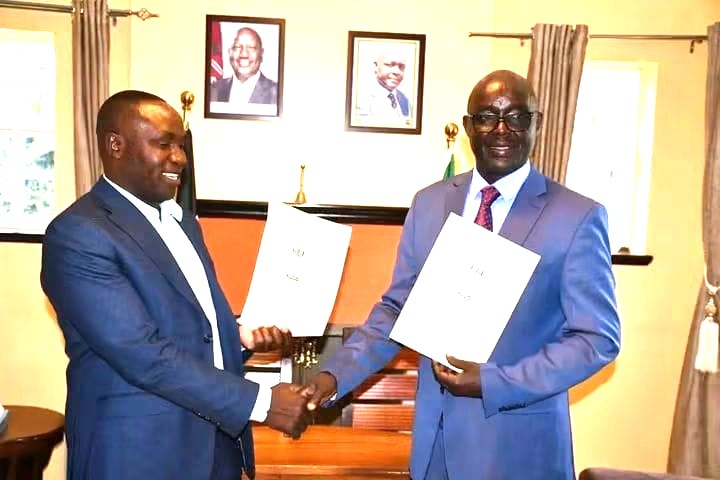
After 48 days of disrupted healthcare services, clinical officers across West Pokot County are expected to return to their stations within the next 24 hours following the official calling off of the Kenya Union of Clinical Officers (KUCO) strike. The return-to-work agreement was reached following negotiations between KUCO and the West Pokot County Government.
The development offers relief to thousands of patients who have faced interruptions in accessing services at public health facilities during the prolonged industrial action.
KUCO ended the strike after negotiations culminated in the signing of a Return-to-Work Agreement, providing a framework for resolving some of the key grievances that triggered the walkout.
At the centre of the agreement are issues concerning Collective Bargaining Agreements (CBAs), risk allowances, career progression and the issuance of Permanent and Pensionable (PnP) letters for Universal Health Coverage (UHC) staff. The agreement follows a strike notice issued on July 7, 2026.
The agreement now places the spotlight on implementation, as clinical officers resume work while expecting the commitments reached through negotiations to translate into concrete action.
What the agreement means for West Pokot
For West Pokot, the return of clinical officers could significantly improve the functioning of public health facilities, where clinical officers play a central role in diagnosis, treatment, referrals and other frontline services.
The prolonged industrial action had disrupted public healthcare in the county, with patients reportedly turning to private facilities and incurring higher treatment costs. A Kenya News Agency report during the strike found services severely affected at facilities including Kapenguria County Teaching and Referral Hospital.
The resumption of duty is therefore more than an end to an industrial dispute. It marks the return of an important cadre of healthcare professionals to the frontline at a time when public facilities continue to serve large numbers of residents.
Health facilities are expected to reorganise services as clinical officers report back to work, while patients who postponed treatment or sought alternative care can begin returning for medical attention.
The most important test now will be whether the commitments contained in the Return-to-Work Agreement are implemented within the agreed framework.
The issues raised by clinical officers go beyond remuneration.
Career progression remains important because health professionals need predictable pathways for professional growth, promotion and recognition of increasing responsibilities.
Risk allowances are equally significant because clinical officers routinely work in environments involving occupational and other risks.
For UHC staff, the question of Permanent and Pensionable employment has also been central to concerns about job security and long-term career stability.
The agreement therefore provides an opportunity to move the dispute from the streets and negotiation tables to implementation desks.
KUCO National Secretary General George Gibore said cooperation between healthcare workers, unions and governments was critical to resolving disputes and strengthening healthcare delivery.
“UHC can only be achieved through unity between healthcare workers, unions and governments. When we come together, listen to one another and work towards common solutions, we can resolve challenges and build a stronger health system that serves our communities better,” Gibore said.
Patients remain the biggest beneficiaries
Ultimately, the strongest measure of the agreement will be its effect on patients.
Every day that a frontline health worker remains away from a public facility can translate into delayed diagnosis, postponed treatment and additional pressure on other healthcare workers.
The return of clinical officers should consequently help restore normal operations and reduce pressure on health facilities that continued serving patients during the strike.
For residents of West Pokot, the immediate message is clear: clinical officers are expected back at work within the next 24 hours.
For the county health system and the authorities involved in the negotiations, however, the work does not end with the return to duty.
READ ALSO: South Imenti MP pushes for Marimba Campus elevation to standalone university
The next chapter is about ensuring that the promises that brought the 48-day strike to an end are honoured.
By Hillary Muhalya
Get more stories from our website: Education News
To write to us or offer feedback, you can reach us at: editor@educationnews.co.ke
You can also follow our social media pages on Twitter: Education News KE and Facebook: Education News Newspaper for timely updates.
>> Click here to stay up-to-date with trending regional stories