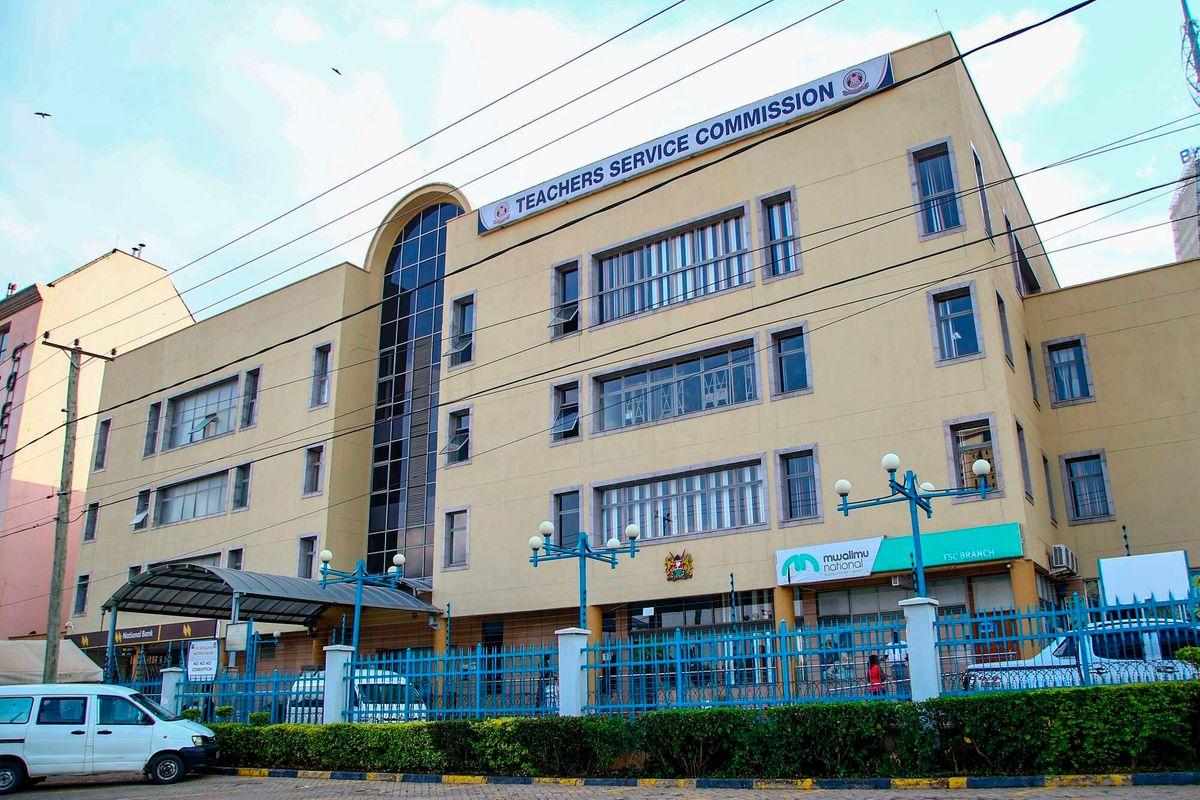
- A retired TSC officer recalls the pride and discomfort of interviewing former students for senior promotional grades.
- Drawing from personal experience, he questions whether supervisory responsibility and career progression are adequately aligned within the Commission.
- He argues that teachers should advance on merit without leaving those entrusted with supervising them structurally disadvantaged.
As the TSC promotional interviews for next week approach, I find myself travelling back in memory to a chapter of my career that still evokes mixed emotions.
I remember the days when I sat on interview panels, interviewing teachers for promotional grades. What made those interviews particularly memorable was that some of the candidates were teachers I had once taught.
I had stood before them in a classroom, guided them, corrected them and watched them grow. Years later, I found myself sitting across the table from them, assessing them for promotional grades — some of which were higher than the grade I had attained before retiring from the TSC.
I still remember the feeling whenever a former student walked into the interview room.
For a moment, I would see the learner I once taught rather than the professional sitting before me. I remembered the classroom, the lessons and the young person who was still finding their way.
Yet here they were years later, now experienced teachers seeking to climb the career ladder.
It was a strange reversal of roles.
I was the officer interviewing them, but some of them were being considered for grades above mine.
I must admit that, as an officer, this sometimes troubled me. Not because I begrudged my former students their success. On the contrary, I was immensely proud of them.
The teacher in me celebrated whenever someone I had taught progressed.
But the officer in me also questioned the implications of having supervisors positioned below some of the teachers they are expected to supervise in the grading structure.
This is an issue that the Teachers Service Commission deserves to examine carefully.
When responsibility and grade do not align
In my view, an officer should not ordinarily find themselves in a lower grade than the teachers they are responsible for supervising.
A supervisor being placed below those they supervise can create an uncomfortable contradiction in an organisation. It can weaken the perceived authority of the office, create questions about career progression and affect the morale of officers expected to provide leadership while seeing those under their supervision advance beyond them.
There are also practical implications.
First, it can undermine perceived supervisory authority. An officer may be legally and administratively responsible for supervising employees who occupy higher grades, but the disparity can create an awkward perception that the person giving direction is professionally ranked below the person receiving it.
Second, it can affect motivation. Officers who spend years supervising others may begin to feel that taking up administrative responsibilities has disadvantaged their own career progression. This could discourage experienced teachers from accepting supervisory and administrative roles.
Third, it can create resentment and unhealthy workplace dynamics. A former student who has become a senior teacher may find themselves being supervised by someone in a lower grade.
Even where both parties are professional, such an arrangement can generate tension, especially when decisions concerning performance, deployment, discipline or appraisal are involved.
Fourth, it may discourage career advancement into administration. If teachers see that moving into an officer or supervisory position does not necessarily come with corresponding career progression, some may prefer to remain in teaching and pursue promotional grades there instead.
In the long run, this could make administrative and supervisory positions less attractive.
Finally, it can diminish the sense of institutional fairness.
Career structures should provide a clear relationship between responsibility, authority and remuneration. Where an officer carries greater responsibility but remains in a lower grade than some of the people they supervise, questions naturally arise about whether the grading structure adequately recognises that responsibility.
Let students surpass their teachers
I say this not as someone bitter about retirement, but as someone who has lived through the system.
I have seen former students surpass their teachers, and I celebrate that.
There is nothing wrong with a student eventually becoming more successful than the person who taught them. In fact, that is one of the greatest rewards of teaching.
The problem, in my view, arises when the organisational structure places a supervisor below some of the people he or she is mandated to supervise.
TSC should therefore consider reviewing the grading and career progression of officers to ensure that responsibility, authority, qualifications, experience and grade are properly aligned.
Officers entrusted with supervision should have a clear and competitive career path that does not leave them permanently disadvantaged compared with those they supervise.
As the promotional interviews approach, I wish every teacher appearing before the panels the very best.
May merit prevail, and may those who deserve promotion get it.
But I also hope that the Commission will look beyond individual promotions and examine the bigger picture.
Because I have lived the irony personally.
I taught them.
I supervised some of them.
I interviewed some of them.
And eventually, some of those I taught attained grades higher than mine.
I am proud of them. I truly am.
But I also believe that a good institution must ensure that the people entrusted with leadership are not structurally left behind by the people they lead.
Let students surpass their teachers — that is progress. But let the system ensure that those entrusted with supervision are given a fair and logical career structure.
READ ALSO: Why parents and schools must work together on learner discipline
That is not about preventing anyone from rising.
It is about making sure that leadership, responsibility and career progression rise together.
By a Retired TSC Officer
Get more stories from our website: Education News
To write to us or offer feedback, you can reach us at: editor@educationnews.co.ke
You can also follow our social media pages on Twitter: Education News KE and Facebook: Education News Newspaper for timely updates.
>>> Click here to stay up-to-date with trending regional stories