- Schools in Bungoma County have begun cultivating Nyota beans through a HarvestPlus initiative aimed at improving learner nutrition and building practical farming skills.
- Parents have been urged to grow and supply the beans to schools as a contribution towards education expenses.
- The programme will help learners acquire agricultural knowledge while promoting healthy diets across 150 targeted schools.
Schools in Bungoma County are turning to Nyota beans to improve learners’ nutrition while exposing them to practical farming and income-generating opportunities.
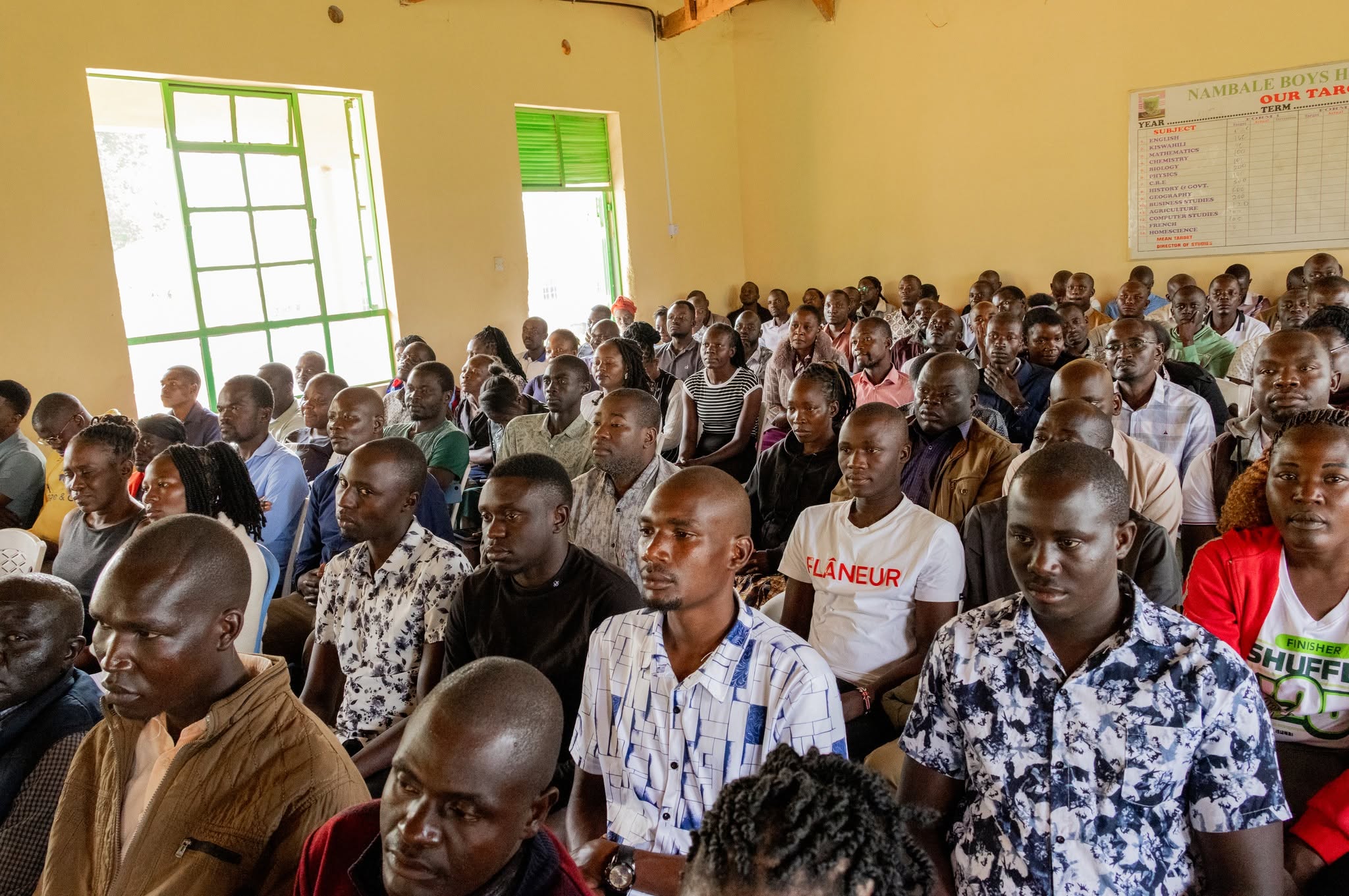
The initiative, spearheaded by HarvestPlus, seeks to promote the cultivation and consumption of the biofortified red iron bean variety in schools as part of efforts to address nutritional challenges and support better learning outcomes. School principals drawn from across the county were recently sensitised on the nutritional and economic benefits of Nyota beans and how the crop can be integrated into school farming programmes.
Each participating school received 24 kilogrammes of Nyota bean seed for planting and multiplication on school farms. The programme targets 150 schools, with each institution expected to establish a one-acre plot dedicated to Nyota beans.
Chief Officer for Cooperative Development Timothy Wanjala, who officially opened the training, urged school administrators to embrace the initiative and explore ways of linking agriculture with education and household food security. Wanjala proposed that parents could grow the beans and supply them to schools as part of their contribution towards education expenses. “We need to devise a way in which parents can plant the beans and bring them to school as part of the school fees,” he said, adding that the approach could help ease the financial burden on parents while strengthening agricultural production at the household level.
ALSO READ:
TSC effects principal changes across Mt. Kenya Region schools
Nyota beans are rich in iron and other essential nutrients required for healthy growth and development. Adequate iron intake is particularly important among school-going children as it supports energy levels, cognitive development and concentration.
HarvestPlus Country Representative Dr Peninah Muoki encouraged schools to embrace both the production and consumption of Nyota beans, saying the initiative would help promote healthy diets among learners. Dr Muoki said introducing nutrient-rich crops in schools would enable children to acquire agricultural knowledge and appreciate the importance of proper nutrition from an early age, noting that learners could subsequently transfer the knowledge gained at school to their families, contributing to improved farming practices and dietary choices at household level.
ALSO READ: Residents urged to embrace alternative livelihoods to curb school dropouts linked to gold mining in Kuria
Bungoma produces an estimated 52,000 metric tonnes of beans annually and is also a major consumer of the crop. However, the county continues to import beans from neighbouring countries to bridge the supply deficit. Stakeholders say the situation presents an opportunity for local farmers to increase production, earn additional income and take advantage of the ready market. The school-based Nyota bean programme could also support seed multiplication and encourage wider adoption of the variety by farmers and households across the county.
Beyond improving school feeding programmes, the initiative is expected to give learners hands-on experience in agriculture, enabling them to understand the relationship between food production, nutrition, health and academic performance. Stakeholders believe the programme could strengthen collaboration between schools, parents, farmers and agricultural organisations while positioning schools as important centres for promoting food security and nutrition-sensitive agriculture. The adoption of Nyota beans is consequently expected to deliver a double benefit to Bungoma, improving access to nutritious food for learners while creating opportunities for farmers to increase production and household incomes.
By Godfrey Wamalwa
Get more stories from our website: Education News
To write to us or offer feedback, you can reach us at: editor@educationnews.co.ke
You can also follow our social media pages on Twitter: Education News KE and Facebook: Education News Newspaper for timely updates.
>>> Click here to stay up-to-date with trending regional stories