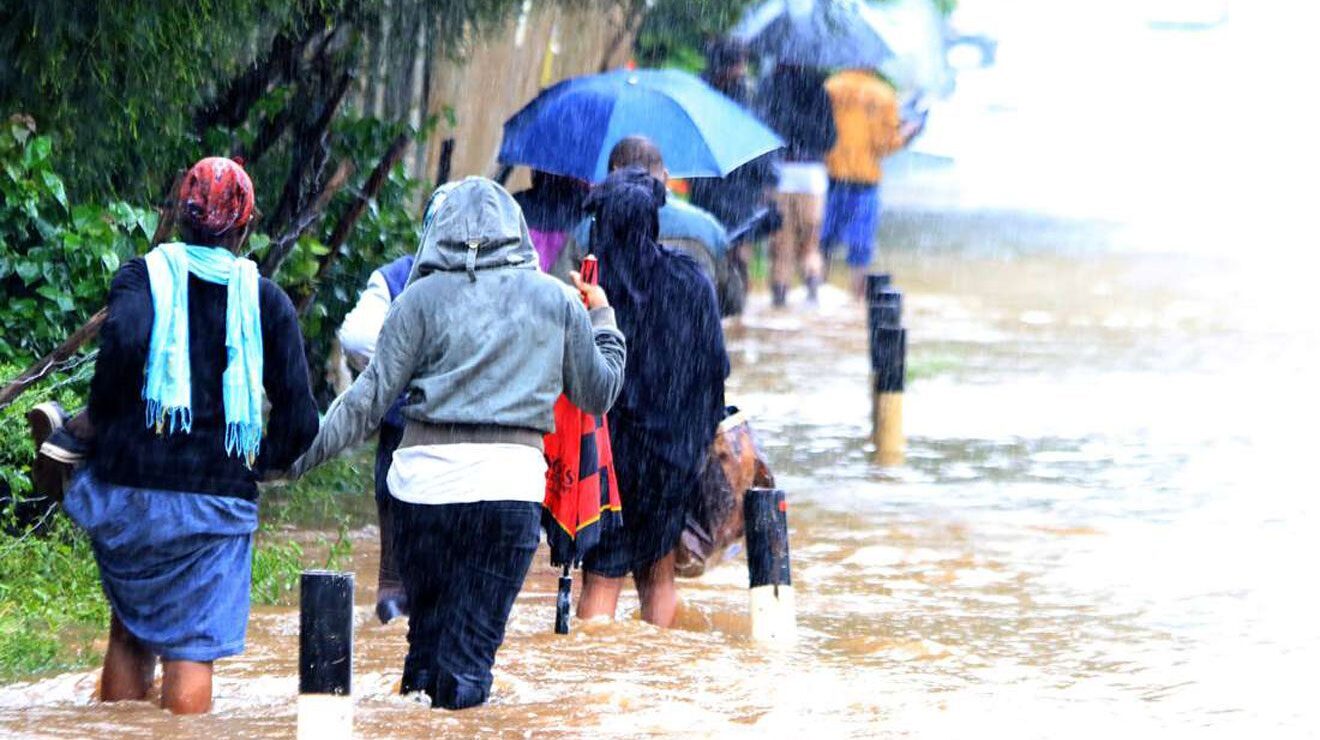
- The government has unveiled a seven-point preparedness plan under a National Contingency Plan to protect communities and infrastructure ahead of the anticipated El Niño rains.
- Authorities have mapped flood-prone hotspots, identified vulnerable roads across multiple regions, and begun desilting drainage systems while inspecting bridges and other critical infrastructure.
- The government has pre-positioned emergency supplies, strengthened community-based early warning systems, and placed rapid response teams on standby for search, rescue and evacuation operations.
The government has announced a seven-point preparedness plan to protect communities and critical infrastructure ahead of the anticipated October-December (OND) El Niño rains.
The Ministry of Interior and National Administration said above-normal rainfall is expected across most parts of the country, with some areas in Western, Nyanza and North Eastern regions likely to experience an early onset of the rains. The ministry warned that the rains could trigger flooding, drowning, injuries and fatalities, displacement and isolation of communities, disease outbreaks, disruption of essential services, damage to roads and other critical infrastructure, as well as losses to crops, livestock and livelihoods.
To minimise the anticipated impact, the government is implementing a National Contingency Plan developed in collaboration with national and county governments, humanitarian organisations, security agencies and other disaster management stakeholders. Under the plan, authorities have mapped flood and other weather-related hotspots to guide preparedness, evacuation and emergency response. Priority areas include riverine and low-lying zones, coastal areas, highlands and landslide-prone regions, arid and semi-arid lands, northern Kenya and urban areas vulnerable to flooding. Roads and transport infrastructure considered vulnerable have also been identified across North Eastern, Tana River, Coastal, Western/Nyanza, Rift Valley, Turkana, Nairobi, Central and Eastern regions.
ALSO READ:
KASNEB releases August 2026 Certificate, Diploma and CISSE examination results
The government is also undertaking the unclogging and desilting of drainage systems, culverts and water channels to improve water flow and reduce urban flooding. Agencies, including the Kenya Urban Roads Authority, have identified drainage choke points requiring urgent intervention, while solid waste management is being strengthened.
Authorities are further preparing for possible evacuations of people living on riparian land and other high-risk areas. Temporary holding grounds have been identified for communities that may be displaced, while water levels in rivers and other water bodies are being monitored. The ministry said relevant agencies are inspecting bridges, roads and other critical infrastructure in flood-prone areas to identify vulnerabilities and undertake preventive measures before the rains intensify.
Community-based early warning systems are also being strengthened through Chiefs, Assistant Chiefs and Nyumba Kumi structures to ensure that information reaches residents in high-risk areas in good time. Public sensitisation on disaster preparedness and appropriate action before, during and after heavy rainfall is also being intensified. Emergency supplies, including food, non-food items and medical supplies, are being pre-positioned at strategic locations to facilitate rapid response in case of displacement or other emergencies.
The government is also enhancing coordination among National Government Administration Officers, county governments, the Kenya Red Cross Society, the National Drought Management Authority, security agencies, health workers and other disaster management stakeholders.
ALSO READ: Study findings ignite debate on review of mother tongue instruction policy in schools
Rapid response teams have been placed on standby and strengthened to undertake search and rescue operations, evacuations and post-disaster assessments whenever required, with the National Disaster Operations Centre and County Disaster Management teams set to coordinate response operations throughout the rainy season.
However, the ministry cautioned that preparedness does not mean the country is free from danger, noting that heavy rainfall can quickly overwhelm drainage systems, rivers and critical infrastructure, particularly in areas already identified as vulnerable. The government has consequently urged Kenyans to remain vigilant and follow official safety and evacuation advisories, with residents living along riverbanks, riparian reserves, low-lying areas, flash-flood and landslide-prone zones particularly urged to move to safer ground whenever directed by authorities.
By Jeff Kirui
Get more stories from our website: Education News
To write to us or offer feedback, you can reach us at: editor@educationnews.co.ke
You can also follow our social media pages on Twitter: Education News KE and Facebook: Education News Newspaper for timely updates.
>>> Click here to stay up-to-date with trending regional stories