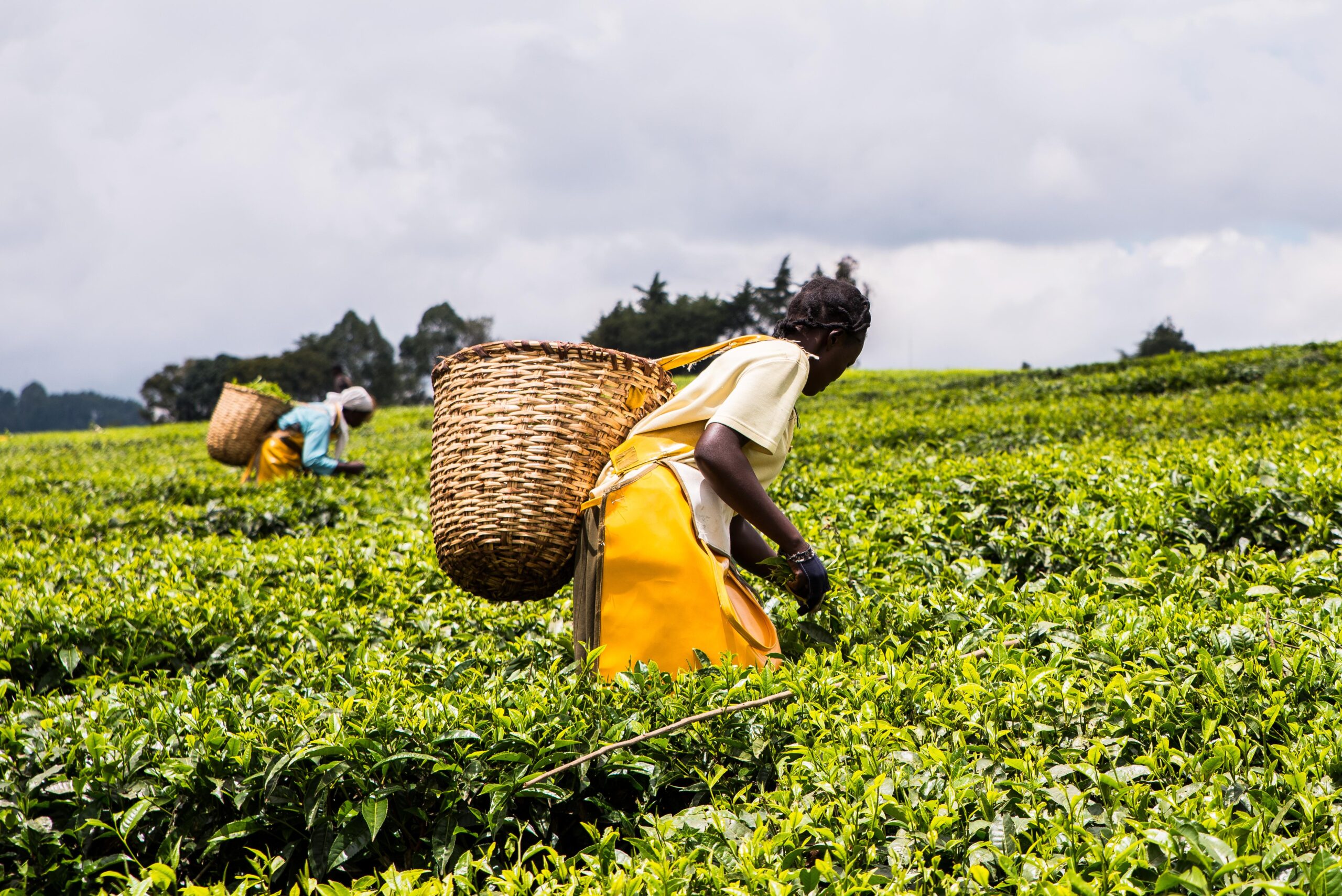
- Parents in tea-growing counties say household earnings are increasingly struggling to meet their children’s education expenses.
- Osoro Onkunya highlights concerns from families across seven counties over school fees and rising living costs.
- Farmers say better returns from tea could help protect children’s access to uninterrupted education.
For generations, tea has been more than a cash crop in Kenya’s highlands. It has paid school fees, bought uniforms, put food on family tables and given thousands of children a chance to remain in school.
But that promise is now under serious strain.
Across Kenya’s tea-growing counties, parents are raising alarm over what they describe as stagnating tea prices at a time when the cost of living continues to rise, leaving households with shrinking purchasing power and mounting education bills.
Education News established that many parents are finding it harder than at any other time to send their children to school, as earnings from tea struggle to keep pace with the rising cost of food, school fees, transport, clothing and other basic necessities.
A survey conducted among tea-growing communities shows that parents in Kisii, Bomet, Kericho, Nandi, Kiambu, Murang’a and Meru are struggling to meet school-fee obligations for their children, particularly those in secondary schools.
The findings paint a worrying picture of families caught between declining or stagnant farm earnings and rising education costs.
For households that depend heavily on tea, the mathematics are becoming increasingly unforgiving: tea earnings remain under pressure while almost everything else a family needs continues to become more expensive.
The result is a growing financial squeeze in which children are becoming unintended victims of an economic crisis they did not create.
The school-fee crisis
Parents with children in secondary school say the burden has become particularly heavy.
Unlike primary education, secondary schooling comes with a wider range of expenses, including tuition-related costs, uniforms, books, meals, transport, accommodation for boarding students and other school requirements.
For a tea farmer with several children in school, these costs can quickly overwhelm household income.
Parents interviewed in tea-growing areas say they are increasingly forced to prioritise basic necessities, leaving school fees and other educational expenses to be settled whenever money becomes available.
The situation is especially difficult for families that have no meaningful alternative source of income.
The crisis exposes a wider problem in the tea economy: the purchasing power of farmers is declining.
Parents are not simply complaining about tea prices in isolation. Their concern is that the income they receive from the crop no longer adequately reflects the cost of keeping a family and educating children.
The cost of farm inputs, labour, food and transport has continued to put pressure on household budgets.
Meanwhile, parents say their children’s education has become increasingly expensive.
This leaves tea-growing households vulnerable whenever earnings from the crop fall short of expectations.
The survey’s focus on Kisii, Bomet, Kericho, Nandi, Kiambu, Murang’a and Meru highlights the geographical spread of the problem.
Although conditions vary from one county to another, parents in these tea-producing areas share a common concern: their children are reaching secondary school at a time when family finances are under increasing pressure.
For many parents, educating a child was supposed to be the ultimate investment—the opportunity to give the next generation a better life than that of the farmer.
But that investment is now being threatened by the widening gap between household income and the cost of education.
Children caught in the middle
The most disturbing aspect of the crisis is what it could mean for learners.
When parents cannot raise fees on time, children can bear the consequences through missed lessons, interruptions in learning, inadequate school supplies and the constant uncertainty that comes with fee arrears.
The danger is greatest for households with several children in secondary school.
A parent may clear one child’s fees only to face another demand from a second school. The cycle can continue throughout the academic year, leaving families perpetually in debt to schools.
Parents fear that if the situation persists, some learners from struggling tea-farming households could eventually drop out of school.
Parents demand better returns
The parents’ message to policymakers and tea-sector stakeholders is straightforward: improving farmers’ earnings is also an investment in education.
They argue that discussions about the future of Kenya’s tea industry must go beyond production and export figures and examine what tea income actually means for families.
For a farmer, the real value of tea is measured by what that income can accomplish at home—whether it can put food on the table, pay school fees and keep children in class.
Parents say they cannot be expected to shoulder the rising cost of education while their main source of income remains under pressure.
The struggles being reported in Kisii, Bomet, Kericho, Nandi, Kiambu, Murang’a and Meru should therefore not be viewed simply as an agricultural problem.
They are increasingly becoming an education and social welfare concern.
When tea prices stagnate against a backdrop of rising living costs, the consequences travel from the farm to the household and eventually into the classroom.
For thousands of parents, every school term has become another financial battle.
And for their children, the stakes could not be higher.
READ ALSO: Mitua Girls Senior School honours young scientists after YSK national exhibition
The question now is whether action will come before the tea-price crisis turns into an education crisis.
By Osoro Onkunya
Get more stories from our website: Education News
To write to us or offer feedback, you can reach us at: editor@educationnews.co.ke
You can also follow our social media pages on Twitter: Education News KE and Facebook: Education News Newspaper for timely updates.
>>> Click here to stay up-to-date with trending regional stories