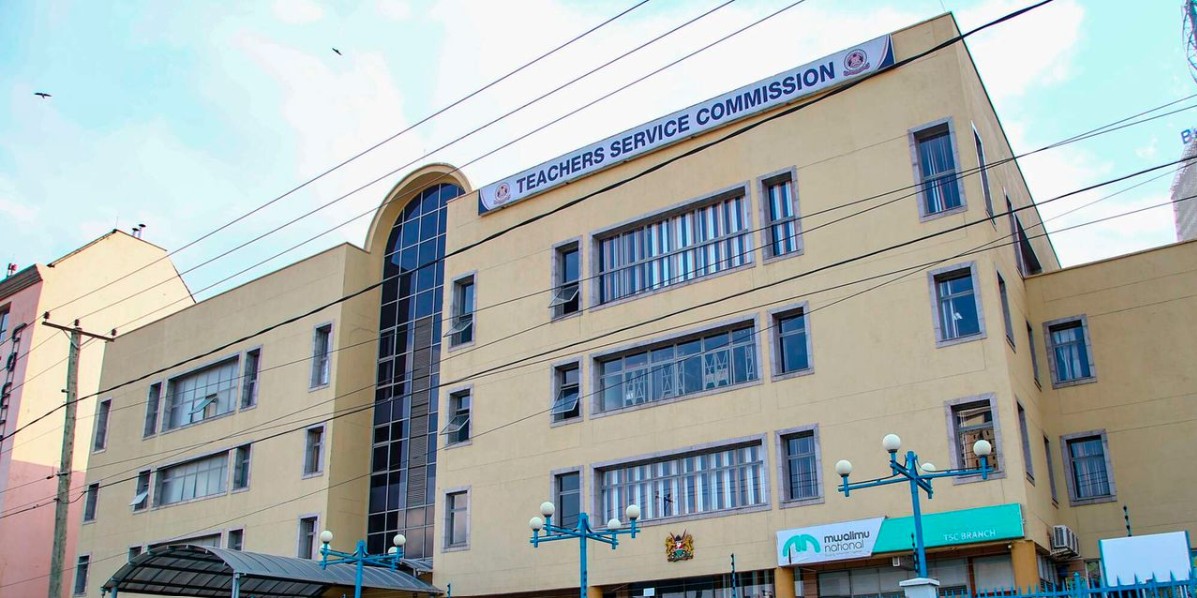
- Sauti ya Elimu Bora has urged the TSC to take deliberate action on rising depression and mental-health challenges among teachers in North Rift and Western Kenya
- The group has linked the rise to demanding academic targets, large classrooms, and financial pressures, warning that stigma often leaves teachers suffering in silence.
- Stakeholders have called for stronger counselling services, administrator training to spot warning signs and reduced administrative burdens to ease teacher burnout.
Education lobby group Sauti ya Elimu Bora has urged the Teachers Service Commission (TSC) to take deliberate steps to address what it describes as an alarming rise in cases of depression and emotional distress among teachers in North Rift and Western Kenya.
Speaking in Eldoret City on August 27, the group said a recent survey points to a worrying trajectory of a growing number of teachers experiencing depression and other mental-health challenges, warning that the situation requires urgent intervention before it develops into a wider crisis affecting teachers, their families, learners and the quality of education.
Group member Mr Holiday Sigey said the TSC should be more concerned about the growing mental-health challenges among teachers, noting that educators are facing increasing pressure in their workplaces and personal lives without their psychological wellbeing receiving adequate attention. “The increasing cases of depression among teachers should concern all stakeholders, particularly the TSC, because teachers are central to the success of our education system,” he said.
The group linked the rise in cases to significant changes in the teaching profession, with educators now expected to meet demanding academic targets, handle large and diverse classrooms, prepare extensive reports, implement curriculum requirements and respond to the social and emotional needs of learners. Many teachers are also grappling with financial difficulties, family responsibilities, workplace conflicts, transfers, long commutes and the pressures of living away from their families, challenges the group said can be even greater for teachers working in remote and hardship areas, where some schools face inadequate infrastructure, limited teaching resources and staff shortages that force educators to take on additional responsibilities.
ALSO READ:
Elgeyo Marakwet County advertises 100 ECDE teacher opportunities
The lobby said one of the greatest concerns is that many teachers suffer in silence, with mental-health challenges still surrounded by stigma and misunderstanding in some communities. A teacher experiencing persistent sadness, anxiety, exhaustion or hopelessness may be reluctant to seek professional help for fear of being judged by colleagues, relatives or the wider community, while others may dismiss their symptoms as ordinary workplace stress. The group warned that prolonged stress should not be ignored, since depression can affect concentration, motivation, relationships and an individual’s ability to perform daily responsibilities, with serious consequences for individuals, families and workplaces if left untreated.
The lobby group is calling for mental-health support to become an integral part of teacher welfare programmes, urging the TSC and other education stakeholders to strengthen counselling and psychological support services for teachers. It said teachers should have access to confidential and easily accessible mental-health services without fear of stigma or professional repercussions, while schools and education administrators should be trained to recognise early warning signs of emotional distress and guide affected teachers toward appropriate professional assistance.
Murang’a unveils Sh200 million school feeding programme for 215,000 learners
The group stressed that a teacher struggling with depression should not simply be labelled lazy, difficult or uncooperative, since such behaviour may be a manifestation of an underlying mental-health challenge requiring attention.
Stakeholders also want the causes of workplace stress addressed directly, saying reducing unnecessary administrative burdens, improving staffing levels, providing adequate teaching resources and promoting supportive school leadership could help ease some of the pressures contributing to teacher burnout.
By Our Reporter
Get more stories from our website: Education News
To write to us or offer feedback, you can reach us at: editor@educationnews.co.ke
You can also follow our social media pages on Twitter: Education News KE and Facebook: Education News Newspaper for timely updates.
>>> Click here to stay up-to-date with trending regional stories