- Wajackoyah’s call to remove degree requirements for politicians is reigniting debate over leadership qualifications.
- Critics argue speaking ability alone is not enough to handle laws, budgets and complex government documents.
- Academics suggest balancing community wisdom with formal education for effective and accountable leadership.
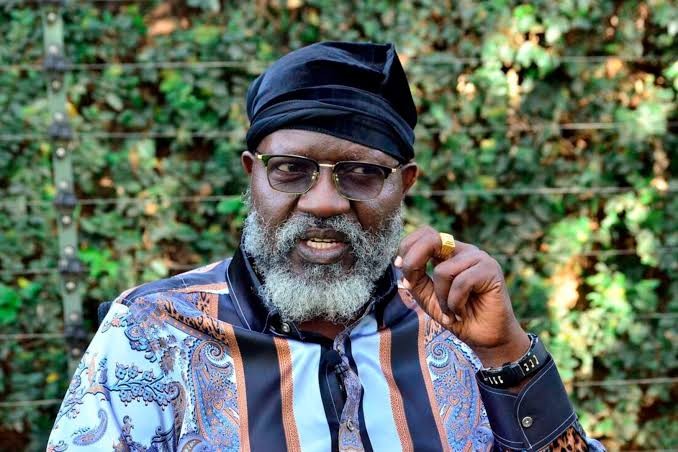
Roots Party leader and renowned scholar Prof. George Wajackoyah has backed calls to let politicians vie for elective seats without academic degree. He argues that wisdom does not come from class alone; some people are born with it. Therefore, if a person can speak and be understood by the electorate, that qualifies them to lead.
However, analysts say his argument leaves a gap. Notably, he did not address writing competency, a critical component of leadership. While eloquence matters, leadership goes beyond speaking. It also requires reading, writing, interpreting and implementing complex government documents.
Why written competency matters
Experts note that leaders with little education often struggle with policymaking and lawmaking. After all, Parliament and county assemblies are legislative houses where lawmakers draft and debate motions, bills and policies in writing. Consequently, a leader who cannot comprehend such documents may fail to contribute effectively.
YOU MIGHT HAVE MISSED:
MPs back Bill to recognise, fund APBET schools serving vulnerable learners
Such leaders also face challenges in oversight. County and national budgets, audit reports and development plans are technical documents. Without basic education, a leader may struggle to understand them. This, in turn, makes it difficult to oversee public resources and fight corruption.
Additionally, low education levels can lead to over-reliance on advisors and personal assistants. This dependence creates room for manipulation, since a leader may sign documents without fully understanding their implications. It also limits innovation, because modern governance requires knowledge of technology, economics and global affairs, much of which comes through formal learning.
A middle-ground view from academia
Weighing in on the matter, Kisii-based university don Charles Misati agreed that people without degrees could take up leadership roles, but in advisory rather than lead positions. According to him, such individuals often possess indigenous knowledge and community wisdom useful in advisory capacities. Still, he noted, they may lack the technical competence required to steer legislative and executive functions.
Ultimately, observers say natural wisdom holds real value, but formal education should complement it. Together, the two can ensure effective, informed and accountable leadership.
By Enock Okong’o
You can also follow our social media pages on Twitter: Education News KE and Facebook: Education News Newspaper for timely updates.
>>> Click here to stay up-to-date with trending regional stories
>>> Click here to read more informed opinions on the country’s education landscape