- Five years after restrictions began, millions of Afghan girls remain excluded from education beyond primary school.
- UNESCO estimates 2.4 million girls are currently shut out of secondary education, reversing two decades of educational progress.
- The UN agency is demanding full restoration of girls’ education as concerns grow over Afghanistan’s future workforce and development.
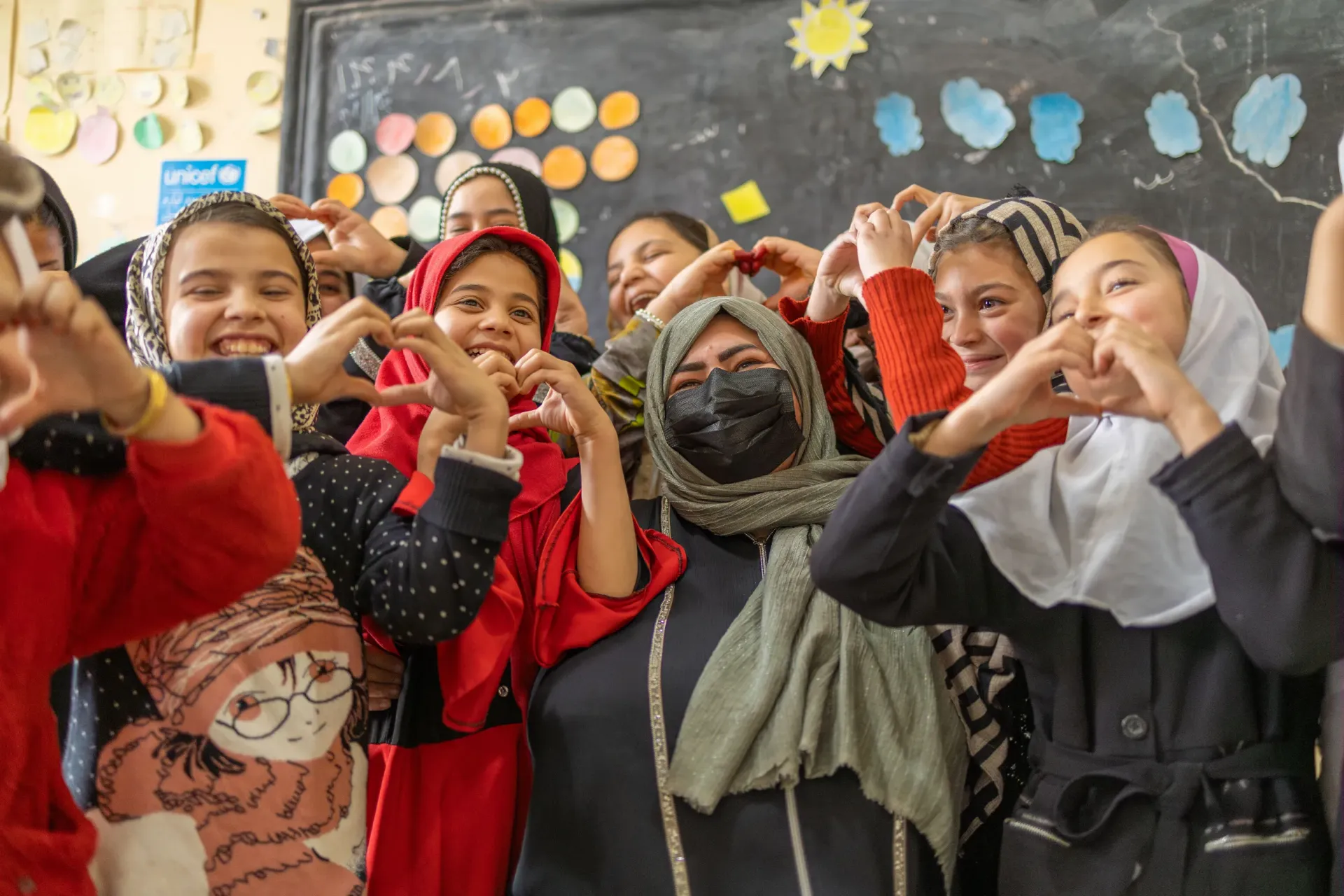
Five years after the Taliban returned to power in Afghanistan, millions of girls remain excluded from secondary and higher education, prompting renewed international calls for the restrictions to be lifted.
The United Nations Educational, Scientific and Cultural Organization (UNESCO) says Afghanistan remains the only country in the world where girls and women are formally prohibited from accessing education beyond primary level.
In a statement marking five years since the Taliban takeover, UNESCO called for the full restoration of the right to education for Afghan girls and women.
As of 2026, UNESCO estimates that 2.4 million girls are excluded from secondary education as a result of the restrictions.
UNICEF, using a cumulative measure, says more than 2.6 million girls have been denied secondary education at some point during the five years since 2021. The figures therefore measure slightly different things: UNESCO’s 2.4 million represents girls currently excluded, while UNICEF’s figure reflects the cumulative number denied secondary education since the restrictions began.
Five years of lost education
The restrictions followed the Taliban’s return to power in August 2021.
Girls have been barred from formal education beyond Grade Six since September 2021, while women have been prohibited from attending universities since December 2022.
UNESCO says the restrictions have reversed significant gains made during the previous two decades.
By 2021, nearly one million Afghan girls were enrolled in secondary education, compared with extremely limited access at the beginning of the century.
The restrictions have also extended beyond classrooms. Women face severe limitations on employment and participation in public life, further reducing the opportunities available to girls once they reach adulthood.
Education system under pressure
The impact is increasingly being felt across Afghanistan’s education system.
UNESCO has warned that restrictions on women’s education and employment are contributing to shortages of qualified female teachers.
The agency projects Afghanistan could face a shortage of more than 11,000 female teachers by 2030, potentially further weakening education quality.
The country is already experiencing a wider learning crisis.
In January, UNESCO and UNICEF reported that 93 per cent of children completing primary school were still working towards basic reading proficiency, highlighting challenges that extend beyond girls’ exclusion from secondary education.
Consequences extend beyond classrooms
UN agencies warn that denying girls an education has consequences far beyond academic achievement.
UNICEF says education can help protect girls against child labour, early marriage, violence and abuse while improving their ability to participate economically and socially later in life.
The long-term economic consequences could also be substantial.
UNESCO estimates that continued restrictions on women’s secondary and higher education could result in $9.6 billion in economic losses by 2066 and contribute to hundreds of thousands fewer women participating in Afghanistan’s workforce.
Alternative learning cannot replace schools
Despite the restrictions, efforts are continuing to provide Afghan girls and women with opportunities to learn.
UNESCO says it is supporting community-based literacy programmes, skills development and psychosocial support initiatives designed to keep some learning opportunities available.
But the organisation maintains that such programmes cannot substitute for unrestricted access to formal secondary schools and universities.
Technology and distance learning can similarly provide supplementary opportunities, but UNESCO’s assessment says these options are largely non-accredited and cannot replace safe physical learning environments.
UNESCO calls for restoration of education rights
Five years into the restrictions, international organisations are again calling for Afghan girls to be allowed back into classrooms.
UNESCO has demanded the full restoration of girls’ and women’s right to education, warning that another generation is growing up without access to secondary schooling.
UNICEF has similarly called for the restrictions to end.
For millions of Afghan girls who completed primary education but have been unable to proceed to secondary school, every additional academic year represents another lost opportunity.
Five years may represent a relatively short period in the history of a country, but for a girl prevented from progressing from primary school through secondary education, it can encompass much of her adolescence.
Afghanistan’s education crisis therefore extends beyond the 2.4 million girls currently outside secondary classrooms.
READ ALSO: Double tragedy as father of 2023 Mukumu Girls victim dies while taking another child for university admission
It raises a much larger question about what happens to a country when an entire generation of women is prevented from developing the education, qualifications and professional skills needed to participate fully in its future.
By Joseph Mambili
Get more stories from our website: Education News
To write to us or offer feedback, you can reach us at: editor@educationnews.co.ke
You can also follow our social media pages on Twitter: Education News KE and Facebook: Education News Newspaper for timely updates.
>>> Click here to stay up-to-date with trending regional stories