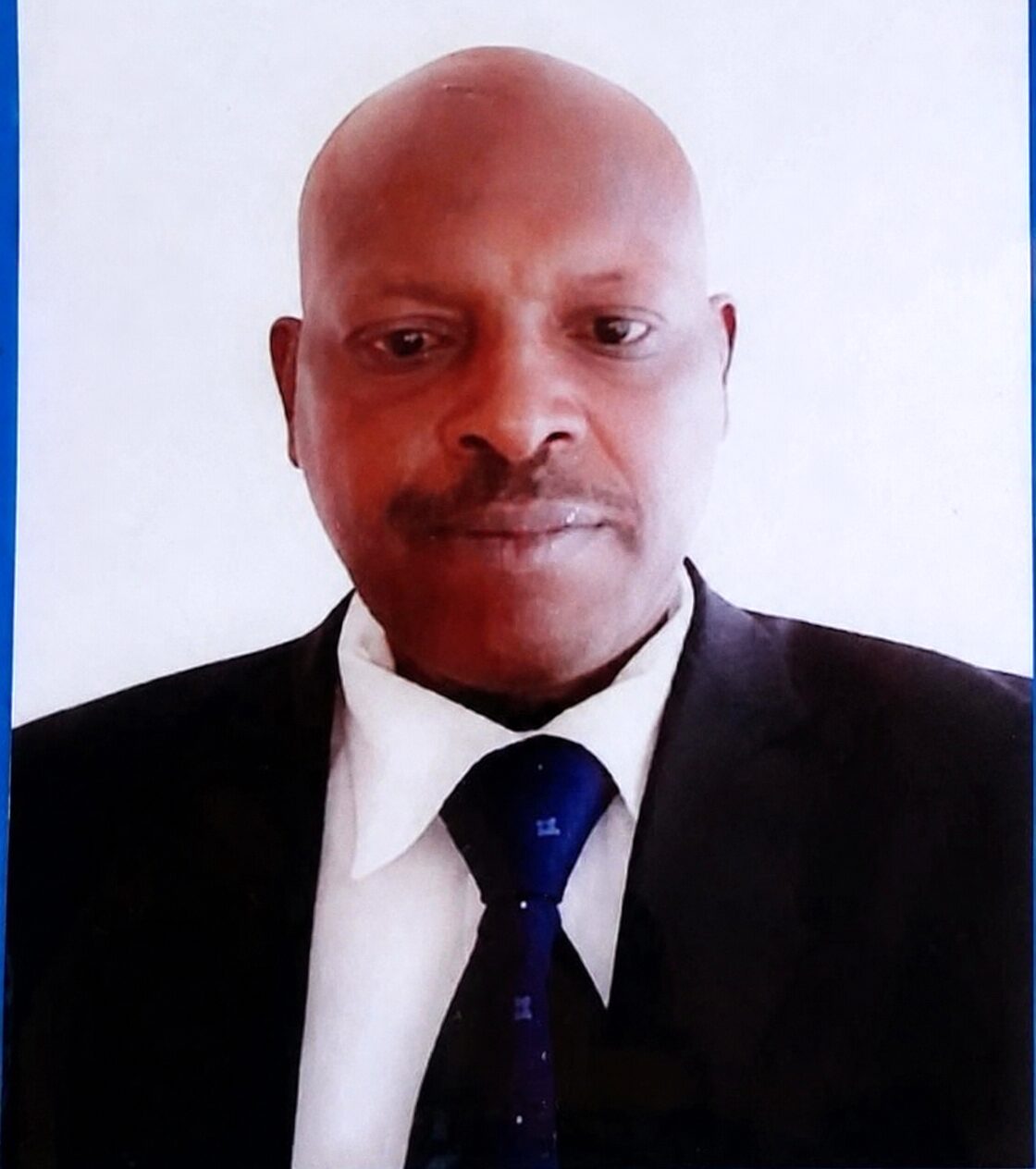
- Enock Okong’o urges learners to see English as a life skill extending far beyond national examinations.
- Drawing from Michael Kijana Wamalwa and Dr Zachary Onyonka, he shows how eloquence can shape careers.
- Okong’o challenges schools to expose learners to accomplished speakers while creating opportunities to practise spoken English.
One day as I travelled along the streets of Kisumu City, I noticed an advertisement advising applicants that one of the requirements of the salesmanship job was being fluent in English.
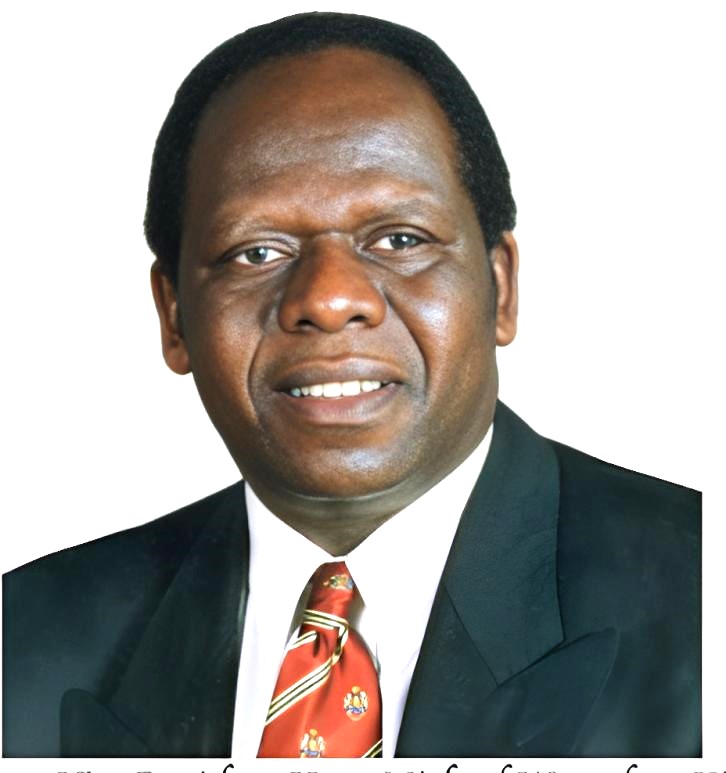
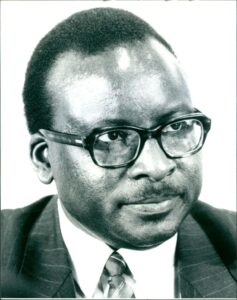
This reminded me of former Vice President of Kenya Michael Wamalwa. He and Dr Zachary Onyonka (pictured below) were the most fluent English-speaking Africans I have ever met. They were eloquent too. My word to school managers is that they should have recorded messages from such people for the purpose of teaching English and historical reference.
Today you are in Form One or Form Four, but tomorrow you will be in the job market. That small advertisement in Kisumu is a message to you that English is no longer just a subject to pass in KCSE. It is the language of employment. Whether you want to be a salesperson, a lawyer, a news anchor, a pilot, a doctor, an air hostess, a diplomat, a teacher, a call centre agent, a tour guide or a businessman, you must be fluent in English. Companies are not looking for crammed grammar alone; they are looking for people who can speak clearly, write convincingly and listen intelligently.
Lessons from two great orators
This is why I want to tell you about two Kenyans who mastered this art. Michael Kijana Wamalwa was born in 1944 in Sosio village near Kimilili, in present-day Bungoma County. He went to Strathmore School, where he was a champion debater. In 1965, he won a Commonwealth scholarship to study Law at King’s College, Cambridge University, graduating in 1968. He later proceeded to the London School of Economics before returning to Kenya, where he taught Law at the University of Nairobi. He became a Member of Parliament for Kitale West, served as a Minister and finally became Vice President of Kenya under President Mwai Kibaki. He died on August 23, 2003.
His friend Dr Zachary Onyonka from Kitutu Chache was also a great orator. He studied at the University of Puerto Rico before proceeding to Syracuse University in New York, where he pursued postgraduate studies in economics and completed his PhD in 1969. He later taught at the University of Nairobi. When Michael Wamalwa attended Dr Onyonka’s funeral at their Mosocho home, he eulogised him as a man who could speak the Queen’s English with such eloquence that you could drop a pin on the floor where he addressed the public. That means when Onyonka spoke, everyone kept quiet to listen. That is the power of fluency.
What made Wamalwa special was not just big words. He was clear, logical and respectful. He never shouted to be heard. He used simple sentences to express deep ideas. That is what eloquence means. Eloquence is not about confusing people with vocabulary; it is about making people understand you and remember what you said.
On August 23 this year, Kenyans marked the 23rd anniversary of the death of former Vice President Michael Kijana Wamalwa. Former President Uhuru Kenyatta attended the commemoration in Kitale, where he laid a wreath at Wamalwa’s grave and launched My Country First, a book documenting the late Vice President’s public life and political legacy. People still remember him after 23 years not because he was rich, but because of how he spoke and how he behaved. Your English can also be your legacy.
Make English a habit, not a subject
So how does Wamalwa help you as a secondary school learner today? First, make English a habit, not a subject. Read newspapers like Daily Nation and The Standard, read magazines, read your school magazine if your school has one, listen to good English on radio and TV news, and be aware of current affairs around you. Fluency is caught by listening and reading widely.
Second, join clubs that force you to speak. Debate club, drama club, journalism club and Model United Nations. Wamalwa was a distinguished debater at Strathmore School. You will never be fluent if you only speak English in English lessons. Practise it in the dormitory, in the dining hall, in the field.
Third, know that careers of the future need English. If you want to be a lawyer like Wamalwa, you must argue in English. If you want to be a journalist, you must write in English. If you want to be a pilot, you must communicate in English to control towers worldwide. If you want to be a tour guide in Maasai Mara, you will explain wildlife to tourists in English. If you want to be a salesperson in Kisumu, Nairobi or Ogembo, as that advertisement said, you must convince customers in English. Even content creators and online writers today earn money because of fluent English.
Eloquence goes with character
Finally, use English with respect. Social media has taught many of you to abuse people in English. Wamalwa taught us that you can be firm without being abusive. True eloquence goes with good character.
READ ALSO: Govt releases Sh18.5bn Third Term capitation, warns schools against illegal levies
I challenge school managers and English teachers to download and keep video and audio clips of people like Michael Wamalwa for teaching. Let students hear how an African can speak perfect English. Let a two-minute clip be played before English lessons. If we do that, no advertisement will scare you tomorrow. You will walk in, speak with confidence and get the job.
By Enock Okong’o
Get more stories from our website: Education News
To write to us or offer feedback, you can reach us at: editor@educationnews.co.ke
You can also follow our social media pages on Twitter: Education News KE and Facebook: Education News Newspaper for timely updates.
>>> Click here to stay up-to-date with trending regional stories