- The IEBC has clarified that a university degree is not currently required for candidates contesting various elective positions in the 2027 General Election.
- This stance risks undermining the value Kenya places on education, given the scale of responsibility handed to lawmakers.
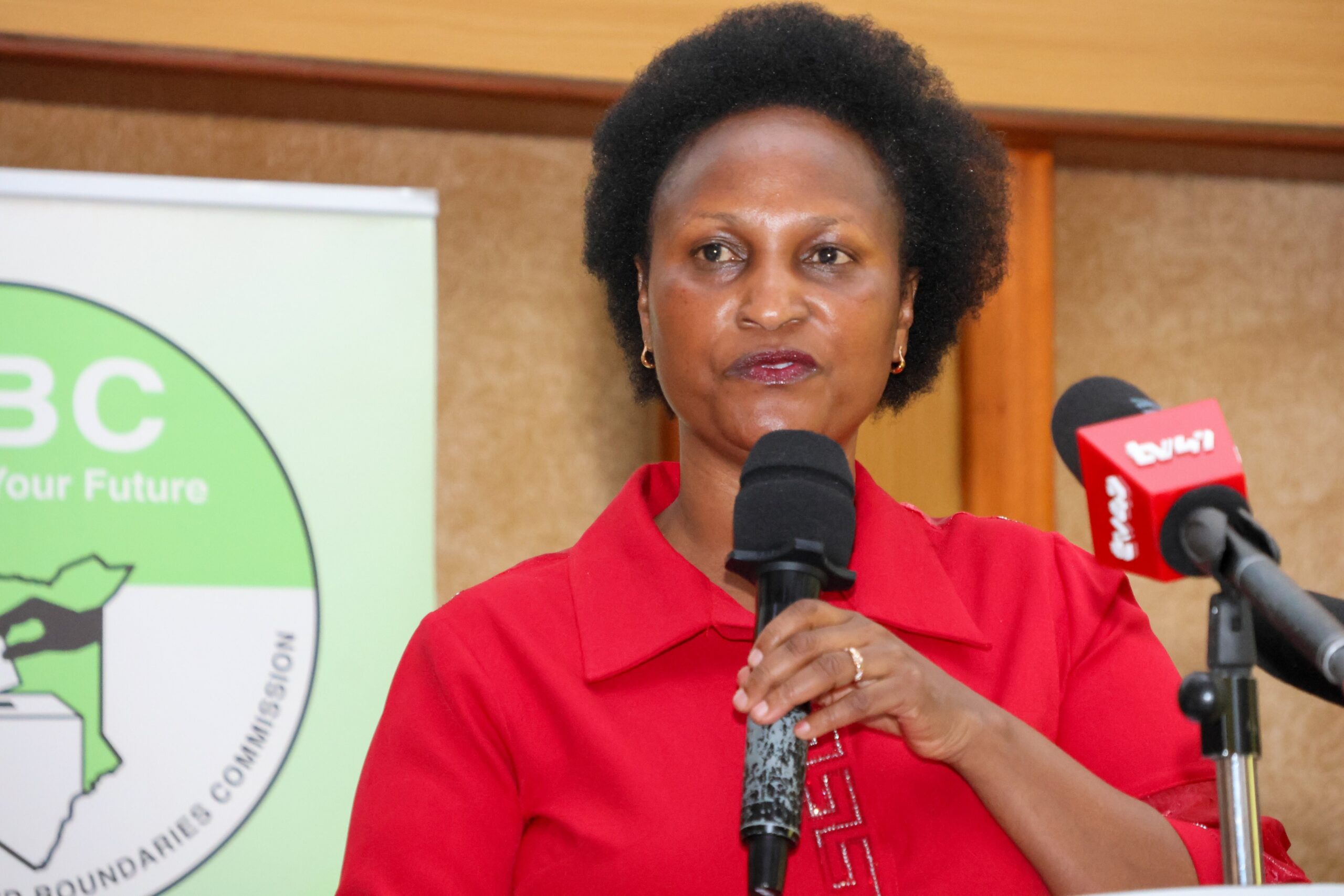
- IEBC’s Evans Masiti has previously called on Parliament to establish clear academic standards for political candidates through a transparent, participatory process.
The Independent Electoral and Boundaries Commission (IEBC) has clarified that, under the current legal position, a university degree is not required for candidates seeking various elective positions in the 2027 General Election, a clarification that has reopened debate over the value Kenya places on education and academic achievement in its political leadership.
The development has raised concerns about the standards expected of people seeking positions that involve making laws, formulating policies and overseeing public resources. While the right to participate in politics remains a fundamental constitutional right, removing academic qualifications as a bar for political office raises pointed questions about how much weight Kenya’s political system places on education and expertise, at a time when the country has invested heavily in education for decades, with parents making enormous sacrifices to take their children through primary, secondary and university education and young people spending years acquiring knowledge and professional skills in the hope of contributing meaningfully to society.
That contrast is part of what makes the clarification troubling to critics: academic qualifications are treated as essential for ordinary employment, yet are not necessarily required for positions involving the management of public resources, legislation and national policy. Leadership, of course, requires more than a certificate — integrity, wisdom, experience, patriotism and a demonstrated commitment to public service matter just as much.
But academic education can equip leaders with critical-thinking skills, knowledge of public policy, financial literacy and an understanding of complex social and economic issues, which is why the debate should not be reduced to a simple claim that a degree-holder is automatically a better leader than someone without one. There are highly educated individuals who have failed in leadership, just as there are people without university degrees who have demonstrated exceptional leadership abilities.
ALSO READ:
JSS teachers who implemented the reforms should not be left behind in TSC promotions
Even so, Kenya’s education system risks being undermined if the people entrusted with making the country’s laws and policies are not drawn from among its most educated, knowledgeable and competent citizens. A country cannot continuously encourage its young people to pursue higher education while simultaneously creating a political environment in which academic achievement carries little weight at the highest levels of public decision-making — particularly given that lawmakers determine the direction of the education system, the economy, healthcare, technology and virtually every other sector, scrutinising budgets running into billions of shillings and making decisions whose consequences affect generations. It is reasonable, in that context, for Kenyans to demand high standards of competence from those seeking such offices.
The IEBC has, in fact, previously called on Parliament to establish clear academic standards for political leaders. IEBC National Steering Committee Chairperson Evans Masiti warned that without such standards, candidates with vastly different levels of education could theoretically be treated as equals in terms of academic qualifications for political office.
Ghost Students: Government urged to fix data systems before merging funding agencies
That warning gives Parliament an opening to revisit the matter through a transparent and constitutional process that includes meaningful public participation, with any new requirements needing to balance the constitutional right to political participation against the need to maintain appropriate standards for public leadership.
As Kenya prepares for the 2027 elections, the country will need to reckon with the message the current legal position sends to the millions of young people now pursuing education. If education is the foundation on which Kenya expects its citizens to build their future, the argument goes, then the country’s political leadership should reflect that same respect for knowledge, scholarship and competence — otherwise, the education sector risks losing the very incentive that has driven generations of Kenyans to pursue it.
By Edwin Jemenya
Get more stories from our website: Education News
To write to us or offer feedback, you can reach us at: editor@educationnews.co.ke
You can also follow our social media pages on Twitter: Education News KE and Facebook: Education News Newspaper for timely updates.
>>> Click here to stay up-to-date with trending regional stories