- More girls are transitioning into womanhood without undergoing FGM while retaining elements of Samburu tradition.
- The programme combines mentorship, education and life skills with a culturally recognised ceremony involving community elders.
- Organisers say elders’ involvement is helping families embrace the alternative while keeping girls in school.
For girls in Wamba, Samburu East Sub-County, the journey into womanhood is increasingly taking a different path.
Instead of undergoing Female Genital Mutilation (FGM), more than 300 girls have completed an Alternative Rite of Passage (ARP) that combines cultural traditions with education, mentorship and life skills.
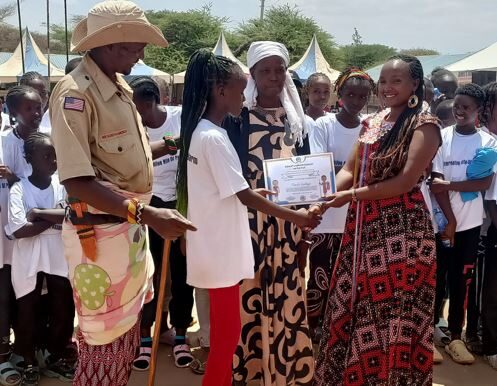
The latest group of 96 girls graduated from the programme at Ntepes Primary School, bringing the total number of graduates to 306 since the initiative began in 2025.
Ramat Empowerment Initiative Executive Director Josephine Naramat said the programme emerged after communities asked for an alternative way of marking girls’ transition into adulthood.
“When we started, we were teaching about the negative effects of FGM and the community challenged us to give an alternative, and that’s how we introduced ARP with the full support of the community,” she said.
Naramat said the initiative respected Samburu culture and was focused on removing the harmful practice of cutting from the traditional transition ceremony.
She credited elders with helping the programme gain acceptance and thanked them for supporting families that have chosen ARP for their daughters.
Girls receive mentorship
Girls between 12 and 15 years participate in mentorship camps where they learn about education, life skills, sexual and reproductive health, their legal rights and how to protect themselves from early marriage.
The programme also retains elements of a traditional ceremony. After completing their training, the girls receive certificates before elders and community leaders. They then participate in a cultural prayer ceremony, where elders bless them with milk.
For 12-year-old graduate Pascalina Namaiya, the alternative rite offers girls an opportunity to prepare for adulthood without sacrificing their education.
“ARP was better than FGM because it equips girls with life skills and enables us to remain in school,” Namaiya said.
She said the traditional practice could contribute to early marriage and pledged to use her new knowledge to encourage other girls to reject FGM.
Namaiya said she would become an anti-FGM champion in her community and speak out against Gender-Based Violence.
Community leaders at the graduation said continued engagement with traditional elders was critical to changing attitudes and persuading more families to embrace the alternative rite.
READ ALSO: Why counties must borrow a page from TSC in managing healthcare workers
With graduation ceremonies held two or three times a year, organisers hope the programme will continue giving Samburu girls a culturally recognised but safer transition into womanhood.
By Kimutai Langat
You can also follow our social media pages on Twitter: Education News KE and Facebook: Education News Newspaper for timely updates.
>>> Click here to stay up-to-date with trending regional stories
>>> Click here to read more informed opinions on the country’s education landscape
>> Click here to stay ahead with the latest national news.