- The Bungoma State Concert highlighted teachers’ contribution to nurturing music, performance and artistic talent among learners.
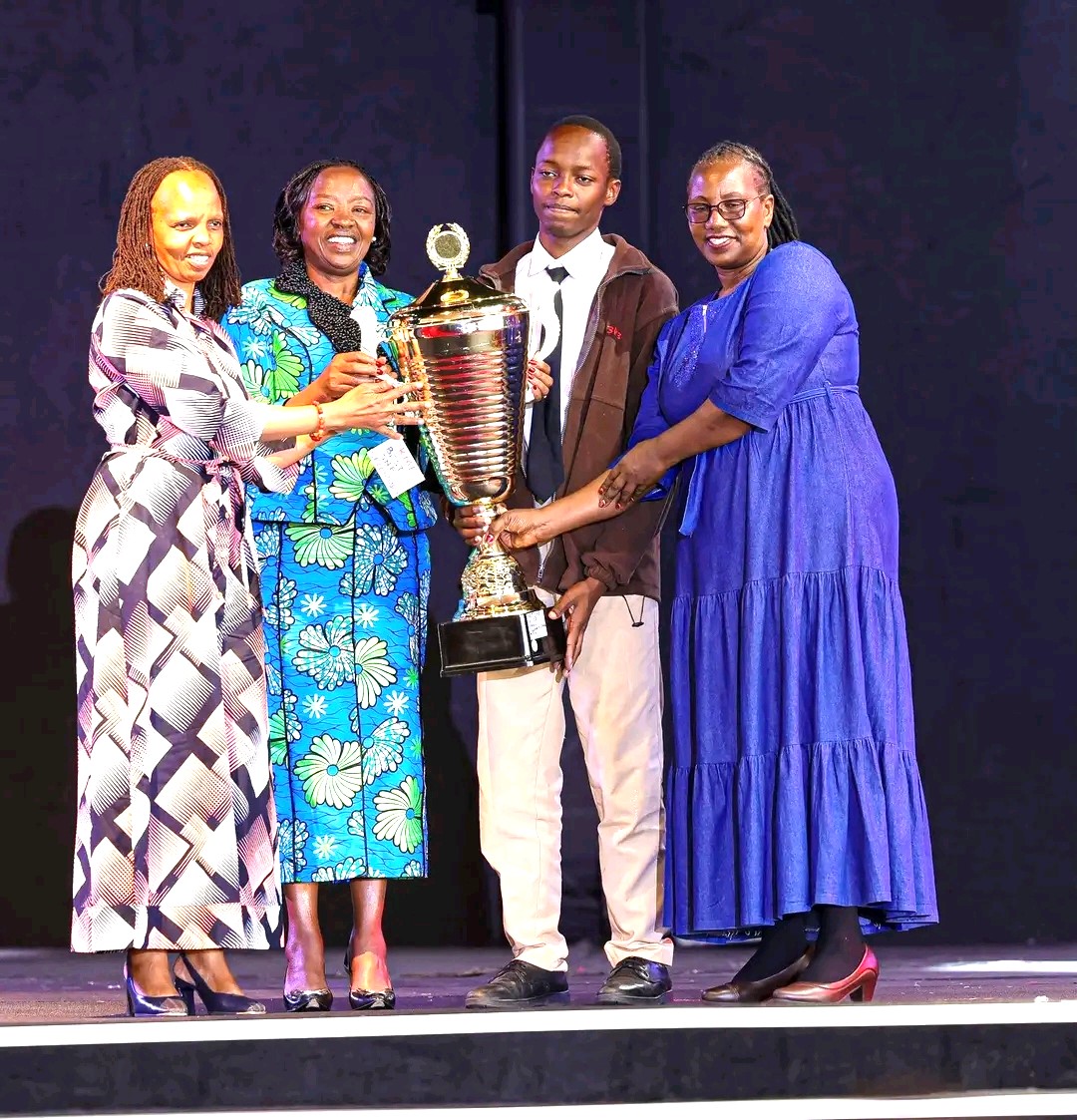
- TSC presented the Best Teachers’ Club and Choir award as educators received recognition for their creative contribution.
- The festival also underscored the growing place of arts and co-curricular talent within Competency-Based Education.
The 98th Kenya Music Festival State Concert in Bungoma has placed teachers and schools at the centre of Kenya’s ongoing efforts to nurture music, creativity and artistic talent among learners.
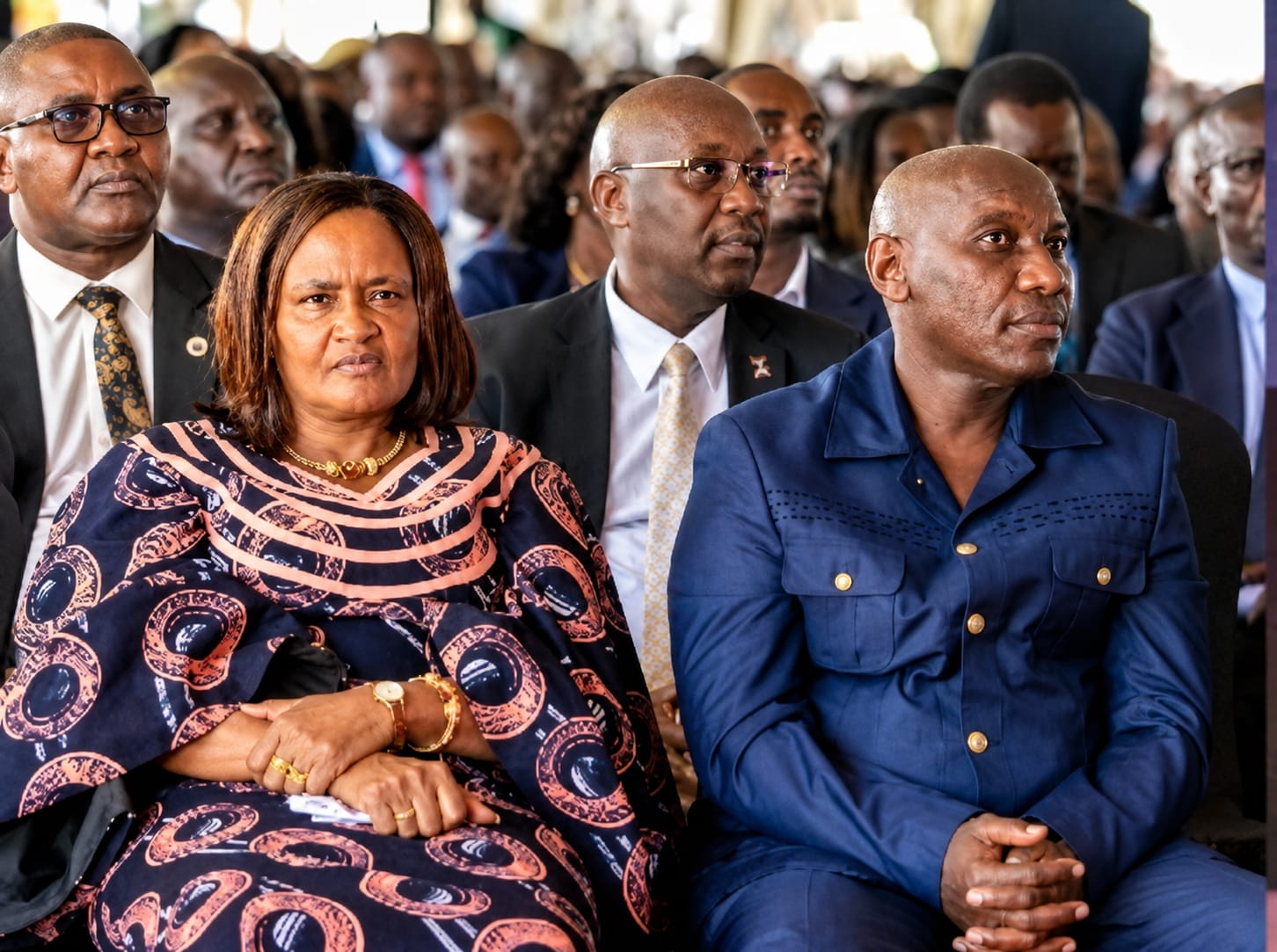
The colourful State Concert, held at the State Lounge in Bungoma, brought together national leaders, education stakeholders, teachers and talented performers in a celebration of musical and creative excellence.
The event was hosted by the Patron of the Kenya Music Festival, President William Ruto, and First Lady Rachel Ruto, and was graced by Bungoma Governor Kenneth Lusaka.
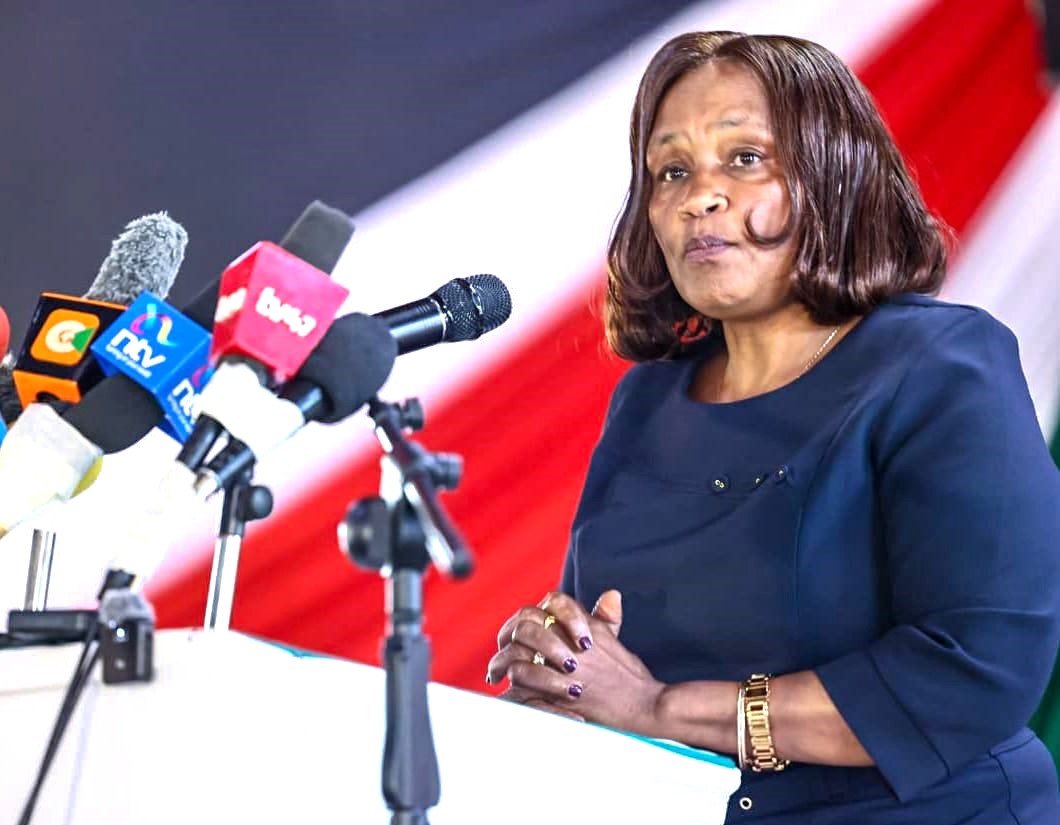
Representing the Teachers Service Commission (TSC), Chairman Dr Jamleck Muturi John, EBS, and Acting Chief Executive Officer Evaleen Mitei, MBS, attended the concert and presented the award for the Best Teachers’ Club and Choir to the Coast Teachers Choir.
The award, sponsored by TSC, underscored the Commission’s recognition of teachers not only as classroom instructors but also as key custodians, mentors and promoters of talent.
The occasion also provided an opportunity to acknowledge the contribution of teachers engaged in arts and creative activities across the country.
In his address, President Ruto commended TSC for promoting 1,000 teachers who participated in Arts & Creatives, describing the move as a demonstration of government appreciation for their artistic contribution.
The development carries implications that extend beyond the individual teachers who benefited from the promotions.
For years, teachers have played a critical but often understated role in school music, drama, dance, poetry, visual arts and other creative disciplines. In many institutions, teachers voluntarily dedicate significant time to rehearsals, preparing learners for festivals and competitions, and helping them discover abilities that may not always be reflected in conventional classroom assessments.
Teachers behind learners’ creative success
The Kenya Music Festival has, over the decades, provided one of the country’s most prominent platforms for this talent development process.
From classroom settings to zonal, county and national stages, learners are exposed to performance, discipline, teamwork, confidence and cultural expression. Behind many of these performances are teachers who identify talent, organise rehearsals, teach techniques, coordinate costumes and instruments, and guide learners through competitive stages.
The recognition of teachers involved in Arts & Creatives therefore sends an important message to the education sector: creative talent requires professional mentorship, and those who provide it deserve recognition.
This is particularly significant as Kenya continues to implement Competency-Based Education (CBE), which places greater emphasis on identifying and developing learners’ abilities beyond academic achievement alone.
A learner who may not excel in traditional academic subjects can demonstrate exceptional ability in music, drama, dance, drawing, public speaking or other creative disciplines.
Schools therefore have a critical responsibility to provide structured opportunities through which such abilities can be identified and nurtured.
Teachers remain central to this process.
A music teacher, for instance, may identify an exceptional voice during a routine classroom activity. Through structured training and mentorship, the learner can progress from school performances to county and national festivals, and eventually to professional opportunities.
The same pathway applies to instrumental music, composition, poetry, theatre, dance and other forms of creative expression.
The national recognition of teachers in this space is therefore likely to strengthen morale among educators who dedicate substantial time to co-curricular development.
It also reinforces the argument that co-curricular programmes should not be treated as peripheral to education.
For many learners, participation in music and creative activities develops competencies that extend far beyond the stage.
A learner who performs before a large audience builds confidence. Another who participates in a choir develops listening skills, cooperation and discipline. A student involved in drama enhances communication, interpretation and teamwork, while those engaged in composition and creative writing strengthen imagination and critical expression.
These competencies are increasingly vital in a dynamic economy where creativity, communication, innovation and adaptability are highly valued.
Preserving culture and developing talent
The Kenya Music Festival has also played a significant cultural role.
Kenya’s diverse communities possess rich musical traditions, languages, stories, rhythms and artistic expressions. Schools provide a platform where this cultural heritage can be preserved, taught and showcased to wider audiences.
Teachers therefore serve as a bridge between generations.
Through music and creative arts, learners are able to appreciate their cultural identities while also gaining an understanding of the country’s broader diversity.
The Bungoma State Concert therefore represented more than the conclusion of another festival cycle. It provided an opportunity to reflect on the broader place of creativity within Kenya’s education system.
The recognition of the Coast Teachers Choir was particularly symbolic.
Teachers were not only supporting learners from the sidelines; they were also recognised as performers and practitioners in their own right.
This distinction is important.
An educator who actively participates in creative work can serve as a stronger role model for learners. Students observe that artistic ability can coexist with professional excellence and that creativity is not limited to childhood or school competitions.
At the same time, recognition must be matched with sustained investment in facilities, instruments, training and opportunities.
Talent cannot thrive on enthusiasm alone.
Schools require adequate music rooms, instruments, rehearsal spaces, costumes and other essential resources. Teachers involved in creative programmes also require continuous professional development to keep pace with evolving artistic practices and opportunities.
Partnerships involving TSC, the Ministry of Education, cultural institutions, county governments, communities and the private sector could therefore help strengthen a more robust ecosystem for school-based creative development.
From talent to creative careers
The economic dimension is equally important.
Kenya’s creative economy spans music, film, theatre, fashion, visual arts, digital content, broadcasting and related industries. Young people with artistic abilities can build meaningful careers in these sectors if their talents are identified and nurtured early.
Schools can therefore function not only as centres of academic preparation, but also as incubators for future musicians, actors, composers, choreographers, designers, filmmakers and other creative professionals.
This further expands the role of the teacher.
The modern educator is no longer limited to knowledge delivery. Teachers are increasingly expected to identify competencies, mentor learners, encourage innovation and help young people connect their abilities to future opportunities.
The promotion of 1,000 teachers involved in Arts & Creatives therefore comes at a pivotal moment in Kenya’s education transformation.
It signals that professional recognition can extend to areas of education that have historically received less attention than conventional academic performance.
However, the ultimate measure of success will be whether this recognition translates into sustained support for creative programmes at the school level.
The journey from a learner singing in a classroom to performing on a national stage is gradual and deliberate.
It requires a teacher who identifies the talent, a school willing to provide opportunity, parents and communities who support the learner, and a system capable of sustaining development across multiple stages.
For this reason, the 98th Kenya Music Festival State Concert should not be viewed solely as a celebration of winners.
It was also a recognition of the teachers, schools and communities that make those performances possible.
As Kenya advances its CBE agenda, the message from Bungoma is increasingly clear: education must nurture the whole learner—the thinker, communicator, innovator, performer and creator.
Behind many of these learners stands a teacher whose influence often begins quietly in the classroom but ultimately reaches the national stage.
The recognition of teachers through the Kenya Music Festival therefore contributes to a broader conversation about elevating the status of creative education and ensuring that talent is treated as a core educational asset rather than an extracurricular afterthought.
From the classroom to the festival stage, teachers remain one of the most important links between potential and achievement.
READ ALSO: Lenana principal’s exit raises questions over who is really failing our schools
Their recognition ultimately affirms the profound role educators play in shaping not only what learners know, but also what they can create, express and become.
By Hillary Muhalya
You can also follow our social media pages on Twitter: Education News KE and Facebook: Education News Newspaper for timely updates.
>>> Click here to stay up-to-date with trending regional stories
>>> Click here to read more informed opinions on the country’s education landscape
>> Click here to stay ahead with the latest national news.