- Commission says public schools require nearly 100,000 more teachers to meet current staffing needs.
- Junior and senior schools account for the biggest shortage as Competency-Based Education expands.
- Education stakeholders urge increased funding to accelerate recruitment and improve learning outcomes.
The education sector is facing a major staffing challenge after the Teachers Service Commission (TSC) disclosed that public schools require an additional 96,345 teachers to meet current demand across the country.
The shortage has intensified concerns over the quality of learning, especially as the Competency-Based Education (CBE) curriculum continues to expand in both junior and senior schools.
According to the latest figures, primary schools require 38,054 more teachers, while junior and senior schools have an even larger deficit of 58,291 teachers.
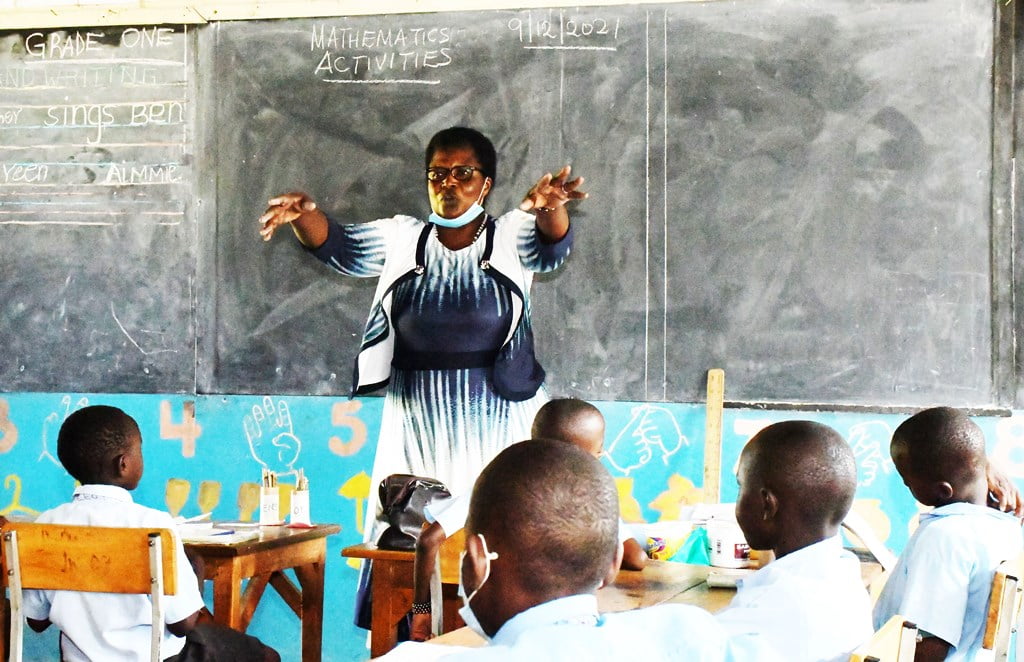
The shortage has left many schools struggling with overcrowded classrooms, heavy teacher workloads, and limited subject specialisation, particularly in junior and senior school learning areas.
Growing pressure on schools
The staffing gap comes at a time when learner enrolment continues to increase, and the transition to senior school under the Competency-Based Education system is placing greater pressure on available teaching personnel.
Education stakeholders have repeatedly warned that unless recruitment is accelerated, schools may find it difficult to provide quality instruction and adequate learner support.
Although the government has recruited thousands of teachers over the past few years and recently announced plans to hire an additional 20,000 junior school teachers, education experts argue that the new positions will only reduce part of the existing deficit.
Calls for increased recruitment
Teacher unions and education leaders have consistently called for increased budgetary allocation to enable TSC to recruit more teachers on permanent and pensionable terms.
They argue that adequate staffing is essential for improving teacher-learner ratios, enhancing curriculum delivery, and ensuring every learner receives quality education.
With a deficit approaching 100,000 teachers, pressure is mounting on the government and Parliament to allocate more resources to teacher recruitment.
Stakeholders believe that bridging the gap will not only improve learning outcomes but also create employment opportunities for thousands of trained teachers who remain jobless.
READ ALSO: Kenya wins seven medals at World Woodball Championship in Malaysia
The latest figures underscore the urgent need for sustained investment in the teaching workforce as the government seeks to strengthen the education system and successfully implement ongoing curriculum reforms.
By Jeff Kirui
You can also follow our social media pages on Twitter: Education News KE and Facebook: Education News Newspaper for timely updates.
>>> Click here to stay up-to-date with trending regional stories
>>> Click here to read more informed opinions on the country’s education landscape