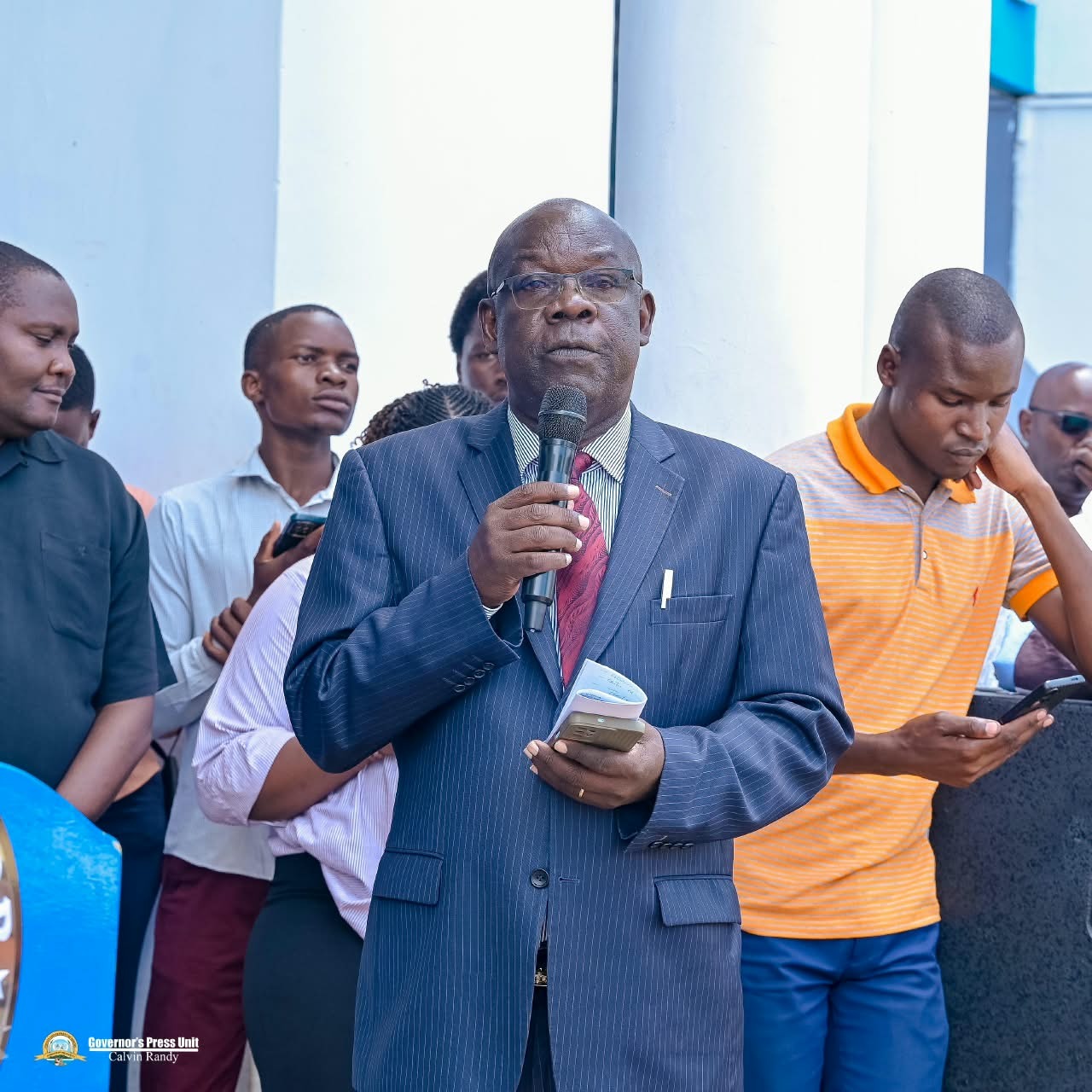
- Education expert Emmanuel Manyasa argues that Kenya’s university funding crisis stems from chronic government underfunding, not flaws in the Student-Centred Funding Model.
- He noted that government support has dropped from covering 80% of universities’ operational costs to about 40%, leaving institutions struggling with salaries, infrastructure, research, and student services.
- Manyasa and other education leaders, including Julius Melly, emphasised that sustainable reforms must focus on adequate and predictable government financing rather than repeatedly changing funding formulas.
Education expert and Usawa Agenda Executive Director, Emmanuel Manyasa, has said Kenya’s university funding crisis is primarily caused by inadequate government financing rather than flaws in the Student-Centred Funding Model. Speaking during a local television interview on Tuesday, July 28, 2026, Manyasa urged education stakeholders to increase funding to public universities, warning that changing financing models without addressing budget constraints will not resolve the sector’s long-standing financial challenges.
Education expert and Usawa Agenda Executive Director Emmanuel Manyasa has attributed Kenya’s university funding crisis to chronic underfunding by the government, arguing that insufficient budget allocations, not the Student-Centred Funding Model, are responsible for the financial challenges facing public universities.
Speaking during the interview with a local television station on Tuesday, Manyasa said the current funding model was introduced hastily three years ago, resulting in implementation difficulties that have diverted attention from the real issue affecting higher education institutions.
“The funding model is not the problem. The problem is the resources being channelled to the sector,” Manyasa said.
Declining Government Commitment Weakens Universities
According to Manyasa, the government’s declining financial commitment to universities has significantly weakened the sector’s ability to deliver quality education. He noted that while the initial plan was for the government to finance about 80 per cent of universities’ operational costs, actual funding has since dropped to nearly 40 per cent.
He said the reduced allocations have left institutions struggling to meet essential expenses, including staff salaries, infrastructure development, research programmes, and student support services.
Manyasa argued that the limited funding available has forced the government to make difficult decisions when allocating financial aid to students. As a result, he said, budget limitations rather than students’ actual financial needs have increasingly influenced placement into funding bands under the Student-Centred Funding Model.
He explained that because resources are inadequate, only a limited number of students can be placed in the higher funding categories, even when they genuinely require greater financial support to pursue university education.
“As long as we don’t deal with the root cause, which is the budget constraint, it doesn’t matter which funding model we introduce,” Manyasa said, adding that lasting reforms must focus on increasing investment in higher education instead of repeatedly introducing new financing structures.
ALSO READ:
TSC announces historic 34,016 teacher promotion vacancies, applications close August 10
His remarks come amid renewed national debate on the future of university financing following calls from stakeholders to review the current funding framework.
National Assembly Education Committee Chairperson Julius Melly has also acknowledged that public universities have faced decades of inadequate funding. He noted that previous financing systems, including the Differentiated Unit Cost model introduced between 2014 and 2015, failed to sustain universities because government funding did not keep pace with rising student enrolment and increasing operational costs.
Education stakeholders have maintained that the financial sustainability of universities will depend largely on adequate and predictable government funding rather than changes to financing formulas alone.
Manyasa maintained that resolving the funding gap is essential to securing the future and competitiveness of Kenya’s public universities.
By Bernard Magada
You can also follow our social media pages on Twitter: Education News KE and Facebook: Education News Newspaper for timely updates.
>>> Click here to stay up-to-date with trending regional stories
>>> Click here to read more informed opinions on the country’s education landscape
>>> Click here to stay ahead with the latest national news.