- High‑performing classrooms thrive not on harsh discipline but on trust, respect, and strong teacher‑learner relationships that inspire confidence and participation.
- Success comes from thorough planning, organisation, clear expectations, positive routines, and collaboration, all of which create stable environments where meaningful learning flourishes.
- Teachers who celebrate achievements, foster self‑discipline, and balance innovation with human connection transform classrooms into spaces where learners grow academically, emotionally, and socially.
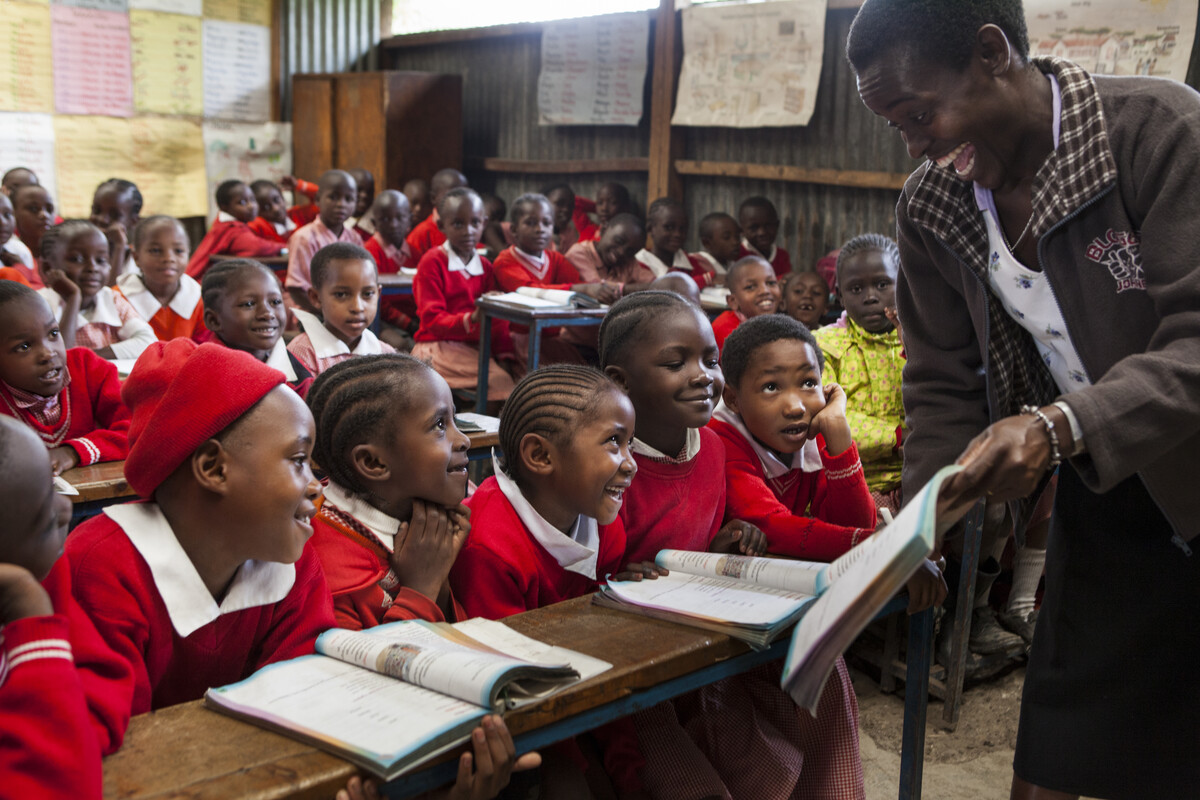
Walk into any outstanding classroom, and you will immediately notice something remarkable. Learners are engaged, discussions are lively, respect flows naturally, and learning happens with purpose. Contrary to popular belief, this atmosphere is not created by harsh discipline or fear. Instead, it is built by teachers who understand that lasting success begins with trust, consistency, and meaningful relationships.
Great teachers do far more than deliver lessons. They create environments where every learner feels valued, challenged, and inspired to grow. They know that when students feel safe and respected, they become more willing to participate, ask questions, take academic risks, and unlock their full potential.
A successful classroom is therefore not defined by silence, but by productive learning. It is a place where learners understand expectations, respect one another, and take responsibility for their own progress.
Effective classroom management is one of the most important professional skills every teacher should master. It is not simply about maintaining order; it is about creating the conditions that allow meaningful learning to flourish every single day.
Planning is the foundation of an effective classroom. Teachers who prepare thoroughly before every lesson are better equipped to deliver engaging learning experiences. Well-structured lessons minimise confusion, reduce unnecessary interruptions, and keep learners actively involved from the beginning to the end of every class.
Organisation is equally important. A classroom where learning materials are readily available, routines are clearly established, and transitions are smooth allows more time to be spent on teaching instead of dealing with avoidable disruptions. Learners quickly develop confidence when they know what is expected of them.
Respect remains the heartbeat of every thriving learning environment. Great teachers do not demand respect through authority alone; they earn it through fairness, patience, empathy, and consistency. When learners feel respected, they naturally extend the same courtesy to their teachers and classmates, creating a culture built on mutual understanding.
ALSO READ:
St. Joseph Nyabigena teacher appointed Nyanza Region referees instructor by FKF
Strong teacher-learner relationships have become one of the defining characteristics of high-performing schools around the world. Students who know their teachers genuinely care about their success are more motivated to attend class, complete assignments, and persevere through academic challenges.
Positive classroom routines also play a transformative role. Simple daily practices such as greeting learners warmly, beginning lessons promptly, encouraging active participation, and ending each lesson with reflection help establish stability and predictability. Over time, these routines become habits that strengthen discipline without creating unnecessary tension.
Clear expectations are equally essential. Learners perform better when they understand not only academic goals but also behavioural standards. Classroom rules should be straightforward, fair, and consistently applied to everyone. Consistency builds trust because learners recognise that expectations do not change depending on mood or circumstance.
One of the greatest responsibilities of any teacher is creating a classroom where every learner feels emotionally and physically safe. Students should never fear expressing their opinions, asking questions, or making mistakes. Mistakes are valuable growth opportunities, and classrooms that embrace this mindset encourage deeper learning and greater confidence.
Collaboration is another powerful ingredient of effective classroom management. Learning is strengthened when students work together, exchange ideas, solve problems collectively, and appreciate different perspectives. Cooperative learning builds communication skills, teamwork, and respect for diversity while making lessons more engaging.
Parents also play a critical role in supporting successful classrooms. Regular communication between teachers and families helps reinforce positive behaviour, strengthen academic expectations, and provide timely support whenever challenges arise. When schools and parents work together, learners benefit from a consistent message both at school and at home.
Academic excellence does not happen by accident. It grows from high expectations, continuous encouragement, and a belief that every learner can improve. Great teachers challenge students to stretch beyond their comfort zones while providing the guidance and support necessary for success.
Equally important is recognising achievement, no matter how small. Celebrating effort, improvement, creativity, and resilience boosts learners’ confidence and motivates them to keep striving for excellence. Positive reinforcement often produces longer-lasting results than punishment.
Discipline should never be confused with intimidation. True discipline is about helping learners develop self-control, responsibility, integrity, and respect for others. The ultimate goal is to nurture independent individuals who make good choices even when no one is watching.
ALSO READ:
School principals set to face parliament over management of billions in capitation funds
As education continues to evolve in the digital era, classrooms must also embrace innovation while maintaining strong human connections. Technology can enhance learning, but it can never replace the influence of a caring, committed, and inspiring teacher. The most advanced learning tools become truly effective only when guided by educators who know how to motivate and connect with their learners.
The world’s best classrooms are not necessarily those with the newest buildings or the most expensive equipment. They are the classrooms where learners feel welcomed every morning, challenged every lesson, supported through every difficulty, and celebrated with every achievement.
Ultimately, great classrooms are built one relationship at a time, one lesson at a time, and one learner at a time. They are shaped by teachers who understand that education extends beyond textbooks and examinations. It is about nurturing confidence, character, curiosity, and a lifelong love for learning.
When teachers lead with compassion, prepare with purpose, communicate with clarity, and inspire with passion, they transform ordinary classrooms into extraordinary spaces where dreams begin, talents flourish, and future leaders are born.
By Hillary Muhalya
You can also follow our social media pages on Twitter: Education News KE and Facebook: Education News Newspaper for timely updates.
>>> Click here to stay up-to-date with trending regional stories
>>> Click here to read more informed opinions on the country’s education landscape