- Kirinyaga County Assembly has passed a motion to support adolescent mothers in resuming education or enrolling in vocational training, following alarming teenage pregnancy cases.
- Teenage pregnancy crisis is severe, with at least 2,000 cases being reported in Kirinyaga annually; some wards report that over 25% of antenatal clinic attendees are teenagers.
- Targeted interventions are needed in high‑risk wards like Mwea East, Baragwi, Karumandi, Murinduko, and Nyangati, where adolescent pregnancy rates have sharply risen year‑on‑year.
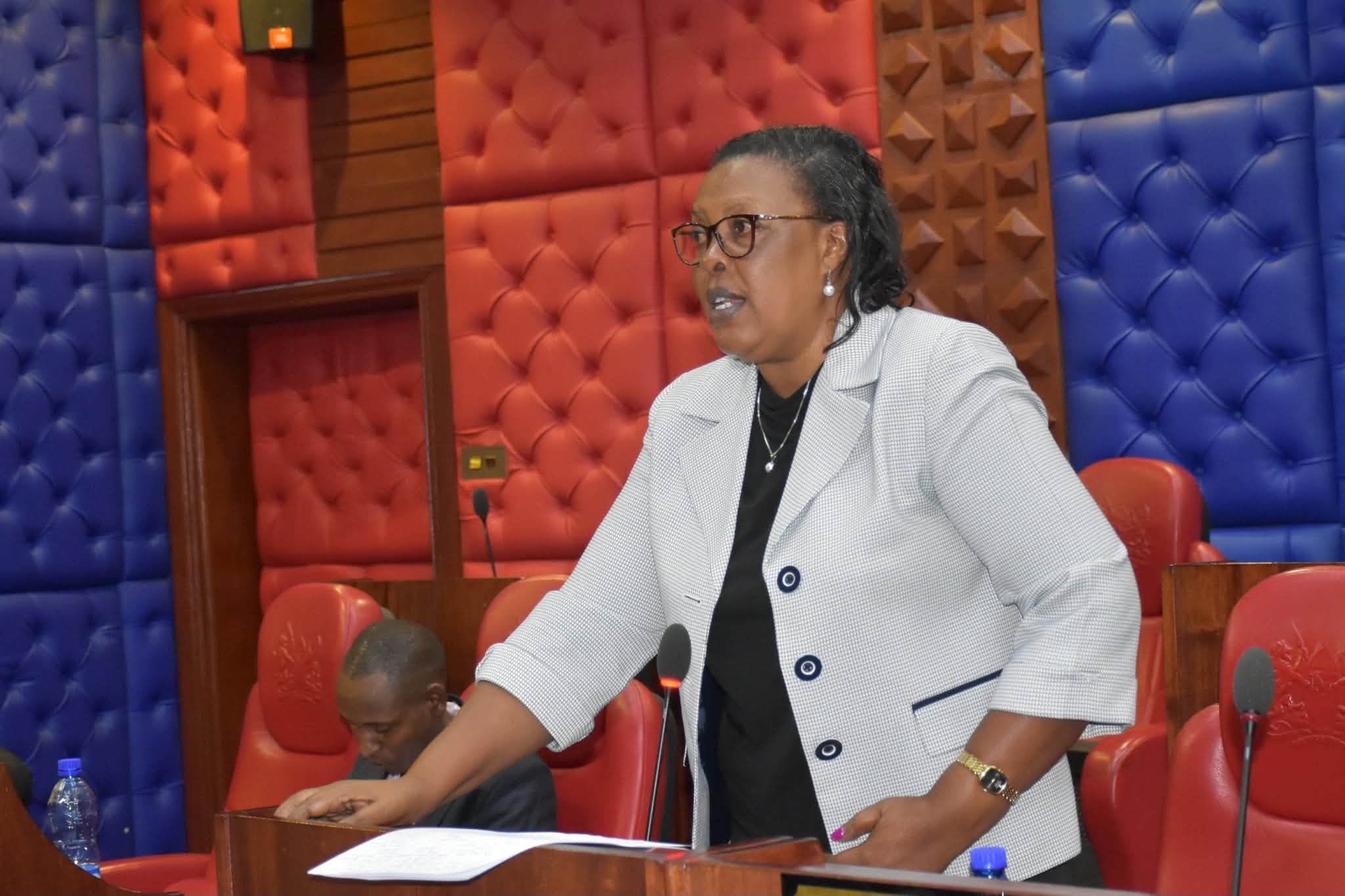
Kirinyaga County Assembly has passed a motion to help adolescent mothers resume their education or enrol in vocational training, after a routine inspection of Kerugoya County Referral Hospital exposed the scale of a teenage pregnancy crisis gripping the county. The motion followed a distressing scene after one legislator stumbled upon at the facility’s antenatal clinic during the inspection tour.
MCA Grace Kamau said she noticed an unusually high number of young girls lining up for antenatal care during the tour, accompanied by their mothers or guardians. Among them was a heavily pregnant 10-year-old who struggled to sit through much of her clinic visit and instead remained standing for the better part of it.
The sight prompted Kamau to return to the clinic after the official inspection to gather further information, determined to establish whether what she had witnessed reflected a wider pattern. A former teacher before her nomination to the assembly, Kamau said her background gave her a deeper appreciation of the hardships young girls face when they give birth at such an early age.
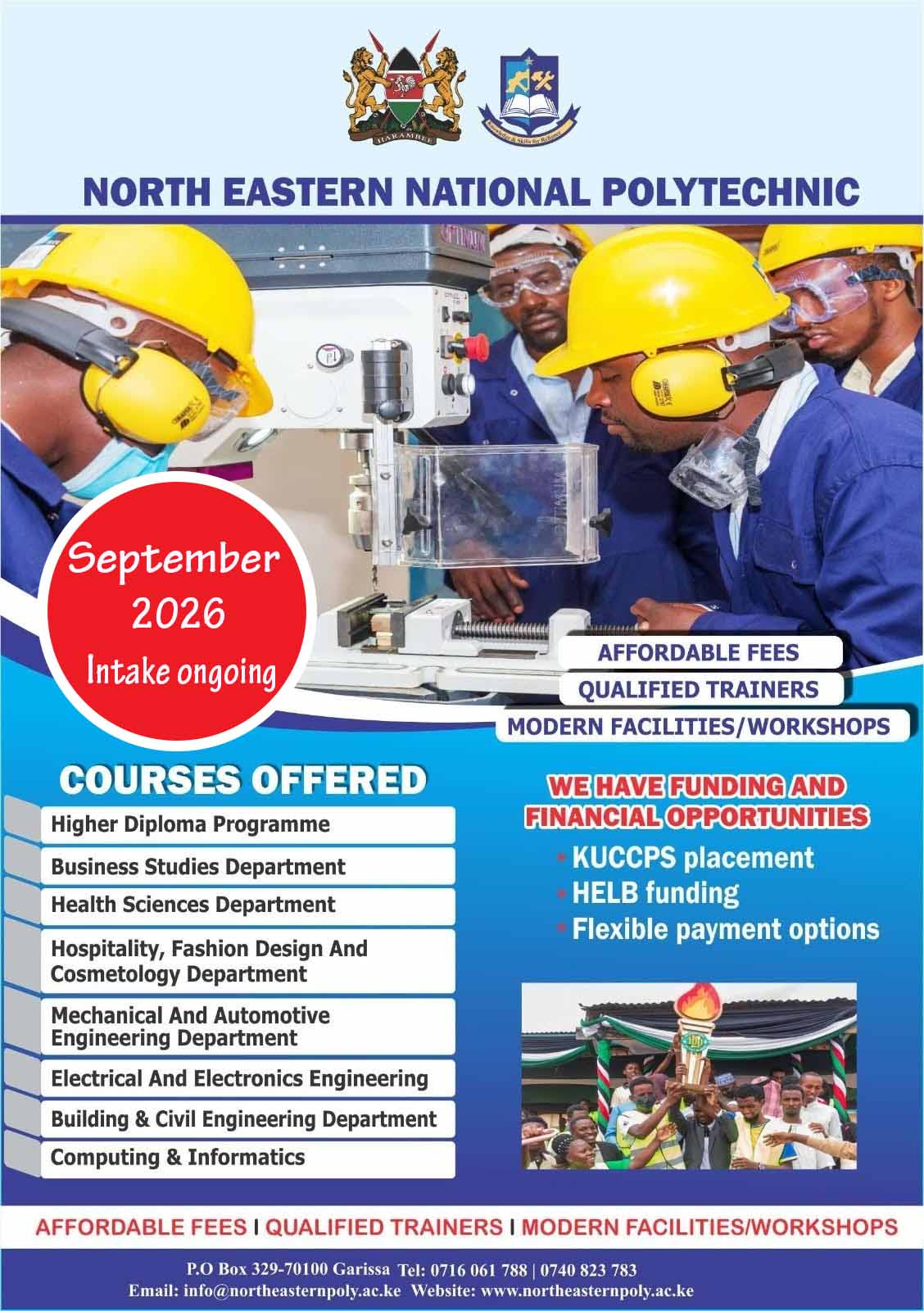
Armed with statistics from her follow-up inquiries, Kamau drafted a motion that was subsequently backed by fellow MCAs. The motion seeks to have adolescent mothers who are unable to return to formal schooling absorbed into the county’s polytechnics, where they can enrol in various vocational courses.
“It is very unfortunate that a 10-year-old girl has dropped out of school to give birth to a baby. I don’t know whether she will go back to school, but if she doesn’t, we have passed a motion at the assembly that will give her a chance to enrol at the county’s polytechnic where she will get enrolled for different courses being offered,” Kamau said, adding that some of the statistics she had encountered were deeply troubling, including a case of a 10-year-old girl admitted to a psychiatric ward following a mental breakdown.
ALSO READ:
Suspected mumps cases reported in Nairobi schools, parents urged to stay alert
Kirinyaga County records at least 2,000 adolescent pregnancies annually, with 600 cases already reported in the first quarter of 2026 alone. At the current pace, the county could once again approach the 2,000 mark by the end of the year unless stronger interventions are put in place.
The crisis is heavily concentrated in the irrigation-based Mwea East and Mwea West Sub-Counties, where some wards report that more than a quarter of all pregnant women attending antenatal clinics are teenagers. Health officials suggest that social and economic factors linked to the area’s agricultural economy, including migration, informal labour and limited access to reproductive health information, may be driving the trend.
Wards flagged for urgent intervention include Mwea East, Mwea West, Baragwi, Karumandi and Mukure, where recent figures show either persistently high adolescent pregnancy rates or sharp year-on-year increases. Health officials say these areas will likely require targeted community outreach, school-based reproductive health education and enhanced adolescent-friendly health services.
In Karumandi Ward, Kirinyaga East, the share of pregnant adolescents jumped from 8.8 per cent in 2023 to 33.8 per cent in 2024, before easing to 15.8 per cent in 2025. Baragwi Ward recorded a similar spike, rising from 11.6 per cent in 2024 to 25.8 per cent in 2025.
In Kirinyaga Central, Inoi Ward saw its adolescent pregnancy rate more than double, from 10.2 percent in 2024 to 22.2 per cent in 2025, before falling back to 10.9 percent in the first quarter of 2026.
Among the county’s 20 wards, Murinduko has consistently recorded the highest number of adolescent pregnancy cases, with 221 cases in 2022 and 168 in 2025. In the first quarter of 2026 alone, 63 adolescents made their first antenatal clinic visit in the ward, accounting for 23.9 per cent of all pregnant women seen during that period.
Gathigiriri Ward has also posted persistently high rates, with adolescents making up 23.7 per cent of pregnant women in 2022, 23.1 per cent in 2023, 18.9 per cent in 2024 and 20.6 per cent in 2025. The rate remained elevated at 20.7 per cent between January and March 2026.
ALSO READ:
No salary rise for TVET trainers as CS Ogamba explains why government’s hands are tied
Nyangati Ward recorded the county’s highest number of adolescent pregnancies in a single year, with 276 cases in 2025, while Tebere Ward has maintained persistently high figures, ranging from 146 cases in 2022 to 116 in 2025.
Kirinyaga West has generally maintained adolescent pregnancy rates of between 12 and 16 per cent, though Mukure Ward posted a worrying rise to 22.9 per cent in the first quarter of 2026. Kiine Ward remained consistently high, recording 182 adolescent pregnancy cases in both 2024 and 2025.
Kamau linked the crisis to a broader shift in school drop-out patterns in Mwea, noting that the pregnancies have involved fellow learners as well as boda boda riders. “We have received alarming information on the drop-out rate in Mwea. Previously it was boys who dropped out of school to work in the rice fields; today, as we speak, the drop-out rate of our girls is very high, and that has been attributed to early pregnancies. Imagine a child bringing up a child. What happens to such a case if there is no caregiver or guardian to assist?” Kamau asked.
By Jane Mugambi
You can also follow our social media pages on Twitter: Education News KE and Facebook: Education News Newspaper for timely updates.
>>> Click here to stay up-to-date with trending regional stories
>>> Click here to read more informed opinions on the country’s education landscape