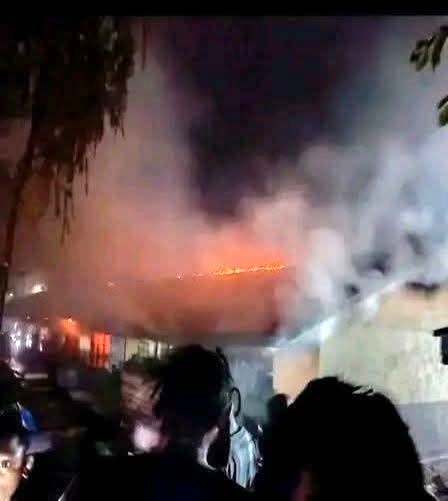
- The unrest at Nyabisase Secondary School has reignited debate on school leadership transitions, learner discipline and conflict management.
- Education experts say effective communication and stronger guidance systems are essential in preventing school unrest.
- The incident has also highlighted the urgent need to strengthen the safety and wellbeing of teachers during school crises.
The unrest at Nyabisase Secondary School in Kisii County has emerged as a powerful reminder of the complex challenges confronting Kenya’s education sector, exposing critical questions about leadership transitions, communication, student discipline, conflict resolution and teacher safety.
What began as opposition to the appointment of a new principal quickly escalated into a crisis that disrupted learning, destroyed school property and forced the institution to close indefinitely.
The incident has triggered national reflection on how schools manage change, resolve disputes and protect the people entrusted with educating future generations.
The unrest, which occurred in Bobasi Constituency, transformed what should have been a routine administrative transition into a period of fear and uncertainty for learners, teachers, parents and the wider community.
According to reports, some students opposed the leadership change, with tensions escalating as emotions intensified within the school.
Groups of learners reportedly abandoned classes and gathered within the school compound as teachers and administrators struggled to restore calm.
The situation deteriorated further when stones were allegedly thrown and normal learning came to a standstill.
The crisis reached its peak when a dormitory caught fire during the unrest, prompting intervention by security officers and emergency responders.
Education and security officials later visited the institution before ordering its indefinite closure to facilitate investigations and restore normalcy.
Communication matters
Education experts say the incident demonstrates that even legitimate administrative decisions can generate conflict if communication is inadequate or misinformation spreads among learners.
They argue that leadership transitions should be accompanied by clear communication involving teachers, learners, parents and Boards of Management.
Transparent engagement helps reduce uncertainty while enabling stakeholders to appreciate the purpose of administrative changes.
Dialogue over destruction
The Nyabisase incident has also renewed debate on discipline management in schools.
Although most Kenyan schools continue to provide safe learning environments, isolated cases of unrest, vandalism and arson remain a serious concern because of their impact on education.
Education stakeholders maintain that dialogue should always replace violence when disagreements arise.
Schools are expected to nurture responsible citizens capable of resolving conflicts peacefully through communication and mutual respect.
Guidance and counselling departments have increasingly become important in preventing school conflicts.
Education experts argue that learners require emotional support, mentorship and safe platforms through which they can express concerns before tensions escalate.
They also recommend strengthening student leadership structures to improve communication between learners and school administrators.
Properly mentored student leaders can identify emerging concerns early and encourage constructive dialogue.
Protecting teachers
The unrest has equally highlighted the often-overlooked issue of teacher safety.
Teachers remain central to education delivery but frequently find themselves exposed to threats, intimidation and unsafe working conditions during periods of unrest.
Education specialists argue that teachers should never be expected to perform security functions during violent confrontations.
Schools are therefore encouraged to establish clear emergency response plans while investing in conflict management training, counselling services and psychological support for educators.
The emotional impact of school unrest on teachers should also receive greater attention.
Parents continue to play a critical role in nurturing discipline and respect for authority.
Values such as responsibility, patience and peaceful conflict resolution begin at home before being reinforced in school.
Stakeholders further emphasise the importance of accountability, noting that acts of arson, vandalism and violence remain criminal offences regardless of where they occur.
Education experts also advocate stronger early warning systems, mentorship programmes, peer counselling initiatives and regular student forums to detect emerging tensions before they develop into crises.
Beyond the destruction of buildings, school unrest interrupts learning, delays syllabus coverage and places additional pressure on teachers and candidates preparing for national examinations.
Ultimately, the Nyabisase incident serves as a national lesson on the importance of leadership, communication, discipline and teacher safety.
Education stakeholders say schools can only flourish where dialogue is encouraged, trust is strengthened and every member of the school community feels respected and protected.
READ ALSO: Nyamache Boys: Another school in Kisii catches fire
As Kenya continues strengthening its education system, they argue that effective leadership transitions, responsible learners and protected teachers will remain essential pillars of safe and successful schools.
By Hillary Muhalya
You can also follow our social media pages on Twitter: Education News KE and Facebook: Education News Newspaper for timely updates.
>>> Click here to stay up-to-date with trending regional stories
>>> Click here to read more informed opinions on the country’s education landscape