- Moi University is battling liabilities exceeding KSh10 billion, declining student enrolment and mounting operational costs.
- The university has embarked on restructuring, including staff rationalisation, as it seeks to restore financial stability.
- Education experts say long-term recovery will require governance reforms, diversified revenue streams and renewed public confidence.
Once celebrated as one of Kenya’s premier institutions of higher learning, Moi University now finds itself on the edge of a financial precipice.
Burdened by liabilities exceeding KSh10 billion and weighed down by years of declining enrolment, mounting operational costs, governance challenges and shrinking revenue, the university has become a symbol of the growing financial distress confronting Kenya’s public universities.
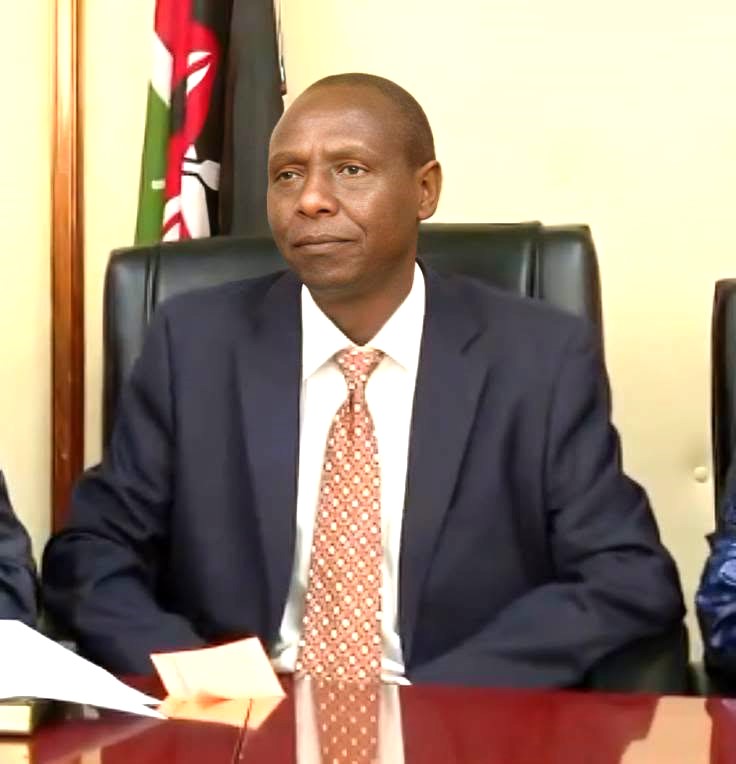
Appearing before the Parliamentary Committee on Education, Acting Vice-Chancellor Prof. Kiplagat Kotut presented a sobering assessment of the institution’s financial position.
He told legislators that Moi University had become technically insolvent, with accumulated debts, pending bills, unpaid statutory deductions, pension obligations and supplier arrears stretching far beyond its ability to settle them.
Years of expenditure exceeding income have left the university struggling to pay salaries, maintain infrastructure, settle creditors and sustain normal academic operations.
Members of Parliament expressed concern over the institution’s deteriorating financial position and called for accountability together with a credible recovery strategy.
Prof. Kotut explained that the university has embarked on a comprehensive restructuring programme that includes reviewing staff workloads and eliminating redundant positions while retaining essential personnel.
Management argues that the institution can no longer sustain a workforce established when student enrolment exceeded 40,000.
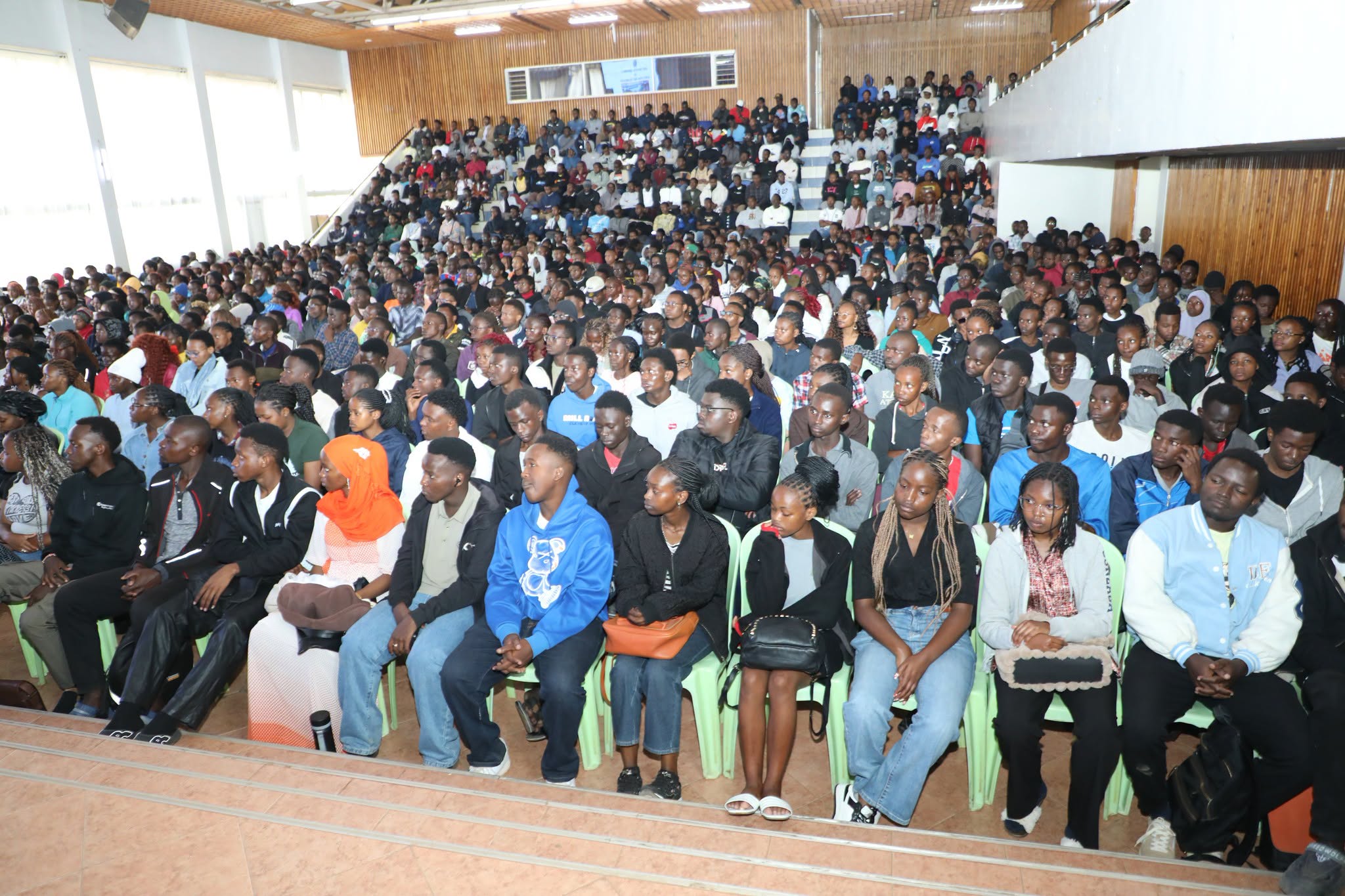
Current enrolment has dropped to approximately 12,000 students, significantly reducing tuition revenue and leaving the university with an unsustainable wage bill.
The consequences have already been severe.
Hundreds of academic and non-academic staff have either lost their jobs or face possible retrenchment as management seeks to reduce recurrent expenditure.
Although university leaders describe the restructuring as painful but necessary, every redundancy represents families facing financial uncertainty.
Beyond retrenchment
Members of Parliament observed that the university’s liabilities now exceed its assets, effectively rendering the institution insolvent.
The university’s Internal Audit Department similarly acknowledged the seriousness of the financial crisis.
However, financial recovery cannot be achieved through staff reductions alone.
Moi University continues to grapple with unpaid pensions, delayed statutory remittances, outstanding supplier debts and costly legal disputes.
Some retired employees are still awaiting pension benefits earned after decades of service, while suppliers have moved to court seeking payment of outstanding invoices.
Industrial disputes have also complicated restructuring efforts, with workers’ unions challenging aspects of the retrenchment process and demanding compliance with labour laws and collective bargaining agreements.
Earlier attempts to retrench hundreds of employees were halted by the Employment and Labour Relations Court, which directed management to undertake meaningful consultations before implementing the layoffs.
Infrastructure and academic challenges
The financial crisis has also affected the university’s physical infrastructure.
Years of deferred maintenance have left lecture halls, laboratories, hostels and research facilities requiring extensive rehabilitation.
Ageing equipment has weakened practical instruction and research productivity, while several satellite campuses have become financially unsustainable because of declining student enrolment.
These challenges mirror broader problems affecting many public universities across Kenya.
Delayed government funding, increasing operational costs, declining enrolment, heavy dependence on tuition fees and expanding wage bills have placed several institutions under unprecedented financial pressure.
The road to recovery
Despite its current challenges, Moi University retains considerable strengths.
Its distinguished academic heritage, experienced faculty, accomplished alumni and decades of contribution to national development provide a strong foundation for recovery.
However, restoring the institution will require reforms extending far beyond workforce rationalisation.
The national government could consider a carefully structured financial rescue package tied to strict accountability, transparent governance, independent audits and measurable performance targets.
At the institutional level, stronger financial management, prudent budgeting, transparent procurement, effective internal controls and rigorous oversight will be essential in rebuilding public confidence.
Diversifying revenue sources should also become an urgent priority.
Consultancy services, commercial agriculture, innovation hubs, research grants, conference facilities, professional training programmes, technology transfer and strategic industry partnerships could reduce dependence on tuition fees.
Academic renewal will be equally important.
Introducing programmes aligned with emerging labour market demands—including artificial intelligence, cybersecurity, renewable energy, climate science, agribusiness and health technologies—could improve competitiveness and attract more students.
The university could also rationalise underperforming satellite campuses, strengthen collaboration with industry and international partners, mobilise its alumni network to establish an endowment fund and accelerate digitisation of financial and administrative systems.
A national wake-up call
Above all, financial recovery must never come at the expense of academic excellence.
Teaching, research and community service remain the university’s core mandate.
Rebuilding public confidence will ultimately depend not only on balancing the books but also on restoring educational quality and institutional integrity.
The crisis facing Moi University serves as a national wake-up call.
Public universities remain central to Kenya’s economic transformation by producing teachers, doctors, engineers, scientists, entrepreneurs and innovators.
Allowing them to drift into insolvency risks weakening the country’s ability to develop the skilled workforce needed to drive future economic growth.
READ ALSO: West Pokot: Talau Comprehensive School teachers lead menstrual hygiene awareness campaign for learners
If the reforms proposed by university management, Parliament and other stakeholders are implemented with discipline, transparency and long-term commitment, Moi University can recover and once again become one of Kenya’s leading centres of higher learning.
By Hillary Muhalya
You can also follow our social media pages on Twitter: Education News KE and Facebook: Education News Newspaper for timely updates.
>>> Click here to stay up-to-date with trending regional stories
>>> Click here to read more informed opinions on the country’s education landscape