-
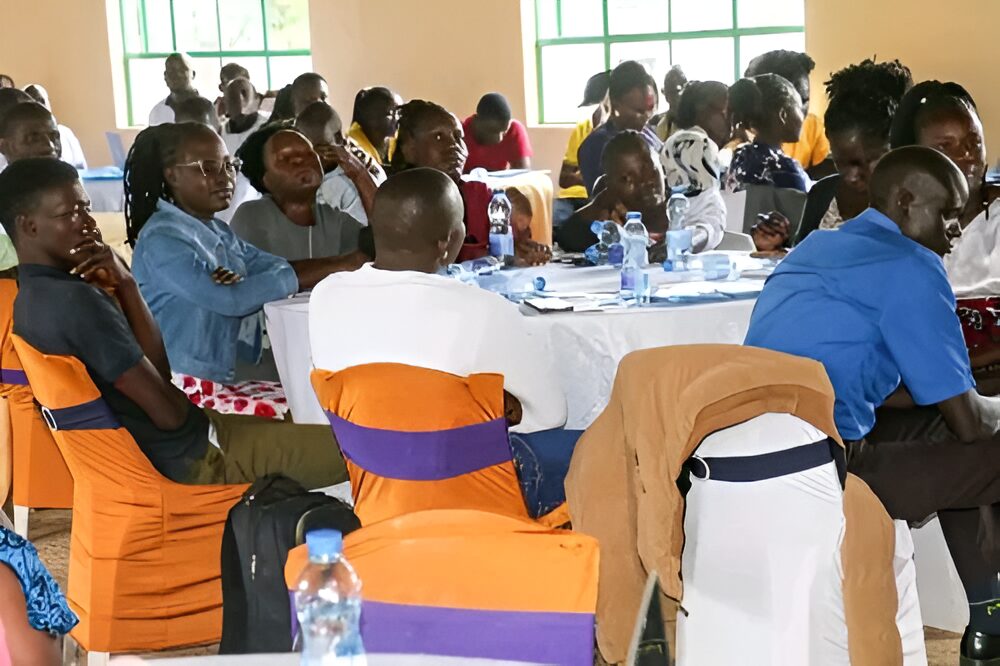
Over 150 JS teachersin Kisumu County have been trained on the use of virtual laboratories to enhance the teaching of Mathematics and Integrated Sciencie as part of efforts to strengthen STEM education in schools facing inadequate laboratory facilities
-
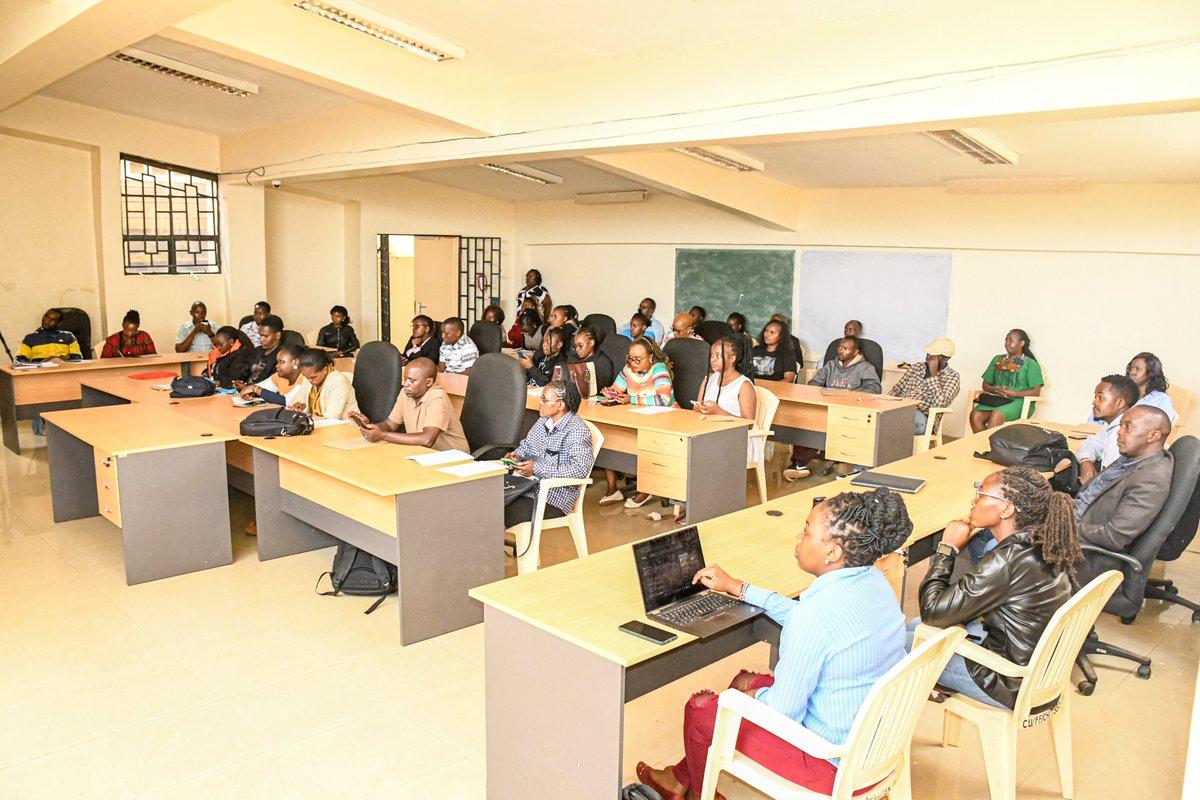
The CEMASTEA training brought together teachers from all eight sub-counties in Kisumu County to build their capacity to integrate virtual laboratory technology into classroom instruction under the Competency-Based Education (CBE),
More than 150 Junior School teachers in Kisumu County have undergone training on the use of virtual laboratories to enhance the teaching of Mathematics and Integrated Science, as part of efforts to strengthen STEM education in schools facing inadequate laboratory facilities.
The three-day training, organised by the Centre for Mathematics, Science and Technology Education in Africa (CEMASTEA), brought together teachers from all eight sub-counties in Kisumu County to build their capacity to integrate virtual laboratory technology into classroom instruction under the Competency-Based Education (CBE).
Speaking during the training at Nyakach Girls Senior School on Wednesday, July 1, Kisumu County trainers’ representative Chadwick Ajwang said the programme will equip teachers with the skills to deliver practical science lessons using digital simulations, particularly in schools with limited or no laboratory equipment.
“Virtual laboratories recreate real-life scientific experiments using technology, allowing learners to carry out practical activities in a digital environment while developing the same scientific concepts taught in physical laboratories,” said Ajwang.
ALSO READ:
Industry experts to grade TVET practical exams as CDACC launches nationwide verification
He explained that teachers were equipped with the skills to plan, facilitate and assess virtual science experiments, enabling learners to acquire practical knowledge despite challenges such as inadequate infrastructure and limited access to science resources.
Ajwang said the initiative is expected to ease some of the challenges Junior Schools face in delivering practical lessons and strengthen the implementation of science education.
“Empowering teachers with innovative teaching methods is essential in preparing learners for a technology-driven future. This approach gives teachers new ways of making science learning more engaging and accessible,” he said.
Ajwang said feedback from participants indicated overwhelming support for the programme, with many teachers identifying virtual laboratories as an effective solution to the resource challenges limiting STEM education.
He added that the digital learning tools would enable learners to continue exploring scientific concepts beyond the classroom through smartphones and other digital devices.
ALSO READ:
What Kenya can learn from Nigeria’s plan to merge Junior and Senior Secondary schools
“Technology provides an opportunity for learners to continue learning outside school hours and also allows parents and guardians to support their children’s education by engaging with these learning tools,” said Ajwang.
The trainers urged teachers to integrate virtual laboratory sessions into conventional classroom instruction, emphasizing that the technology is intended to complement—not replace—physical experiments where laboratory facilities are available.
They noted that this blended learning approach would enable learners to build digital competencies while also strengthening their hands-on practical skills.
By Frank Mugwe
You can also follow our social media pages on Twitter: Education News KE and Facebook: Education News Newspaper for timely updates.
>>> Click here to stay up-to-date with trending regional stories
>>> Click here to read more informed opinions on the country’s education landscape