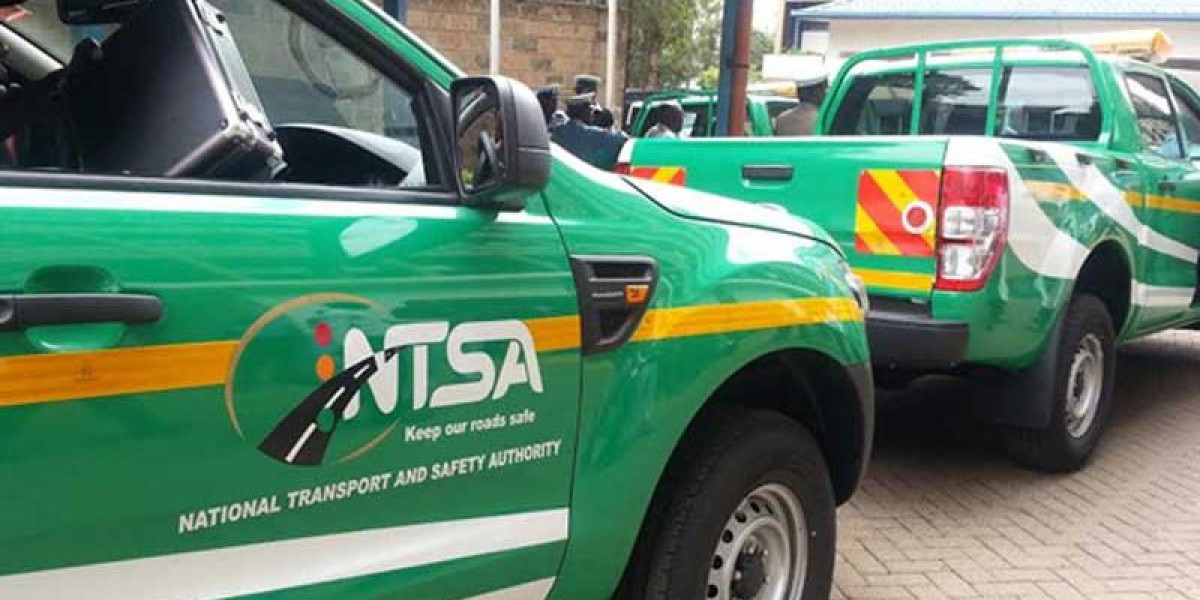
- NTSA has introduced stricter regulations aimed at improving the safety of learners using school transport.
- Drivers without the correct licence, PSV badge or medical fitness clearance will be barred from transporting learners.
- Schools have been directed to ensure vehicles meet safety standards and operate only during designated hours.
Under new regulations introduced by the National Transport and Safety Authority (NTSA), drivers who are medically unfit or do not possess the appropriate licence category will be prohibited from transporting school learners.
The authority has also ruled that drivers without a valid Public Service Vehicle (PSV) badge, as well as those found operating vehicles under the influence of alcohol or drugs, will not be permitted to carry learners.
NTSA said the measures are aimed at enhancing safety in school transport, streamlining operations within the sector and ensuring transport providers are held accountable for violations of the regulations.
NTSA Road Safety Manager Eva Nyawira noted that the new regulations were prompted by concerning statistics indicating that children account for more than 30 per cent of road crash victims in Kenya.
“Thirty per cent of all the crashes that we observe on our roads involve children under the age of 18. That is a big number and, as educators, we really need to deal with this,” she said.
Driver requirements
According to the guidelines, only drivers who are authorised, properly qualified and medically fit will be permitted to operate vehicles transporting learners.
“In terms of driver requirements, the person must be authorised, qualified, have the appropriate licence category, possess a PSV badge and be medically fit,” said Nyawira.
She further emphasized that drivers should have adequate knowledge of the routes they serve to guarantee the safe and efficient transportation of learners.
School vehicle standards
In addition to driver requirements, NTSA has introduced strict regulations for school transport vehicles, including mandatory roadworthiness assessments and regular inspections to ensure compliance with safety standards.
“The provisions on school vehicles include ensuring that these vehicles are roadworthy, regularly inspected, have a functional seat belt for every child and are fitted with a functional speed governor,” Nyawira stated.
She added that all school vehicles must also be equipped with fire extinguishers and first-aid kits and be clearly identified as school transport vehicles.
“A vehicle that does not meet these requirements must not transport learners,” she said.
The authority has also assigned school principals a supervisory role, requiring them to oversee drivers, ensure vehicles are regularly serviced and inspected and enforce compliance with the regulations.
In addition, NTSA directed that school transport vehicles should only operate between 6:00 a.m. and 6:00 p.m. as part of broader measures aimed at enhancing learner safety on Kenyan roads.
By Frank Mugwe
You can also follow our social media pages on Twitter: Education News KE and Facebook: Education News Newspaper for timely updates.
>>> Click here to stay up-to-date with trending regional stories
>>> Click here to read more informed opinions on the country’s education landscape