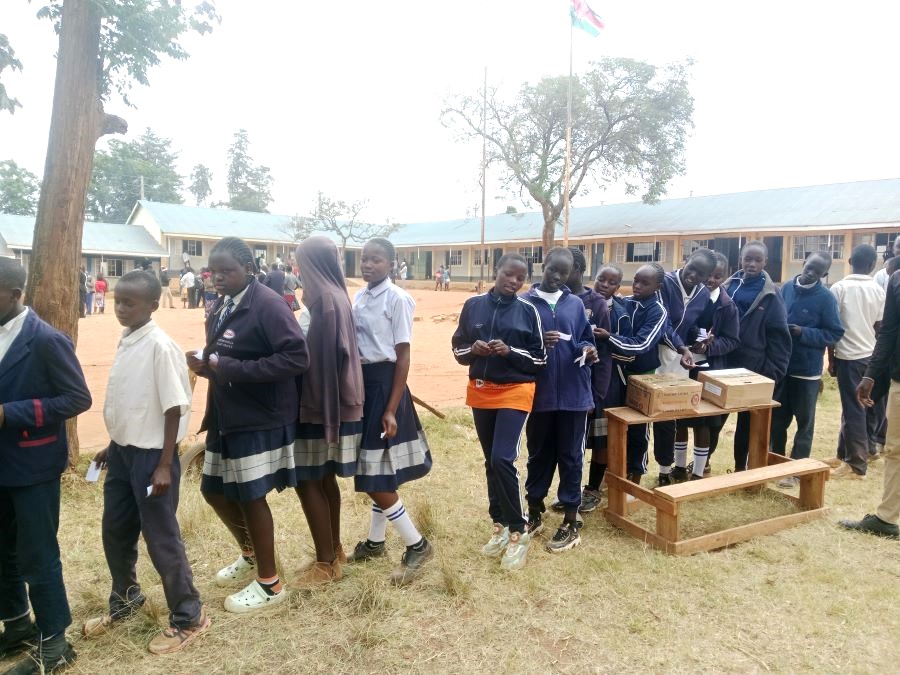
- Student councils play a crucial role in representing learners and addressing their welfare concerns.
- Leadership positions help students develop communication, teamwork and problem-solving skills.
- Effective student leadership strengthens the relationship between learners and school administration.
Student councils in learning institutions play a key role in promoting the welfare of learners and strengthening communication between students and school administration.
Normally, through guidelines provided by the Ministry of Education, students elect their leaders in various departments based on their strengths, abilities and leadership qualities.
During the election period, candidates campaign among their peers, seeking support and outlining how they intend to serve once elected.
In many institutions, students elect leaders based on performance, character and their ability to represent learners effectively.
One of the positive aspects of student leadership elections is that campaigns are generally inexpensive.
Unlike national politics, student elections focus more on ideas, service delivery and representation rather than financial influence.
In colleges and universities, students often elect leaders based on their ability to address issues affecting learners rather than tribal, regional or cultural considerations.
Even in primary and secondary schools, student leaders are elected to help address challenges such as food shortages, inadequate water supply, insecurity, sanitation concerns and other welfare matters.
Outside interference in student elections is generally minimal because learners understand that they are in school primarily to pursue their studies and prepare for their future careers.
Linking learners and administration
In any institution, the student council plays a vital role in overseeing the welfare of learners, including matters related to health, accommodation, security and general well-being.
Student leaders often organize meetings with their colleagues to collect concerns and grievances, which are then presented to teachers and administrators for discussion and possible resolution.
Through student leadership structures, solutions can be developed jointly by learners, teachers and school management.
This important link between learners and administrators helps avert, address and resolve many challenges before they escalate into major problems.
Building future leaders
Student leadership empowers young people by giving them active roles in decision-making, event coordination and peer mentorship.
It helps develop critical life skills such as communication, empathy, teamwork and problem-solving, enabling learners to grow into responsible citizens and future leaders.
To gain additional experience, student leaders often participate in conferences, seminars and workshops where they further develop leadership and interpersonal skills.
Good student leaders are characterized by strong time management, active listening, empathy and a commitment to serving others.
Examples of student leadership positions include school captains, student council members, prefects, club presidents and team captains.
Qualities of effective student leaders
Effective student leaders often demonstrate:
- Strong work ethic
- Good time management
- Active participation
- Effective study habits
- Self-motivation
- Responsibility and accountability
- Adaptability and flexibility
- Teamwork and collaboration
The structure of student leadership is usually hierarchical or distributed, providing students with a voice, delegating responsibilities and facilitating communication between the student body and the institution.
READ ALSO: Inside KESSHA’s radical plan to end school unrest
Student leadership plays an important role in learning institutions by promoting learner welfare, strengthening communication and nurturing future leaders.
Through effective student councils, schools are able to create a more inclusive environment where learners participate in decision-making while developing valuable leadership skills that benefit them throughout their lives.
By Martin Ruto
You can also follow our social media pages on Twitter: Education News KE and Facebook: Education News Newspaper for timely updates.
>>> Click here to stay up-to-date with trending regional stories
>>> Click here to read more informed opinions on the country’s education landscape