-
Public responses to school unrest often focus on punishment, discipline, and school management failures.
-
Adolescents are in a critical phase of identity formation, seeking belonging, recognition, autonomy, and purpose.
-
School unrest may sometimes reflect students’ attempts to express identity, agency, or frustration rather than purely irrational behaviour.
-
Peer groups can fill the gap of belonging, sometimes positively but at times contributing to collective unrest and destructive behaviour.
-
Participation in strikes may provide students with identity, recognition, and solidarity missing in formal school structures.
By Maingi M’Thuranira.
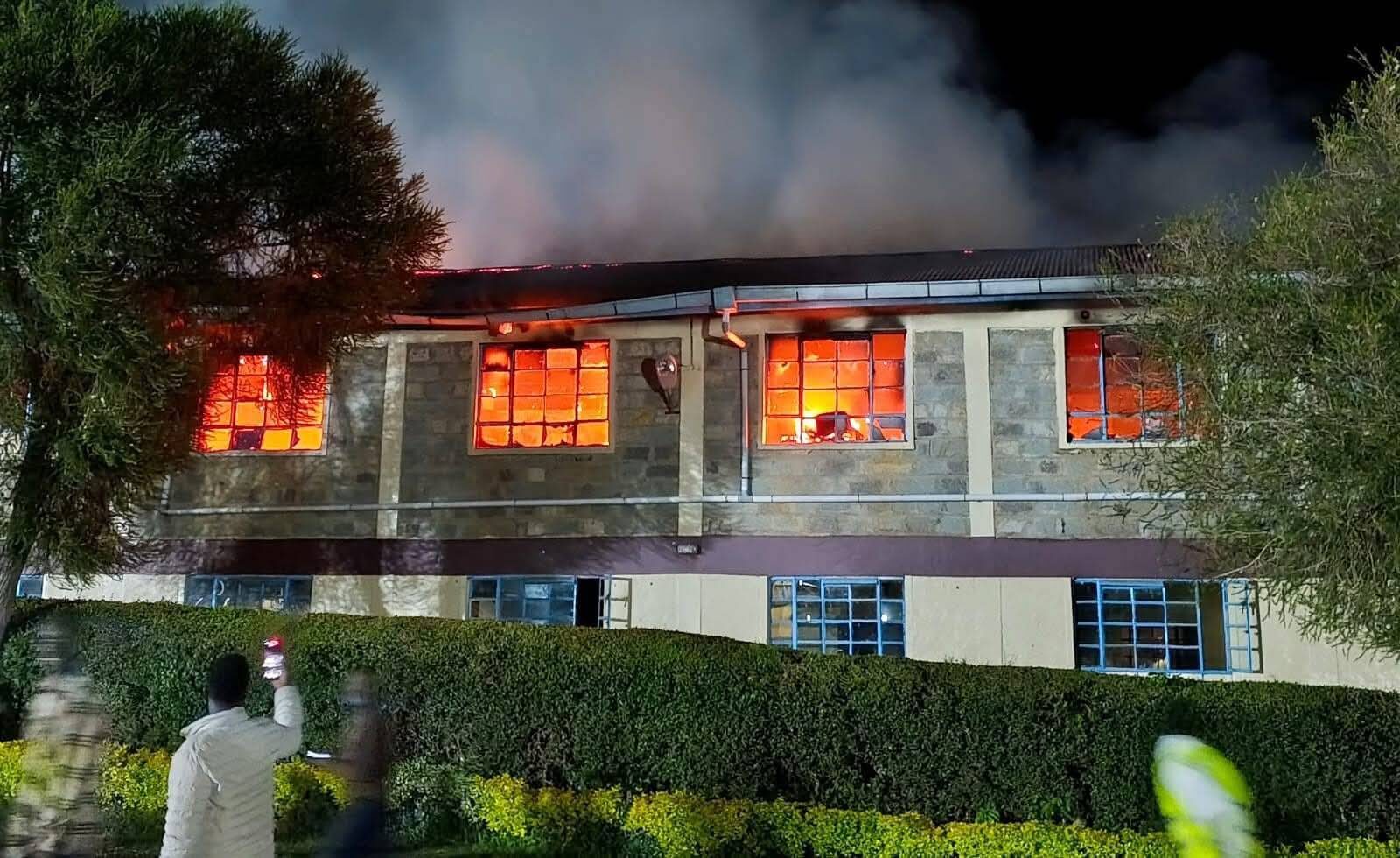
The recurring cycle of student strikes, dormitory fires and unrest in Kenyan secondary schools has become an unsettling feature of our educational landscape. Each time a school goes up in flames or learning is disrupted by protests, public debate predictably shifts towards punishment, discipline and school management. Questions emerge about the effectiveness of school rules, the firmness of principals, the role of parents and the severity of consequences for errant learners.
While discipline remains an important component of any functioning school, there is a growing need to ask whether we are diagnosing the problem correctly. What if the unrest we are witnessing is not merely a disciplinary crisis? What if it is also a developmental crisis?
To understand this possibility, we must look beyond school regulations and into the world of adolescence itself.
Developmental psychologist Erik Erikson proposed that individuals pass through a series of psychosocial stages throughout life. For adolescents, roughly between the ages of 12 and 18, the central developmental challenge is what he called Identity versus Role Confusion. During this stage, young people grapple with fundamental questions that shape their future lives: Who am I? Where do I belong? What do I believe in? Does my voice matter? What purpose do I have?
These questions are not academic. They are deeply personal and emotionally significant. Adolescents are actively constructing their identities, testing boundaries, seeking acceptance, and searching for meaning. They desire recognition, autonomy, and a sense of belonging.
When healthy pathways for meeting these needs are unavailable, young people often seek alternatives.
This reality may help explain why some school unrest appears irrational to adults. A dormitory burned over an unpopular rule, a strike triggered by a seemingly minor grievance, or collective defiance in the face of severe consequences can appear senseless from a disciplinary perspective. Yet from a developmental perspective, such actions may represent attempts by adolescents to assert agency, gain peer approval, or communicate frustrations that they feel have gone unheard.
ALSO READ;
St Benedict Kapkimolwa retain girls’ title at Bomet East Term II games
This does not excuse destructive behaviour. Rather, it helps us understand the forces driving it.
Today’s Kenyan adolescent faces pressures unlike those experienced by previous generations. Academic expectations remain immense, with success often narrowly defined through examination performance. At the same time, social media exposes learners to global lifestyles, competing identities, and constant comparison. Many young people navigate family instability, economic hardship, parental absence, and uncertainty about their futures. Mental health challenges, including anxiety, loneliness, and depression, are increasingly common but often insufficiently addressed.
Within this environment, schools remain one of the most influential institutions in shaping identity. Yet many schools continue to operate primarily through compliance models that emphasise obedience, conformity, and academic achievement while paying less attention to belonging, purpose, and emotional development.
The result can be a dangerous disconnect.
Students may be physically present in school but psychologically detached from it. They attend classes but feel unseen. They follow routines but feel unheard. They comply with rules but struggle to understand how the institution values them beyond examination results.
Human beings have an innate need to belong. Adolescents are no exception. In fact, belonging may be especially important during this developmental stage. When schools fail to provide healthy communities of belonging, peer groups often fill the vacuum. Sometimes these peer groups become positive sources of support. At other times, they evolve into spaces where rebellion, resistance, and destructive behaviour become badges of loyalty and identity.
A student who feels insignificant individually may suddenly feel powerful as part of a collective protest. Participation in unrest can provide recognition, status, and solidarity that the school environment has failed to offer.
This reality presents an important challenge for educators and policymakers. The question is not whether discipline matters—it does. Schools require order, structure, accountability, and clear expectations. However, discipline alone cannot solve problems rooted in identity, belonging, and purpose.
What is needed is a transformational approach to school leadership.
First, schools must create genuine avenues for student voice and participation. Young people need opportunities to express concerns, contribute ideas, and participate meaningfully in decisions affecting their lives. Student councils should move beyond ceremonial roles and become authentic platforms for engagement.
Second, mentorship must become central to educational practice. Every learner should encounter adults who know their name, understand their aspirations, and genuinely care about their growth. Teachers are not merely transmitters of knowledge; they are shapers of identity. A single caring mentor can alter the trajectory of a young person’s life.
Third, guidance and counselling services require renewed investment. Many students carry emotional burdens that remain invisible until they erupt through disruptive behaviour. Schools must create safe spaces where learners can process challenges, build resilience, and receive support before crises emerge.
Fourth, school culture matters profoundly. Learners thrive in environments where they feel respected, valued, and connected. Positive traditions, meaningful extracurricular activities, collaborative leadership, and strong relationships foster a sense of ownership and belonging that reduces the appeal of destructive protest.
Fifth, education itself must become more purpose-driven. Students need help connecting classroom learning to real-world aspirations and meaningful futures. Young people who possess a sense of purpose are generally less likely to engage in behaviours that undermine their own development.
Parents, faith communities, and society also have critical roles to play. Identity formation does not occur exclusively within school walls. Homes, churches, youth groups, and communities must provide environments where young people are affirmed, guided, and challenged to discover who they are and who they can become.
The current wave of school unrest should therefore serve as more than a disciplinary alarm. It should be a national invitation to rethink how we nurture adolescents during one of the most significant stages of human development.
Kenya’s young people are not merely students preparing for examinations. They are emerging adults searching for identity, significance, belonging, and purpose. If we fail to address these deeper needs, we may continue treating symptoms while ignoring underlying causes.
The future of our schools will not be secured through stricter rules alone. Sustainable solutions will emerge when learners feel seen, heard, valued, and connected to something greater than themselves.
Perhaps the most important question facing Kenyan education today is not, “How do we stop strikes?” Rather, it is this: “How do we help our young people become who they were created to be?”
The answer to that question may ultimately determine not only the future of our schools, but the future of our nation.
M’Thuranira is a leadership facilitator, educator and mentor.
You can also follow our social media pages on Twitter: Education News KE and Facebook: Education News Newspaper for timely updates.
>>> Click here to stay up-to-date with trending regional stories
>>> Click here to read more informed opinions on the country’s education landscape