-
KUPPET West Pokot leader has called for structural reforms to address growing challenges affecting education delivery in the county.
-
The proposals include stronger oversight of school feeding programmes and a transparent, data-driven teacher balancing exercise.
-
He also urged the timely confirmation of acting deputy principals and enhanced protection for teachers enforcing discipline in schools.
By Hillary Muhalya
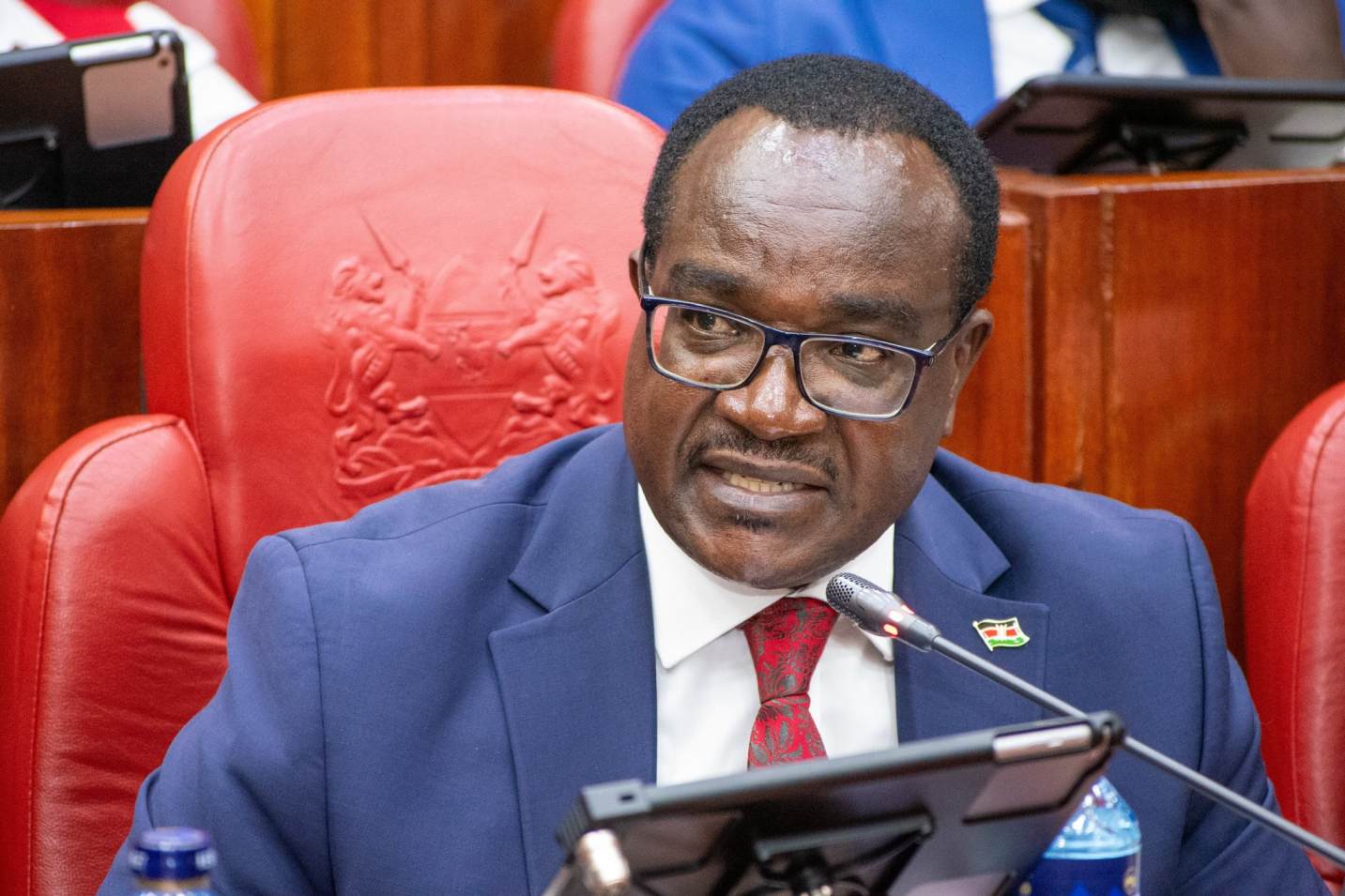
In a candid and deeply reflective engagement with principals and education stakeholders in West Pokot County, KUPPET Branch Executive Secretary Alfred Kamuto delivered a comprehensive address touching on school administration, student welfare, staffing equity, curriculum placement, and professional security for teachers.
His message, anchored on the realities facing schools, painted a picture of an education system under pressure from policy demands, resource constraints, and evolving learner needs, while calling for practical reforms to restore balance and efficiency.
At the heart of his address was a reminder that school stability begins with what may appear to be the simplest of components—food quality and hygiene.
Kamuto emphasized that school feeding programmes are not peripheral services but central pillars of discipline, health, and institutional order. According to him, the quality of meals served in boarding and day schools directly influences learner behaviour, emotional stability, and the likelihood of unrest.
Food quality and school discipline
Poorly managed catering services, he warned, often become silent triggers of student dissatisfaction that can escalate into strikes, disruptions, or security incidents.
He urged school administrators to elevate oversight of food services to the same level of seriousness as academic supervision.
In his view, weaknesses in catering management often reflect broader shortcomings in institutional leadership. Where accountability in feeding programmes is weak, schools are more likely to experience avoidable crises that drain administrative energy and disrupt instructional continuity.
Kamuto therefore called for stronger internal monitoring mechanisms, improved procurement transparency, and closer collaboration between school management boards and catering service providers.
Concerns over 100 per cent transition
Beyond school-level administration, Kamuto turned his attention to systemic pressures arising from the implementation of the 100 per cent transition policy.
While acknowledging the policy’s objective of promoting access and inclusivity, he noted that its implementation has created unintended structural strain within the education system, particularly in counties such as West Pokot.
He pointed out that many schools are grappling with overcrowding, stretched infrastructure, and admission bottlenecks that compromise effective teaching and learning.
In some institutions, classroom capacity has been exceeded, resulting in congested learning environments that are not conducive to quality education delivery.
Kamuto also expressed concern that some academically underprepared learners are being placed into highly specialized STEM pathways without adequate foundational support.
He argued that the mismatch between learner preparedness and academic expectations risks undermining the goals of Competency-Based Education and skills development.
Call for teacher balancing
A significant portion of his address focused on human resource distribution, which he described as one of the most persistent challenges affecting education delivery in the county.
Kamuto highlighted disparities in teacher allocation, noting that while some schools operate with surplus staff, others remain critically understaffed, forcing existing teachers to carry heavy workloads.
He called for an urgent, transparent, and data-driven teacher balancing exercise across West Pokot County.
According to him, such an exercise would promote equitable staff distribution, reduce burnout among teachers, and improve efficiency in curriculum delivery.
Promotion of deputy principals
Closely linked to staffing concerns was his endorsement of fair career progression and recognition of leadership roles within schools.
Kamuto reiterated KUPPET’s support for the promotion of deputy principals who have served in acting capacities for extended periods, particularly beyond six months.
He described prolonged acting appointments as administratively unfair and professionally demotivating, often leaving senior staff uncertain about their career progression and responsibilities.
He argued that timely confirmation and promotion of such officers would strengthen leadership structures, enhance accountability, and improve motivation among school administrators.
Teachers and discipline management
Another issue raised during the address was the growing tension between school discipline enforcement and legal exposure for teachers.
Kamuto expressed concern over increasing cases where educators face litigation or disciplinary complaints while carrying out their professional duty of maintaining order in schools.
He noted that the trend has created a climate of caution and fear among teachers, potentially weakening their ability to enforce discipline effectively.
According to him, discipline cannot be maintained through isolated approaches but requires a coordinated framework of shared responsibility involving parents, schools, and communities.
Parents, he emphasized, must play an active role in reinforcing discipline at home, while communities should support schools in upholding positive behavioural standards.
Call for unity and collaboration
Throughout his address, Kamuto consistently returned to the theme of collaboration as the foundation for sustainable education reform.
He underscored that no single stakeholder—whether teachers, administrators, government agencies, parents, or learners—can independently resolve the complex challenges facing schools.
Instead, he called for coordinated action, mutual respect, and continuous dialogue among all actors within the education sector.
In concluding his remarks, Kamuto expressed appreciation to principals across West Pokot County for the confidence they demonstrated during the recent KUPPET branch elections.
He acknowledged the diversity of opinion that characterizes union leadership processes but urged members to move beyond electoral differences in pursuit of shared professional goals.
Unity, he emphasized, remains essential for effective advocacy and meaningful engagement with education authorities.
Ultimately, Kamuto’s address captured the realities of education management in West Pokot County—a system balancing between policy ambition and practical constraints, between expanding access and maintaining quality, and between professional responsibility and institutional support.
READ ALSO: How technocrats helped me understand the complex world of education policy and reform
His appeal was not framed as criticism alone, but as a call for recalibration aimed at aligning policy, practice, and professional welfare in a more coherent and sustainable manner.
You can also follow our social media pages on Twitter: Education News KE and Facebook: Education News Newspaper for timely updates.
>>> Click here to stay up-to-date with trending regional stories
>>> Click here to read more informed opinions on the country’s education landscape
>>> Click here to stay ahead with the latest national news.