The decision to abandon the “A” Level system of education has done more harm than good to the intellectual and emotional maturity of students. Its removal left a vacuum that is now being filled with frustration, impulsiveness, and violence. To restore order and produce graduates capable of reasoned argument instead of destructive outbursts, the “A” Level system must be returned.
The core problem lies in how students are taught to process disagreement and hardship. Under the current system, students spend fewer years in secondary education and are rushed toward examinations and certification.
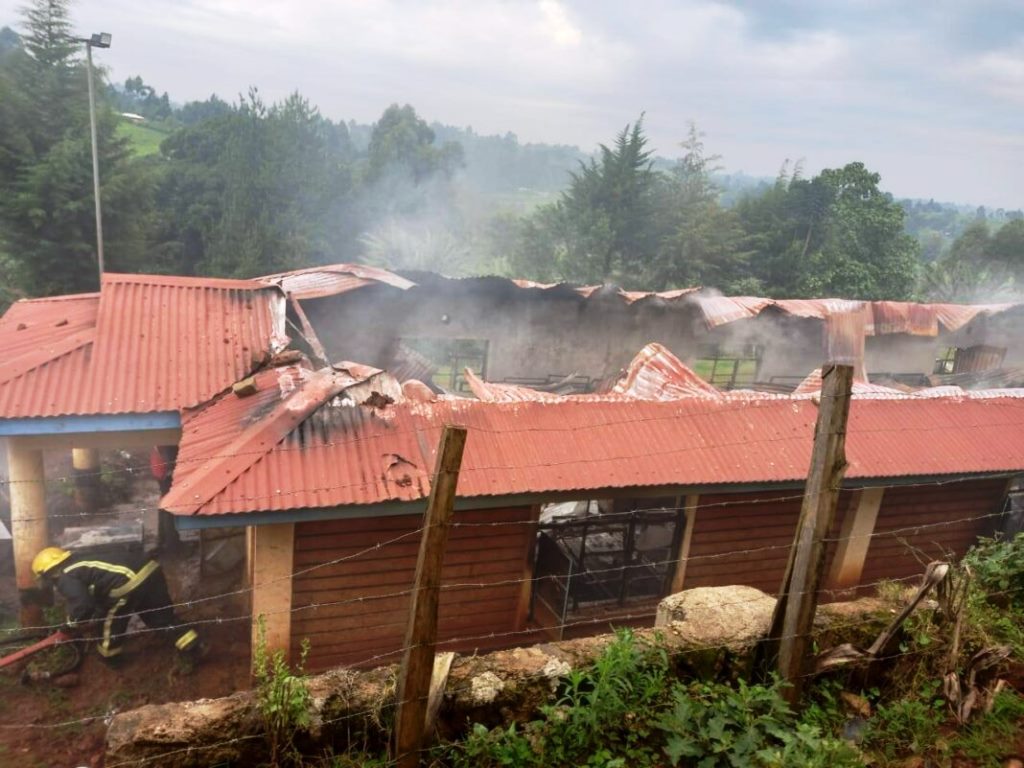
The curriculum is compressed, leaving little room for deep reading, debate, and reflection. The result is a generation that reacts to grievance with anger rather than with argument. When policies are unfair, when teachers are absent, when resources are lacking, the immediate response is to burn schools, destroy property, and vent rage. This is not a political statement; it is a behavioral outcome of an education that never taught students how to argue their case logically.
The “A” Level system addressed this directly. By extending secondary education and emphasizing subjects in the humanities, sciences, and social studies at a deeper level, it forced students to engage with complex texts and ideas over a longer period.
In literature, students were required to read and analyze works by authors such as Charles Dickens and William Shakespeare. These were not mere exercises in comprehension. “Hard Times and Great Expectations’- exposed students to the consequences of industrial greed and social neglect.
ALSO READ:
Kenyan students make history with Grand Prize win at Huawei ICT Global Finals
Macbeth, Julius Caesar, and Hamlet; forced them to confront ambition, betrayal, and the moral cost of revenge. The characters do not win arguments by shouting or destroying; they persuade, they deliberate, they suffer, and they endure.
This exposure cultivates three qualities that are missing today: resilience, patience, and tolerance. Resilience is learned when a student follows through years of disappointment and self-deception before he understands the meaning of true generosity.

Patience is learned when a student traces Hamlet’s hesitation, recognizing that decisive action without thought leads to catastrophe. Tolerance is learned when a student sees how Dickens portrays both the oppressor and the oppressed as human, capable of change. These books do not tell students what to think. They put them inside situations where thinking is unavoidable.
Without this kind of indulgence in books of reason, education becomes training in recall and speed. Students learn to pass exams but not to reason through conflict. When faced with injustice, they lack the vocabulary, the historical context, and the mental discipline to articulate their case.
The only tool left is force. Burning a school becomes the substitute for writing a petition, staging a debate, or presenting evidence to an authority. It is faster, but it destroys the very institution meant to protect them.
Reinstating the “A” Level system will not eliminate all unrest, but it will change the method of dissent. A student who has spent two years wrestling with Shakespeare’s tragedies and Dickens’s social critiques develops the habit of framing a problem, considering counterarguments, and seeking resolution through discourse. The classroom becomes a place where disagreement is managed with logic, not with fire.
Education exists to mature a person, not just to credential them. Maturity requires time, exposure to difficult ideas, and practice in arguing those ideas without resorting to violence.
The “A” Level system provided that time and that practice. Its return is necessary if we want students who can argue their cases in a court, a council, or a public forum, rather than in the ashes of the school they should be protecting.
By Enock Okong’o
You can also follow our social media pages on Twitter: Education News KE and Facebook: Education News Newspaper for timely updates.
>>> Click here to stay up-to-date with trending regional stories
>>> Click here to read more informed opinions on the country’s education landscape