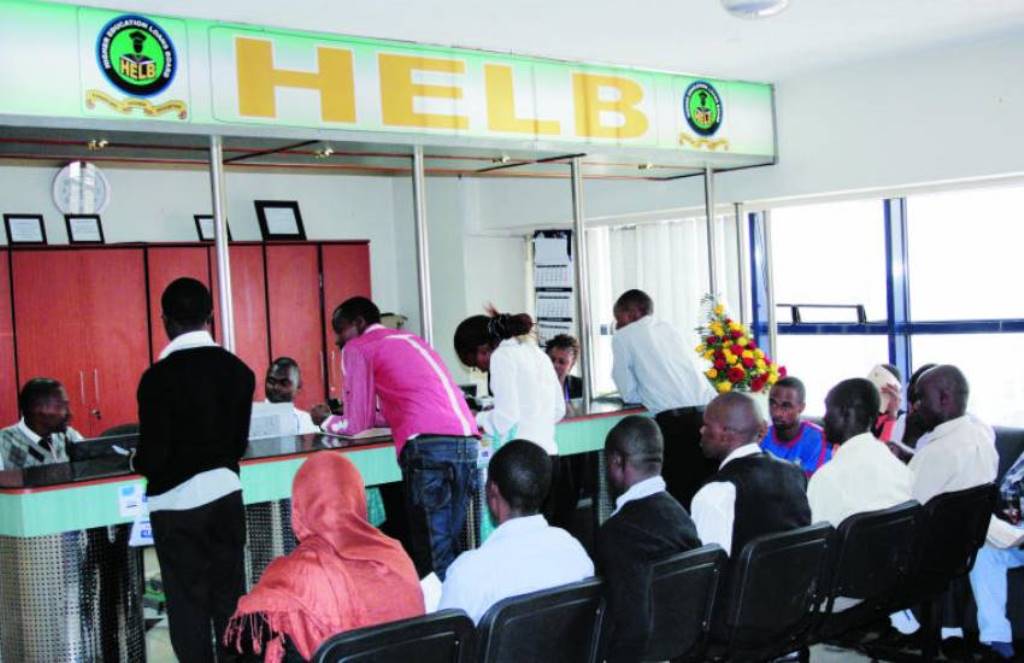
The Higher Education Loans Board (HELB) is seeking to raise Ksh500 million through a social bond as it moves to address mounting financial challenges facing Kenya’s higher education sector and reduce its dependence on government funding.
The proposed bond, which is currently under discussion with the World Bank, comes amid growing uncertainty over university financing following legal challenges to the government’s new higher education funding model.
The funding model was thrown into doubt after the High Court declared it unconstitutional. Although the Court of Appeal later suspended the ruling, allowing conditional implementation pending a final determination, the case has left universities and students facing uncertainty over future funding.
HELB, which supports approximately 650,000 university and Technical and Vocational Education and Training (TVET) students annually, plans to leverage expected repayments from former beneficiaries as collateral to attract private investors. The initiative is expected to provide a more predictable and sustainable source of financing for student loans and scholarships.
ALSO READ:
Govt to release Ksh1.5 Billion for 2025 KCSE examiners’ payments this week
The board believes the social bond could help ensure timely disbursement of funds to students while easing pressure on the National Treasury, which has struggled to meet the growing demand for higher education financing.
However, HELB continues to face significant challenges in loan recovery. A substantial number of graduates remain unemployed or underemployed, making it difficult to maintain regular repayments. Others require persistent follow-up before settling their loan obligations, threatening the sustainability of the revolving fund.
The funding difficulties extend beyond HELB. Public universities are grappling with severe financial constraints caused by reduced government capitation and rising operational costs. Sector reports indicate that expenditure obligations have surpassed Ksh100 billion, leaving institutions burdened with unpaid taxes, pension remittances, and supplier debts.
The financial strain is expected to intensify as demand for university education continues to rise. While Kenya’s university transition rate currently stands at about 26 per cent, the government’s 100 per cent transition policy is projected to push student enrolment close to two million by 2030.
Such growth could see universities admit nearly 700,000 new students annually, placing additional pressure on already stretched public finances.
ALSO READ: Grief as Kenyan student dies in Australia weeks before graduation
Education experts argue that alternative financing mechanisms, including social bonds and other market-based instruments, are becoming increasingly necessary as public resources come under strain and student numbers continue to grow.
If successful, HELB’s Ksh500 million social bond could provide a critical lifeline for thousands of students, while helping to stabilise a higher education sector facing one of its most significant funding challenges in recent years.
By Ochola Victor
You can also follow our social media pages on Twitter: Education News KE and Facebook: Education News Newspaper for timely updates.
>>> Click here to stay up-to-date with trending regional stories
>>> Click here to read more informed opinions on the country’s education landscape