Every graduation season comes with a flood of advice. Graduates are told to work hard, chase opportunities, save money, network wisely and prepare for an increasingly complex world. Yet some of the most valuable guidance does not come from commencement speeches or self-help manuals. It comes from books.
A recent feature in The Atlantic explored a fascinating question: Which books do people wish they had read when they were younger? The answers revealed something profound. The most influential books are not necessarily those that teach practical skills. Instead, they are the books that help readers understand themselves, navigate uncertainty, and make sense of the world around them.
Young people often imagine adulthood as a destination. They believe there will come a moment when everything falls into place, when they will possess all the answers and feel completely certain about their choices. Reality, however, tells a different story. Adulthood is less about arriving and more about continually growing, adapting, and learning. The books recommended in The Atlantic article acknowledge this truth. They do not provide a roadmap to success. Rather, they offer companionship for the journey.
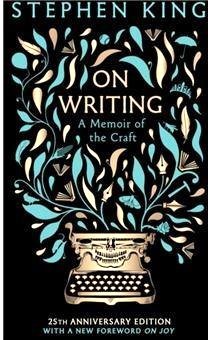
One of the featured books is Stephen King’s On Writing. Part memoir and part guide to the craft of writing, the book demonstrates the value of perseverance, discipline, and creativity. King’s story reminds readers that talent alone is rarely enough. Success often emerges from consistent effort, resilience in the face of rejection, and a willingness to keep improving. These lessons apply not only to writers but to anyone pursuing meaningful goals.
Another recommendation is Pema Chödrön’s Start Where You Are. The book encourages readers to embrace their imperfections and face life’s challenges with openness rather than fear. In a society where many young people feel pressure to appear successful and confident at all times, this message is particularly relevant. The path to growth begins not with pretending to have all the answers but with honestly acknowledging where one currently stands.
Poetry also features prominently among the recommendations. Mary Oliver’s Devotions invites readers to slow down and pay attention to the beauty that surrounds them. In an age dominated by smartphones, notifications, and constant distractions, Oliver’s poems serve as a reminder that wonder still exists in ordinary moments. Her work teaches the importance of observation, gratitude, and connection with nature.
The Source of Self-Regard
The article also highlights Toni Morrison’s The Source of Self-Regard, a collection of essays and speeches exploring themes of dignity, justice, identity and responsibility. Morrison challenges readers to think critically about their role in society and their obligations to others. Her writings encourage intellectual curiosity and moral courage, qualities that remain essential in every generation.
For many readers, classic literature continues to offer valuable insights. Louisa May Alcott’s Little Women explores ambition, family relationships, personal growth, and the challenges of finding one’s place in the world. Although written more than a century ago, its themes remain remarkably relevant. The struggles faced by the March sisters mirror many of the questions young people still ask today: Who am I? What kind of life do I want to live? How do I balance personal dreams with responsibilities to others?
Perhaps one of the most powerful recommendations is James Baldwin’s The Fire Next Time. Baldwin’s reflections on race, identity, faith, and social justice remain deeply relevant in contemporary society. His writing demonstrates how literature can challenge assumptions, foster empathy, and encourage readers to engage thoughtfully with difficult issues. Books such as Baldwin’s remind us that reading is not merely an academic exercise; it is also a means of understanding the human experience.
What makes these recommendations especially meaningful is that they do not promise quick solutions. They do not guarantee wealth, fame, or professional success. Instead, they help readers develop qualities that matter even more: wisdom, compassion, resilience, and self-awareness.
For educators, parents, and mentors, there is an important lesson here. In many educational systems, reading is often treated primarily as a means to pass examinations. Students analyse texts, memorise themes, and answer comprehension questions. While these skills are important, they represent only part of what reading can accomplish. Great books expand our perspectives, challenge our assumptions, and introduce us to lives vastly different from our own.
The transition from adolescence to adulthood is rarely straightforward. It is marked by uncertainty, mistakes, discoveries, and constant change. During such periods, books can serve as trusted companions. They remind readers that confusion is normal, failure is survivable, and growth often emerges from unexpected experiences.
The Atlantic’s collection of recommended books ultimately offers a simple but powerful message. The best books do not tell us exactly how to live. Instead, they help us ask better questions. They teach us to think more deeply, feel more fully, and engage more thoughtfully with the world.
As another class of graduates prepares to step into the future, perhaps the most valuable gift they can receive is not a perfect plan but a good book. Long after graduation ceremonies end and certificates are framed, the lessons found in great literature continue to guide, challenge and inspire. In a rapidly changing world, that may be one of the greatest advantages any young person can possess.
By Ashford Kimani
Ashford teaches English and Literature in Gatundu North Sub-county and writes on education, literacy and youth development.
You can also follow our social media pages on Twitter: Education News KE and Facebook: Education News Newspaper for timely updates.
>>> Click here to stay up-to-date with trending regional stories
>>> Click here to read more informed opinions on the country’s education landscape