Gender – based discrimination remains one of the most entrenched obstacles to quality education in Africa.
The 2023 Africa Gender Index Report highlights glaring inequalities in many African countries, with gender index scores ranging from 31per cent to 88per cent. In the report, 29 countries scored between 40 per cent and 60 per cent while 14 countries scored under 40 per cent.
The report notes that while women, men, girls, and boys suffer rights violations, available data show that girls and women are particularly affected.
The inequalities range from economic disparities where in most cases, women earn 70 per cent less than men – to social inequalities and inequalities in terms of participation and representation.
The report indicates that economic, social and political differences often start with inequalities in education.
“Gender differences impact negatively on learners’ access to, participation and success rates at all levels of education, from early childhood to higher education, limiting the power of education to improve their lives and futures,” the report states in part.
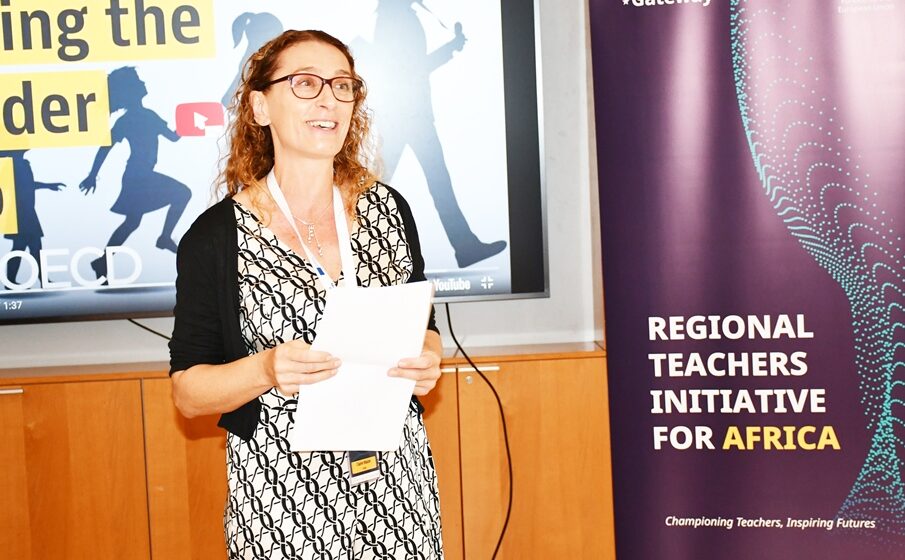
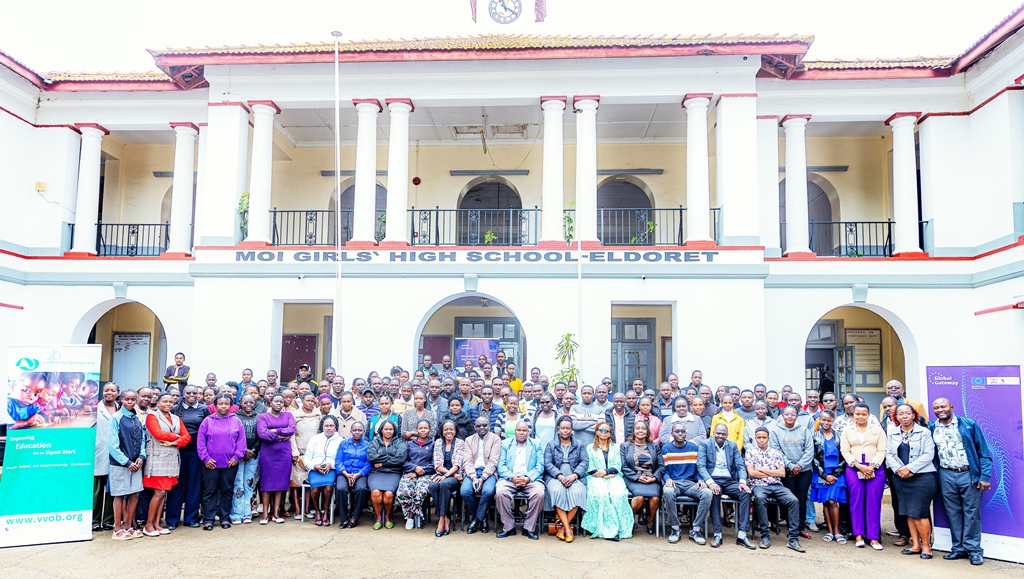
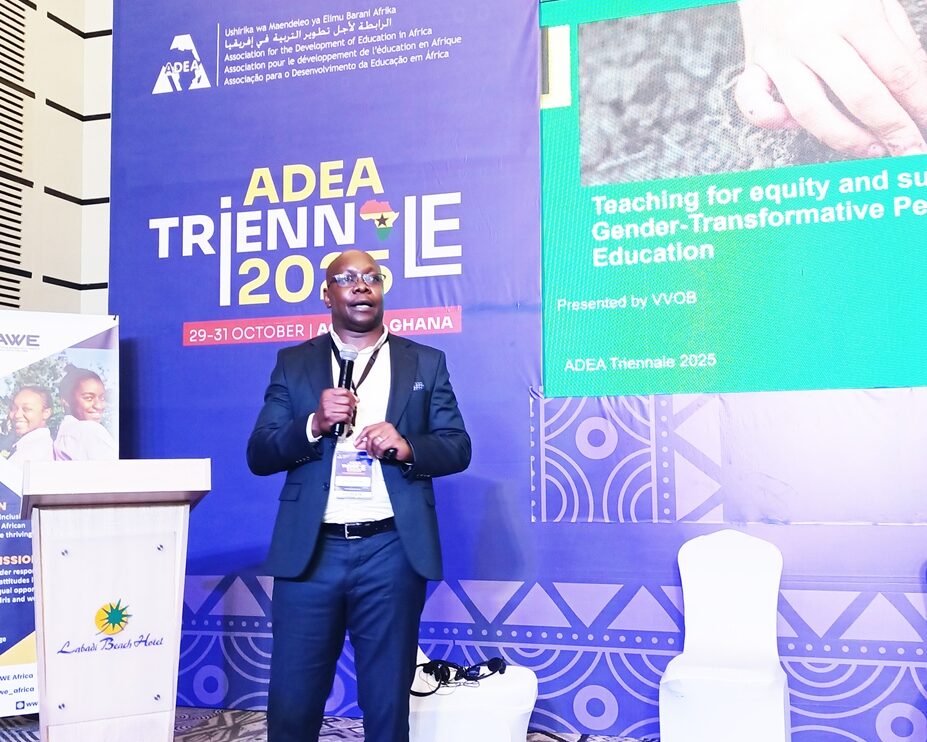
It is with the above inequalities in mind that VVOB – education for development, is working with governments and other multi-sectoral partners to improve the quality of education for all through teacher professional development programmes on gender-responsive pedagogy (GRP).
Gender-responsive pedagogy encompasses a range of teaching approaches and tools that support teachers to critically reflect on how unconscious biases—shaped by gender norms—influence power relations in the classroom and shape their engagement with learners, resulting in unequal opportunities for participation and learning. By addressing these dynamics, GRP fosters more inclusive classroom practices and more equitable learning outcomes.
As part of its GRP flagship projects, VVOB joined the Regional Teachers’ Initiative for Africa (RTIA) under the Global Gateway partnership between the European Union, EU member states (France, Belgium and Finland), UNESCO, and the African Union Commission. The RTIA programme was started to support African countries to improve the quality of training of teachers, since according to the World Bank, teachers are the most important school-based factor influencing student learning as they equip learners with the skills, knowledge, and values necessary for success in school, their careers, and society.
Within RTIA, VVOB and partners are working with national systems to strengthen teacher training on gender-responsive pedagogy and career guidance across Kenya, Ghana and South Africa.
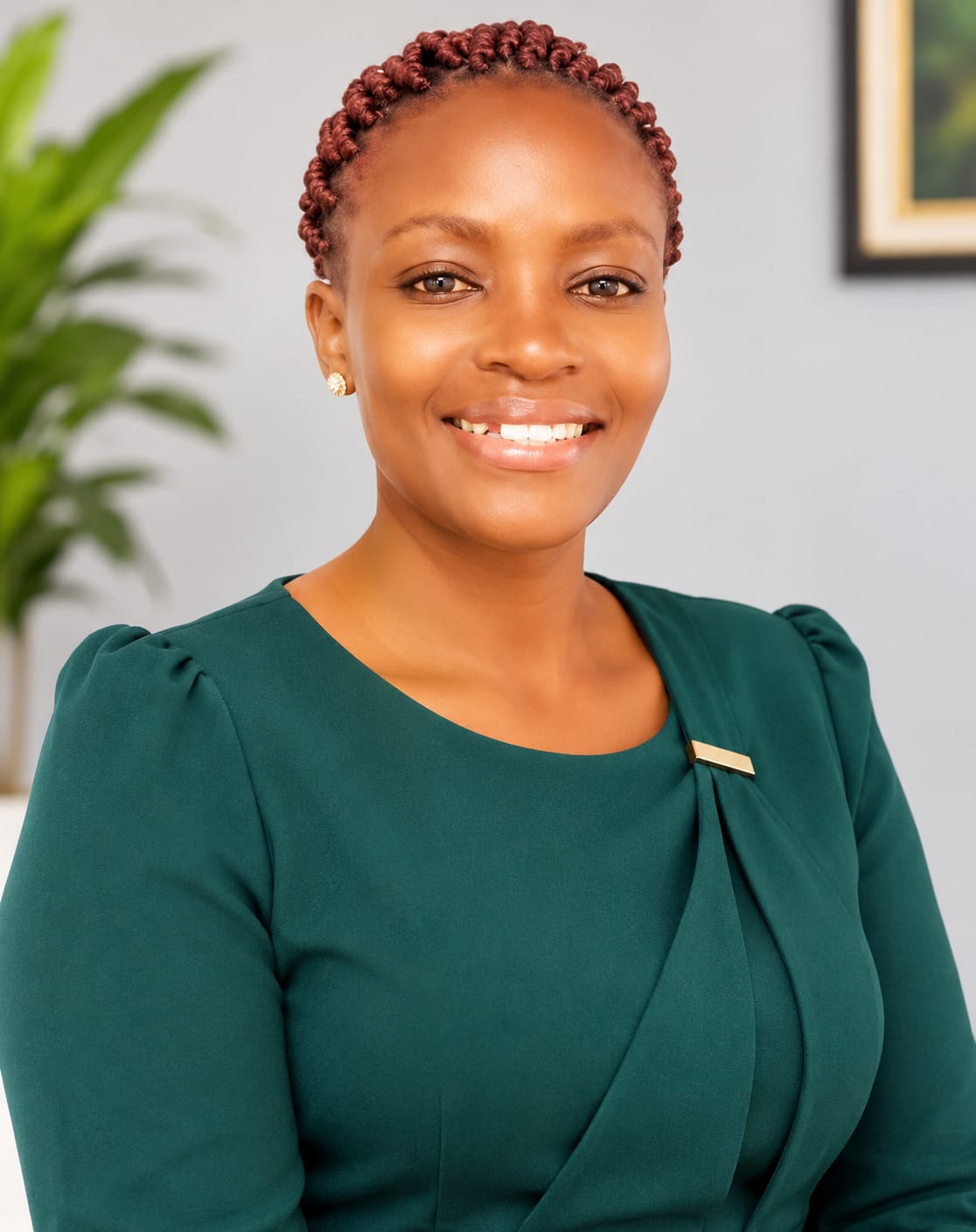
Speaking to Education News recently, the VVOB Gender Technical Lead, Everlyne Nyongesa, said the goal of the RTIA programme is to improve learning outcomes and the socio –emotional development of children in Africa, by having a more competent, motivated and inclusive teacher workforce in basic education.
She pointed out that the programme specifically seeks to enhance the quality, relevance, and effectiveness of initial and continuous Teacher Professional Development (TPD) notably through digital education, peer to peer learning approaches and regional collaboration.
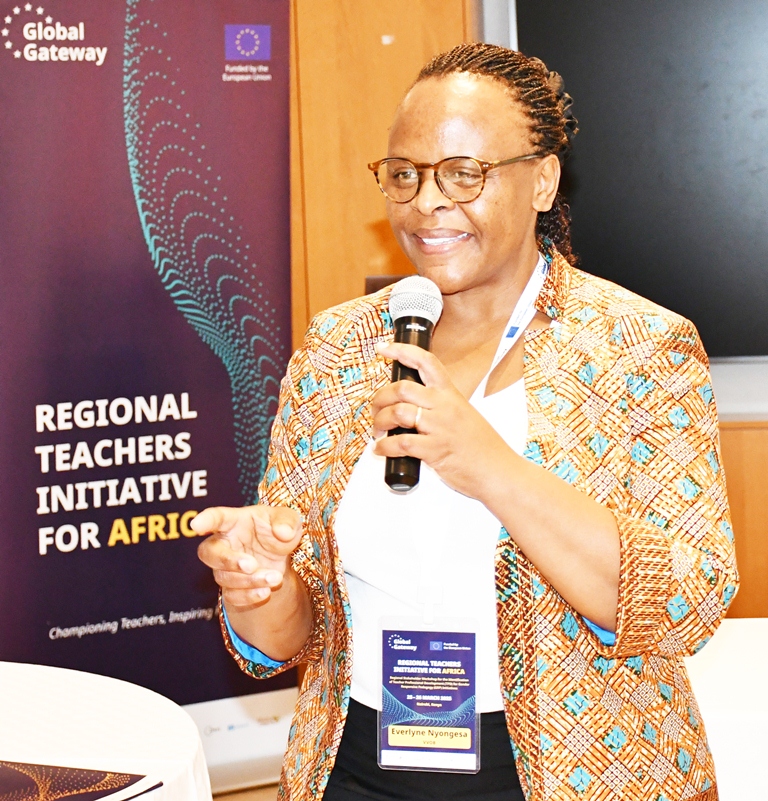
“The VVOB programme focuses on strengthening national capacity to deliver and scale Teacher Professional Development (TPD) for Gender-Responsive Pedagogy (GRP) in Kenya, Ghana, and South Africa, while fostering the partnerships and knowledge needed to take these efforts to scale,” stated Nyongesa.
She noted that VVOB works closely with a range of stakeholders to build on existing programmes and expertise within education systems, strengthening alignment and collective action.
Through these partnerships, the programme contributes to a broader regional effort, reaching 46 countries across Sub-Saharan Africa by leveraging and amplifying the work of key actors, including the African Union, the Forum for African Women Educationists (FAWE), like-minded civil society organisations, and relevant UN agencies
RTIA collaborates with government institutions in Kenya, Ghana and South Africa to support implementation of identified government policy and priorities in education
The VVOB official said the RTIA is supporting partners to achieve gender equality in education through the TPD programme in line with the government’s policy priorities and needs.
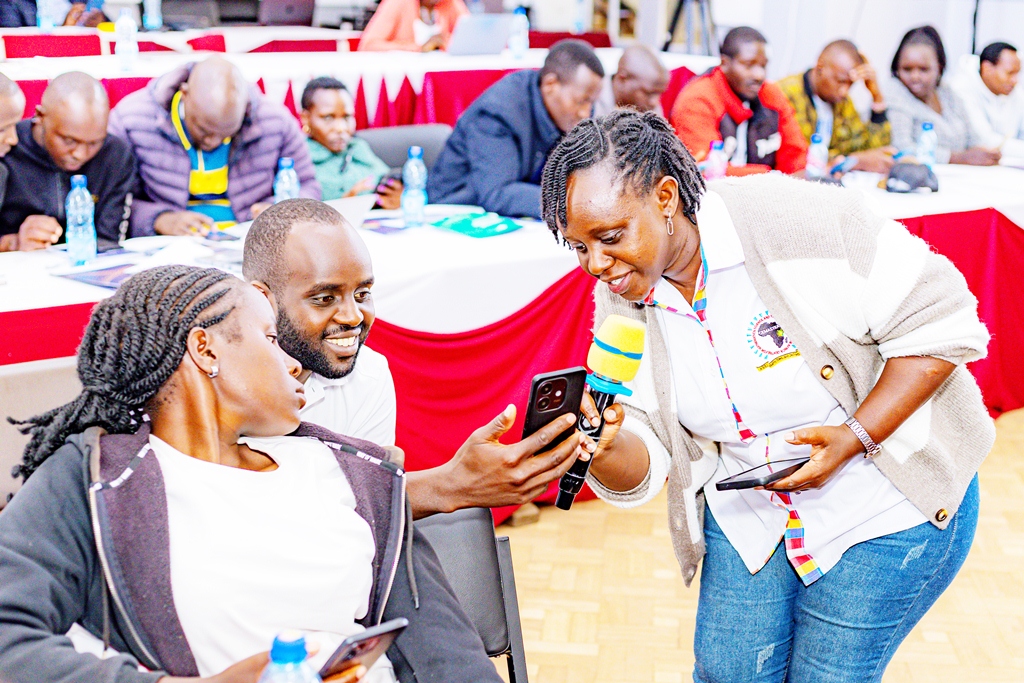
She noted that the programme supports the Kenya government systems to build capacity for the implementation of the Competency – Based Education (CBE) for Junior School teachers, with focus on gender-responsive pedagogy.
“VVOB has partnered with Centre for Mathematics, Science & Technology Education in Africa (CEMASTEA) to develop an app-based professional development programme on GRP for Science, Technology, Engineering, and Mathematics (STEM) teachers, in support of the Government of Kenya’s ambition to enable 60% of Junior School learners to transition into the STEM pathway in Senior School,” she confirmed.
In Ghana, Nyongesa disclosed, the Ministry of Education identified having more learners, especially girls, participate in STEM fields of study and enrolling for Technical and Vocational Education and Training (TVET) courses as one of its priorities under its Education Strategic Plan (ESP) 2018- 2030. This is with the ultimate aim of seeing many young people transition into related occupations.
She further noted that the Ghana Education Service (GES) and the National Teaching Council (NTC), with technical support from VVOB, are developing a Continuous Professional Development (CPD) package for Junior High School teachers on gender –responsive study and career guidance.
She also revealed that South Africa has one of the highest rates of gender-based violence in the world, adding that the education sector plays a key role in awareness and prevention efforts.
“To this end, the Gender-Responsive Pedagogy for Early Childhood Education (GRP4ECE) programme has been developed to support Early Childhood Education (ECE) practitioners and teachers to foster equitable and non-violent attitudes in young children with the aim of transforming them into positive role models and advocates for gender equality in education,” she stated.
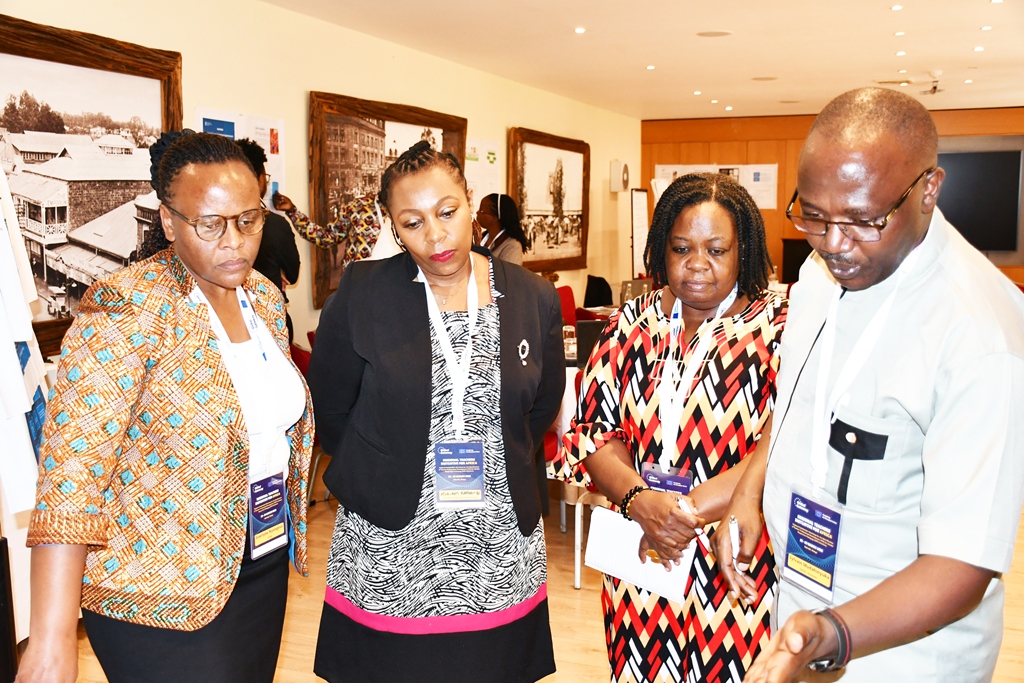
Gender–Responsive Pedagogy (GRP) in Practice
The VVOB official hailed the introduction of GRP, noting that it is particularly pertinent during two distinct stages of children’s development; in early childhood and early adolescence.
“Early childhood, between the ages of 3 and 7, is the developmental stage where gender identities and beliefs take root. Children begin to understand gender norms, identities and stereotypes and they are prone to acquire strong gender biases,” she explained.
Nyongesa observed that the expectations children develop about their own future lives are shaped and their interests and behaviours are steered in a certain direction, as well as the choices they make in their free time, relationships, education and professional life.
“During early adolescence (10-14) significant changes occur in terms of gender identity, roles, and social interactions. It also marks a stage when children begin contemplating their future careers. Gender biases and stereotypes can significantly impact their career choices, leading to the underrepresentation of certain genders in specific fields,” she pointed out.
Gender norms that continue to shape learning environments
Across Kenya, Ghana and South Africa, learning environments are influenced by:
Gender –stereotyped expectations: Girls are often perceived as less capable in STEM subjects, while boys face norms discouraging engagement in reading, care –related roles, or help-seeking. Boys may face pressure to live up to expectations of being future breadwinners, which can affect their motivation and engagement in school. In some contexts, this is compounded by peer influence, leading to higher levels of truancy or disengagement among boys.
Unequal classroom interactions: Teachers may unconsciously call on boys more frequently, assign leadership roles along gender lines, or tolerate disruptive behaviour from boys while expecting compliance from girls. The teacher may unconsciously use words and examples that position boys as leaders and problem-solvers, while praising girls for neatness or obedience. These everyday practices send strong messages that influence their aspirations.
Care and domestic burdens: Girls attendance and concentration are affected by household responsibilities, early marriage, or pregnancy –related stigma.
Normalisation of school –related gender –based violence (SRGBV) undermines equitable participation in learning.
Limited female role models and leadership: Few women in school leadership or visible non-traditional careers reinforce narrow aspirations for learners.
How GRP has countered gender norms to allow for inclusive learning
Nyongesa explained that through TPD programmes, teachers learn how gender stereotypes and biases influence their teaching practice.
She said teachers are trained to identify stereotypes in textbooks, classroom materials and practices to actively challenge them so that all learners, whether boys or girls are given equal chances to thrive as citizens based on their individual capacities and aspirations.
The VVOB official noted that teachers are also encouraged to use inclusive teaching methods to ensure that girls and boys both have equal opportunities to speak, participate in activities, and take leadership roles in the classroom.
“Another important step is creating safe and respectful learning environments. When classrooms are safe and free from bullying or discrimination, all learners feel confident to participate and engage in their learning,” she concluded.
What are we learning?
According to an Evidence Review on Teacher Professional Development for GRP in Sub-Saharan Africa, conducted by VVOB, effective professional development for gender – responsive pedagogy needs to reflect the long –term nature of change. Shifting the beliefs, attitudes, and classroom practices of teachers does not happen through one- off training, but through progressive and phased professional development that gives teachers time to learn, practice, reflect, and improve.
It is also more effective when teachers are actively involved in shaping the process, so that the training content responds to the realities they face and builds ownership of change. Adapting the programme to local contexts is essential, since gender norms, school conditions, and community expectations differ across settings.
School –based approaches are particularly important because they allow teachers to test new practices in real classrooms, receive feedback, and benefit from ongoing mentorship and coaching.
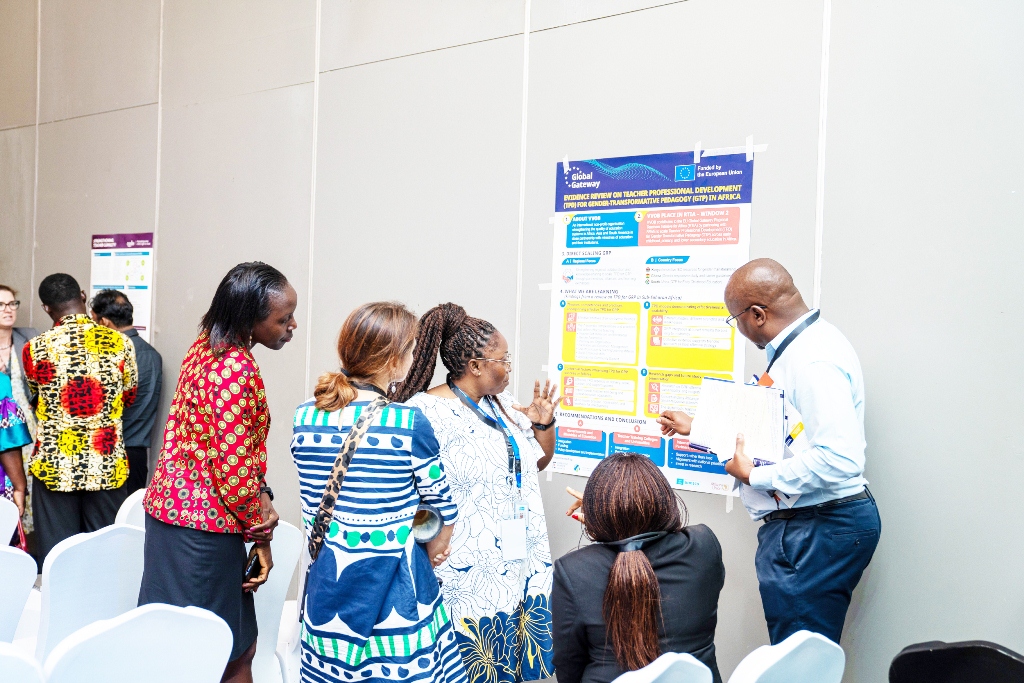
The review also highlights the importance of involving school leaders, who help create an enabling environment for change within the school, and of aligning with policy and teacher development systems so that these approaches are supported, sustained, and embedded more widely.
The Challenges of scaling TPD for GRP
Teacher professional development for gender-responsive pedagogy in Sub-Saharan Africa is constrained by a combination of individual, institutional, and systemic barriers. These include limited teacher knowledge of gender concepts, weak preparation in pre-service and in-service training, inadequate materials and infrastructure, and social norms that continue to reinforce inequality. Together, these factors make it difficult for GRP to move from policy intention to meaningful classroom practice.
The future of TPD for GRP – What remains to be done?
Gender-responsive pedagogy matters because it helps ensure that all learners develop the knowledge, skills, confidence, and aspirations they need to succeed in school and transition into the world of work while contributing to more equitable societies. It should therefore be considered as a core professional competency for all teachers.
However, gender equality and equity in education remains under-prioritised which means continued efforts are needed to build awareness and commitment among teachers, school leaders, policymakers, and communities. That is why partnerships are essential.
Governments, teacher education institutions, schools, communities, and development partners must work together to provide adequate and long-term financing, practical support, and enabling environment needed to make gender equality and equity a lived reality in everyday teaching and learning.
Click the link to learn more; VVOB
DOWNLOAD VVOB: Bridging gender inequalities through gender-responsive pedagogy PDF
By Tindi Kuchio
You can also follow our social media pages on Twitter: Education News KE and Facebook: Education News Newspaper for timely updates.
>>> Click here to stay up-to-date with trending regional stories
>>> Click here to read more informed opinions on the country’s education landscape