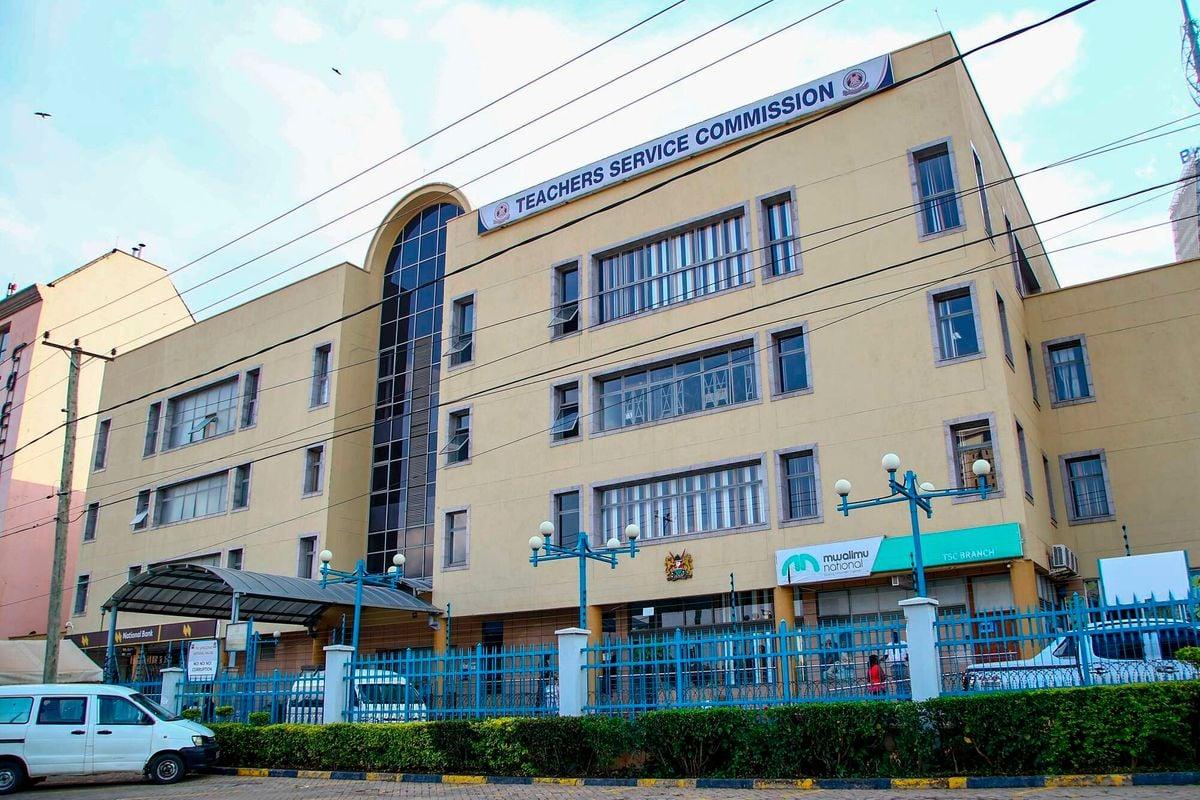
The Teachers Service Commission (TSC) has launched a nationwide training programme aimed at equipping Junior Secondary School (JSS) teachers with practical skills in Information and Communication Technology (ICT) integration for classroom instruction.
In a circular addressed to County and Sub-County Directors of Education, the Commission directed schools across the country to nominate three teachers each to attend training sessions at designated sub-county venues.
The initiative marks a significant milestone in Kenya’s ongoing digital transformation in education and reinforces the government’s commitment to strengthening the implementation of the Competency-Based Education (CBE) through technology-driven learning.
The programme builds on lessons learned during the COVID-19 pandemic in 2021, when schools adopted remote learning strategies to sustain education amid nationwide closures. TSC now seeks to institutionalize those digital practices and prepare teachers for a future where learning can continue seamlessly regardless of physical location.
Redefining remote learning
According to the training framework, remote learning extends beyond virtual classes alone. The Commission defines it as any teaching and learning process in which the teacher and learner are physically separated.
ALSO READ:
Father, son among three killed in septic tank tragedy at Makindu Boys high school
Teachers will be trained on three key instructional delivery approaches:
Synchronous Learning — Real-time instruction through video conferencing, live streaming, and scheduled radio or television lessons.
Asynchronous Learning — Self-paced learning where students complete assignments and activities independently outside scheduled class sessions.
Blended Remote Learning — A hybrid model combining live interaction with independent follow-up activities to reinforce understanding.
The training is expected to help teachers design flexible, learner-centred lessons adaptable to diverse learning environments.
The ICT integration programme goes beyond basic computer literacy by focusing on practical classroom application.
Participating teachers will learn how to:
Develop comprehensive digital lesson plans incorporating multimedia content.
Conduct online assessments using platforms such as Google Forms, Microsoft Teams, Google Classroom, and Exam.net.
Organize and manage digital learning resources through cloud storage platforms including Google Drive, OneDrive, and Dropbox.
Implement inclusive learning strategies that accommodate learners with special needs and disabilities.
ALSO READ:
Matiang’i raises concerns over school safety, following Utumishi school deaths
The Commission emphasized that effective ICT integration is not intended to replace teachers, but rather to empower them to deliver more engaging, interactive, and accessible learning experiences.
The training also outlines key responsibilities for school administrators and institutional leaders.
Heads of Institution (HOIs) are expected to formulate comprehensive remote learning strategies tailored to their schools. These plans should provide guidance on lesson delivery, communication with parents, learner participation, and continuity of instruction.
Teachers, meanwhile, are expected to create highly structured learning experiences with clear instructions and measurable outcomes. Since attendance in remote learning heavily depends on learner participation and engagement, close collaboration with parents and guardians will remain essential.
TSC maintains that while modes of instruction may evolve, the core principles of effective pedagogy remain unchanged.
By strengthening teachers’ digital competencies, the Commission hopes to bridge the technological gap in Junior Secondary Schools and ensure effective CBC implementation in both physical and remote learning settings.
The initiative is also expected to improve digital preparedness among educators, enhance learner engagement, and expand access to quality education across the country.
As schools begin nominating representatives for the training, education stakeholders have described the programme as a timely intervention that could redefine the future of teaching and learning in Kenya’s rapidly evolving educational landscape.
By Hillary Muhalya
You can also follow our social media pages on Twitter: Education News KE and Facebook: Education News Newspaper for timely updates.
>>> Click here to stay up-to-date with trending regional stories
>>> Click here to read more informed opinions on the country’s education landscape