The recent directive by Education Cabinet Secretary Julius Ogamba reminding school heads not to introduce additional fees without approval from the Ministry of Education has opened an important national conversation about the future of education financing in Kenya.
The Ministry’s concern is understandable and necessary because many parents across the country are already struggling with the high cost of living. Protecting families from unauthorized or excessive school charges should remain a priority, while transparency and accountability in school management must also be upheld.
However, it is equally important to appreciate the difficult financial situation schools are currently facing.
In the latest fuel review announced by EPRA for the May–June 2026 cycle, the cost of Super Petrol in Nairobi rose to approximately Sh214.25 per litre, while diesel climbed sharply to about Sh242.92 per litre.
These increases are already having a direct impact on the cost of running schools. Most learning institutions rely heavily on transport services for students, food supplies, examinations and school activities. Higher diesel prices automatically translate into more expensive transport and delivery costs.
Suppliers transporting maize flour, rice, cooking oil, beans, milk and other food commodities to schools are now spending significantly more on fuel, costs which eventually affect the prices of goods delivered to institutions.
At the same time, the prices of essential commodities continue to rise. A 2kg packet of maize flour now averages between Sh170 and Sh230 in many outlets, while cooking oil prices remain high, with a three-litre container retailing at more than Sh800 in several supermarkets.
The cost of rice, sugar, electricity, water and maintenance materials has also increased steadily over recent months. For boarding schools especially, feeding programmes have become considerably more expensive compared to previous years.
Financial pressure
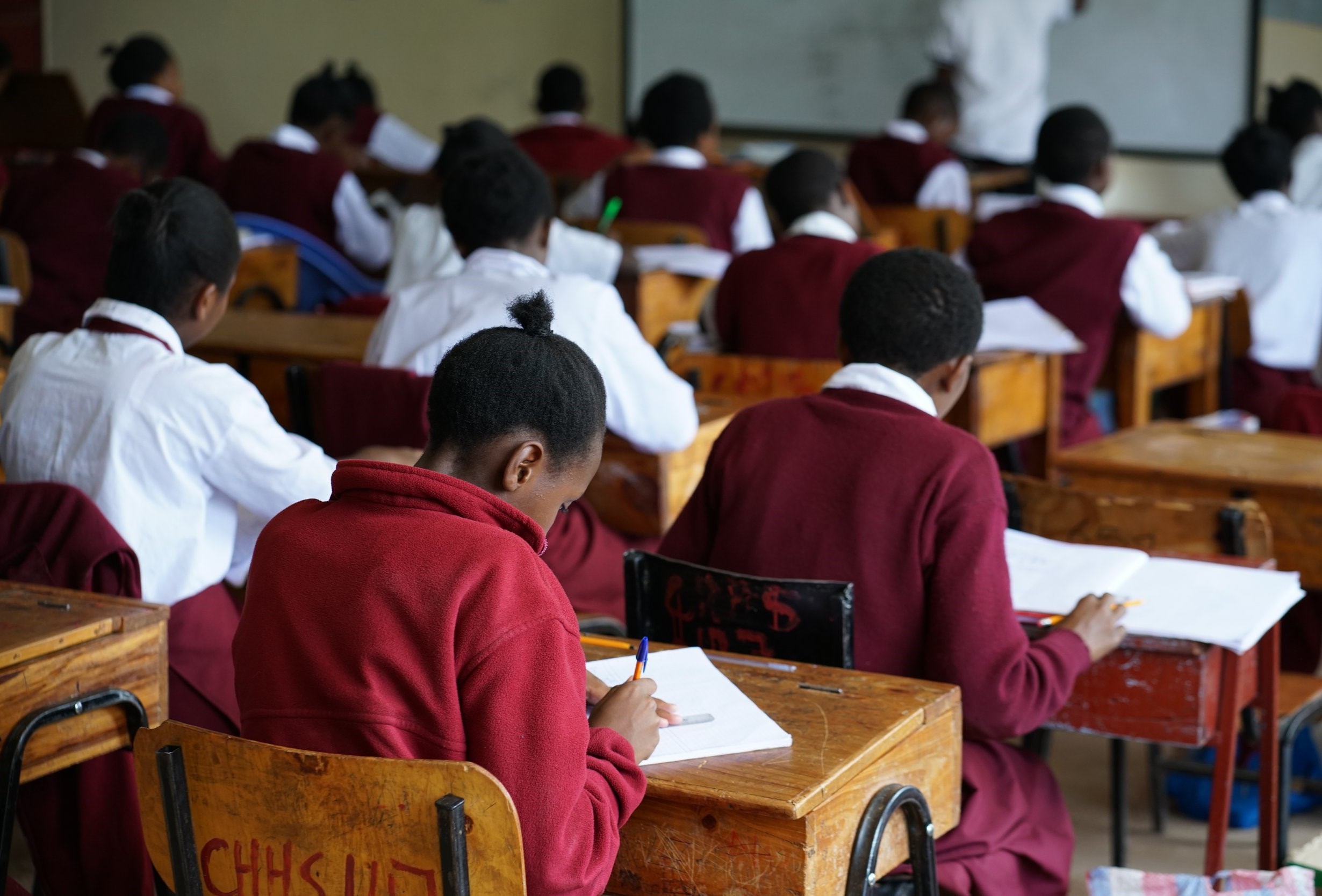
This places principals and Boards of Management in a difficult position. Schools are expected to maintain quality education, provide adequate meals, support co-curricular activities and sustain a conducive learning environment, yet operational costs continue rising while many institutions still depend on limited or delayed government capitation.
While there have been genuine concerns about illegal levies in some schools, not every request for fee adjustment should automatically be viewed as exploitation. In many cases, schools are simply trying to cope with economic realities affecting the entire country.
Balanced solutions
The way forward therefore requires balance, dialogue and practical solutions.
First, there is need for a review of government capitation to reflect the current economic environment and inflation rates. Schools cannot effectively operate on outdated financial allocations while the cost of goods and services continues to rise.
Second, the Ministry of Education could consider creating a transparent framework that allows schools to apply for reasonable and justified fee adjustments based on verified operational needs.
Third, school administrations should continue embracing transparency by clearly explaining to parents how resources are being used and why certain expenditures are necessary.
Ultimately, education remains a shared responsibility between the government, parents and schools. With open dialogue, accountability and realistic policies, Kenya can protect parents from unfair charges while also ensuring schools remain financially stable enough to provide quality education to learners.
READ ALSO: Why teenage pregnancies remain a growing crisis in Kenya
Sustainable education cannot be achieved through directives alone. It requires cooperation, understanding and policies that respond to the real economic conditions facing both families and institutions.
By Yabesh Onwonga
Yabesh is History Analyst
You can also follow our social media pages on Twitter: Education News KE and Facebook: Education News Newspaper for timely updates.
>>> Click here to stay up-to-date with trending regional stories
>>> Click here to read more informed opinions on the country’s education landscape