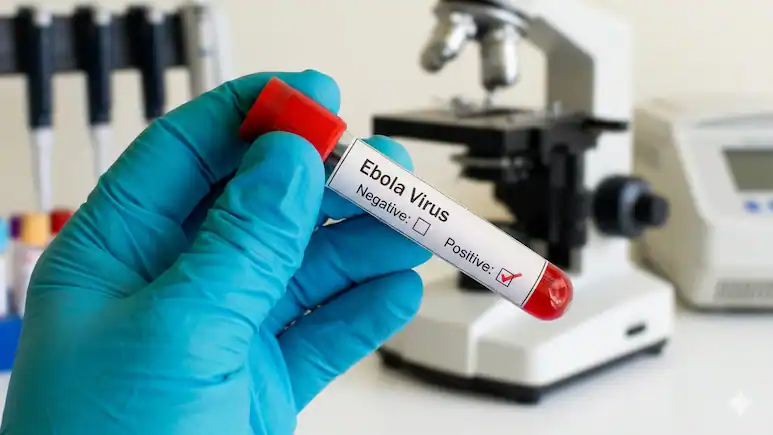
The world is on high alert after the World Health Organization (WHO) declared a Public Health Emergency of International Concern, following a rapidly escalating Ebola outbreak spreading across the Democratic Republic of Congo and Uganda.
The outbreak was first detected in Ituri Province, where health officials initially reported unusual clusters of deaths and severe illness. Since then, the situation has intensified, with about 246 suspected cases and nearly 80 deaths recorded, though only eight cases have been confirmed in laboratories. Health experts warn that the actual number of infections could be higher due to delayed detection and limited testing capacity in the early stages.
The virus has now crossed into major urban centers, including Kinshasa and Kampala, raising fears of faster transmission due to dense populations, high mobility, and strained health systems. In Uganda, confirmed cases include individuals who had recently traveled from Congo, highlighting active cross-border transmission.
According to the World Health Organization, the outbreak is linked to the Bundibugyo strain of Ebola virus. This strain has no widely approved vaccine or specific antiviral treatment, making containment heavily dependent on early detection, isolation, and strict infection control measures.
Health authorities in affected regions report that cases are spread across multiple zones in Ituri Province, including Bunia and surrounding health areas, with additional suspected cases in neighboring regions. Unusual clusters of community deaths have also been reported, further increasing concern among epidemiologists tracking the outbreak.
ALSO READ:
Students stranded as motorists’ strike paralyzes South Rift transport
Symptoms of Ebola
Ebola typically appears 2 to 21 days after exposure, often starting suddenly with flu-like illness.
Early symptoms include:
Sudden high fever
Severe headache
Extreme fatigue and weakness
Muscle and joint pain
Sore throat
As the disease progresses:
Vomiting
Severe diarrhea
Abdominal pain
Loss of appetite
Skin rash (in some cases)
Severe stage symptoms include:
Internal or external bleeding (gums, nose, stool, vomit)
Organ failure (especially liver and kidneys)
Confusion or reduced consciousness
Severe dehydration and shock
One of the most dangerous effects is rapid fluid loss, which can quickly lead to collapse and death if urgent treatment is not provided.
How Ebola spreads
Ebola is not airborne. It spreads through:
Direct contact with blood or bodily fluids of an infected person
Contact with contaminated objects such as bedding, needles, or clothing
Unsafe burial practices involving infected bodies
How Ebola can be prevented
Experts, including the World Health Organization, emphasize that Ebola can be controlled and prevented through strict public health measures:
- Avoid contact with suspected cases
Individuals showing symptoms should be isolated and handled only by trained health workers using protective equipment.
- Maintain strict hygiene
Regular handwashing with soap and water or sanitizer helps reduce transmission.
- Seek care in approved health facilities
Early treatment and reporting of symptoms are critical for survival and containment.
- Safe burial practices
Bodies of suspected Ebola victims must be handled by trained teams to prevent infection spread.
- Early reporting and surveillance
Anyone with symptoms after travel from affected regions such as Ituri Province should seek immediate medical attention.
ALSO READ:
Tear gas chokes Kapsabet Girls students as police operation goes wrong
Why this outbreak is alarming
The spread into densely populated cities like Kinshasa and Kampala has significantly increased the risk of rapid transmission. Combined with ongoing insecurity, population movement, and limited healthcare access in rural areas, containment has become more challenging.
Despite the seriousness of the situation, the World Health Organization has emphasized that coordinated international response, early detection, and strict adherence to public health guidelines can still bring the outbreak under control.
Ebola remains a deadly but preventable disease. Awareness of symptoms, rapid isolation of suspected cases, and strict hygiene and infection control measures are the strongest tools in stopping its spread. Health authorities continue to monitor the situation closely as efforts intensify to prevent further regional expansion.
By Hillary Muhalya
You can also follow our social media pages on Twitter: Education News KE and Facebook: Education News Newspaper for timely updates.
>>> Click here to stay up-to-date with trending regional stories
>>> Click here to read more informed opinions on the country’s education landscape